Cost of living breakdown: Is migrating from Sri Lanka to Aus/NZ worth the sacrifice?
The Starting Point: Economic Realities in Sri Lanka For many Sri Lankans, the dream of a stable and prosperous future at home has become a daily struggle against powerful economic headwinds. The recent economic crisis was not a sudden event but the culmination of years of instability, lea...
The Starting Point: Economic Realities in Sri Lanka
For many Sri Lankans, the dream of a stable and prosperous future at home has become a daily struggle against powerful economic headwinds. The recent economic crisis was not a sudden event but the culmination of years of instability, leaving a lasting impact on household finances and national morale. This challenging environment forms the crucial backdrop for anyone considering the monumental decision to migrate.
The core of the problem is the severe disconnect between income and the cost of living. While salaries have struggled to keep pace, the prices of essentials—from groceries and fuel to utilities and education—have soared. The depreciation of the Sri Lankan Rupee has relentlessly eroded purchasing power, making even basic comforts feel like luxuries. Saving for the future, investing, or planning for major life events like buying a home has shifted from a goal to a near impossibility for a significant portion of the population, including skilled professionals.
This constant financial pressure is compounded by a sense of uncertainty. The search for better opportunities, higher earning potential, and a more stable environment for their children drives many to look overseas. The decision to leave is rarely an easy one; it is a profound sacrifice born from the hope of securing a quality of life that feels increasingly out of reach in their homeland. This reality is the starting line for the journey towards a new life in Australia or New Zealand.

The Destination Breakdown: Australia vs. New Zealand Cost of Living
While both Australia and New Zealand promise a higher quality of life, the financial reality of each country differs. For a family migrating from Sri Lanka, understanding this distinction is key to a successful transition. Both will be significantly more expensive, but the way your budget is stretched varies.
Australia: Higher Earnings, Higher Expenses
Australia is generally considered the more expensive of the two, driven largely by the cost of living in its major cities. Expect your budget to be shaped by:
- Housing: This will be your single biggest expense. Rent in Sydney, Melbourne, and Brisbane is notoriously high, and securing a place can be competitive. Regional areas offer a more affordable lifestyle.
- Salaries: The silver lining is that Australia typically offers higher average wages across many industries. This stronger earning potential is a crucial factor that helps offset the steep day-to-day costs.
- Groceries & Goods: With a larger market and more competition between supermarket chains, you can often find better deals on groceries and consumer goods compared to New Zealand.
New Zealand: The Understated Costs
New Zealand might appear more affordable on the surface, but certain essentials can be surprisingly costly. It’s a trade-off between big-ticket items and everyday expenses.
- Housing: While not quite at Sydney levels, rent in Auckland and Wellington is a significant financial burden and a primary concern for new migrants.
- Groceries & Utilities: This is where NZ can hit your wallet hard. As a smaller island nation, the cost of imported goods, from food to electronics, is higher. Less market competition often means paying more for your weekly shopping.
- Transport: Fuel costs are considerable, and in many areas outside of the main city centres, a car is a necessity, adding insurance, registration, and maintenance to your monthly bills.
Ultimately, the choice is a balancing act. Australia’s higher cost of living is often matched by higher salaries, potentially offering greater financial mobility. New Zealand's costs are more nuanced, with housing being a major hurdle and everyday goods chipping away at a potentially more modest income.

Beyond the Money: Quality of Life and Long-Term Gains
While a spreadsheet can compare salaries and expenses, the true value of migrating often lies in the intangible benefits that don't have a price tag. The initial financial sacrifice of moving from Sri Lanka can be significant, but the decision is frequently driven by a desire for a different quality of life and long-term security.
Life in Australia and New Zealand offers a fundamental shift in daily living. This includes access to world-class public healthcare and a high standard of education for your children, opening doors to global opportunities. The political stability and low crime rates provide a profound sense of safety and security for families, a peace of mind that is invaluable.
Furthermore, the cultural emphasis on work-life balance is a major draw. It means more time for family, hobbies, and enjoying the stunning natural environments both countries are famous for. These are not just perks; they are core components of a healthier, less stressful lifestyle. Other key advantages include:
- Robust social safety nets and retirement schemes (superannuation).
- Strong infrastructure, reliable public services, and cleaner cities.
- A multicultural society that promotes inclusivity and diversity.
Ultimately, for many, the move is an investment in future generations. It's about providing children with a stable environment, a powerful passport offering greater global mobility, and a future with boundless potential. While the initial financial adjustment is a real challenge, these long-term gains in personal well-being, security, and opportunity are often what make the sacrifice truly worthwhile.

The Verdict: Weighing the Sacrifice Against the Reward
Ultimately, there is no universal 'yes' or 'no' answer. The decision to migrate from the familiar comforts of Sri Lanka to the structured landscapes of Australia or New Zealand is a deeply personal one, weighing tangible gains against intangible losses. It’s a calculation of the head versus the heart.
The sacrifice is undeniable and profound. It's the ache of leaving behind aging parents, lifelong friends, and the vibrant, chaotic rhythm of home. It’s trading spicy home-cooked meals for quick supermarket runs and navigating a new culture where your history isn't shared. Financially, the initial years can be a gruelling battle against high living costs on a starting salary, a stark contrast to a more established life back home. This is the emotional and financial price of admission.
Yet, the reward is equally compelling. Australia and New Zealand offer a promise of stability—political, economic, and social. This translates into tangible benefits: higher earning potential that can transform your family's future, access to world-class healthcare, and a safe, clean environment for children to grow. It’s the opportunity for a career based on merit and the peace of mind that comes with robust public services and infrastructure. For many, this isn't just a move for themselves, but a strategic investment in the next generation.
So, is it worth it? Consider what you value most:
- The Sacrifice: Leaving your community, culture, and support system for a period of financial and emotional struggle.
- The Reward: Gaining long-term security, greater opportunities, a higher quality of life, and a stable future for your children.
The move is not an escape, but a trade-off. If your primary goal is long-term security and providing a different set of opportunities for your family, and you are prepared for the immense emotional and financial challenges of starting over, then the sacrifice may indeed be worth the profound reward. The final verdict rests with you and your vision for the future.

Related Articles

Australia - Schedule 3 Issues: Protecting Your Visa Status While Building Relationships
In the world of Australian immigration, "Schedule 3" is a term that strikes fear into the hearts of onshore applicants. For many Sri Lankans who travel to Australia on a student or visitor visa and subsequently fall in love with an Australian citizen or permanent resident, the transition to a Partn...
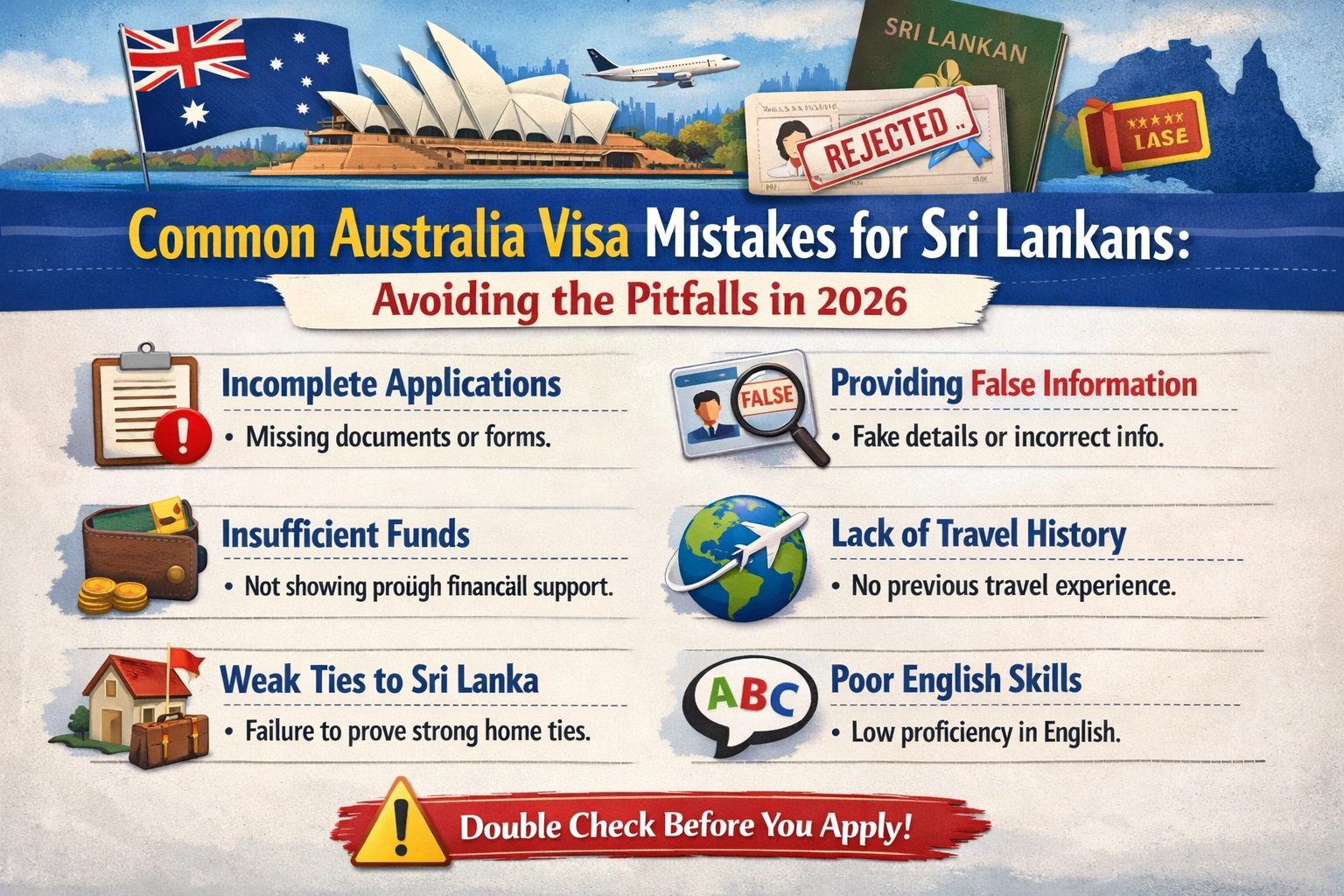
Common Australia Visa Mistakes for Sri Lankans: Avoiding the Pitfalls in 2026
The journey from Sri Lanka to Australia is paved with good intentions but often derailed by small, avoidable errors. In 2026, the Australian Department of Home Affairs (DoHA) has moved toward a "zero-tolerance" digital verification system. A single inconsistency in your employment dates or a "parke...

Australia Credential Recognition: Getting Your Sri Lankan Qualifications Assessed
One of the biggest hurdles for Sri Lankan professionals moving to Australia is "Credential Recognition." You may be a senior engineer in Colombo or a lead developer in Kandy, but to the Australian Department of Home Affairs, your skills don't exist until they are "validated" by an Australian assess...

Australia Partner Visa: The Path to Permanent Residency for Couples
For many Sri Lankans, the journey to Australia isn't just about a career—it's about reuniting with a loved one. Whether you have married an Australian citizen, are in a long-term de facto relationship, or are planning to wed your fiancé(e), the Australian Partner Visa is the specialized pathway des...