Sri Lankan Food Imports
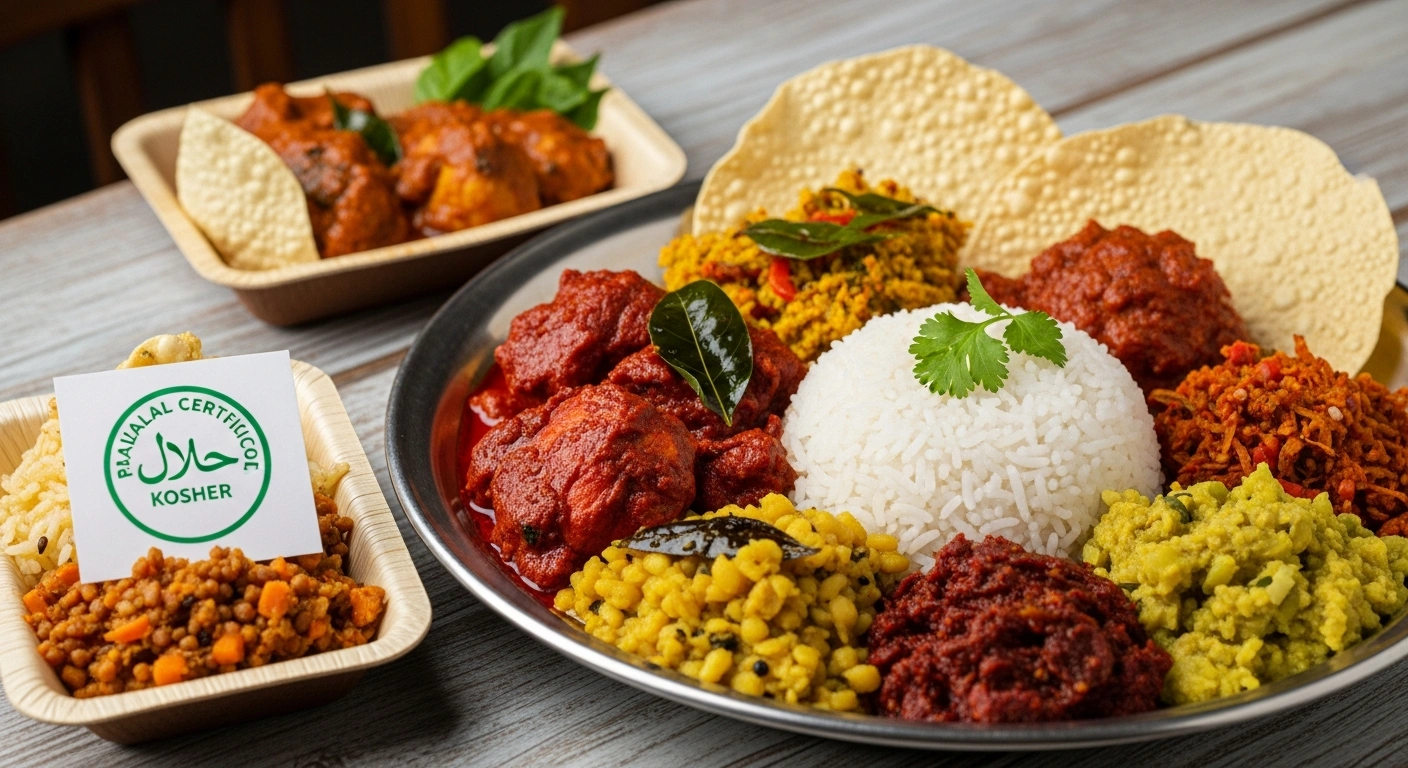
Picture this: you're a UK-based business owner, eager to import Sri Lankan food products to cater to the growing demand for international cuisine. However, you're faced with the daunting task of ensuring your products meet the required halal or kosher certification standards. You're not alone in t...
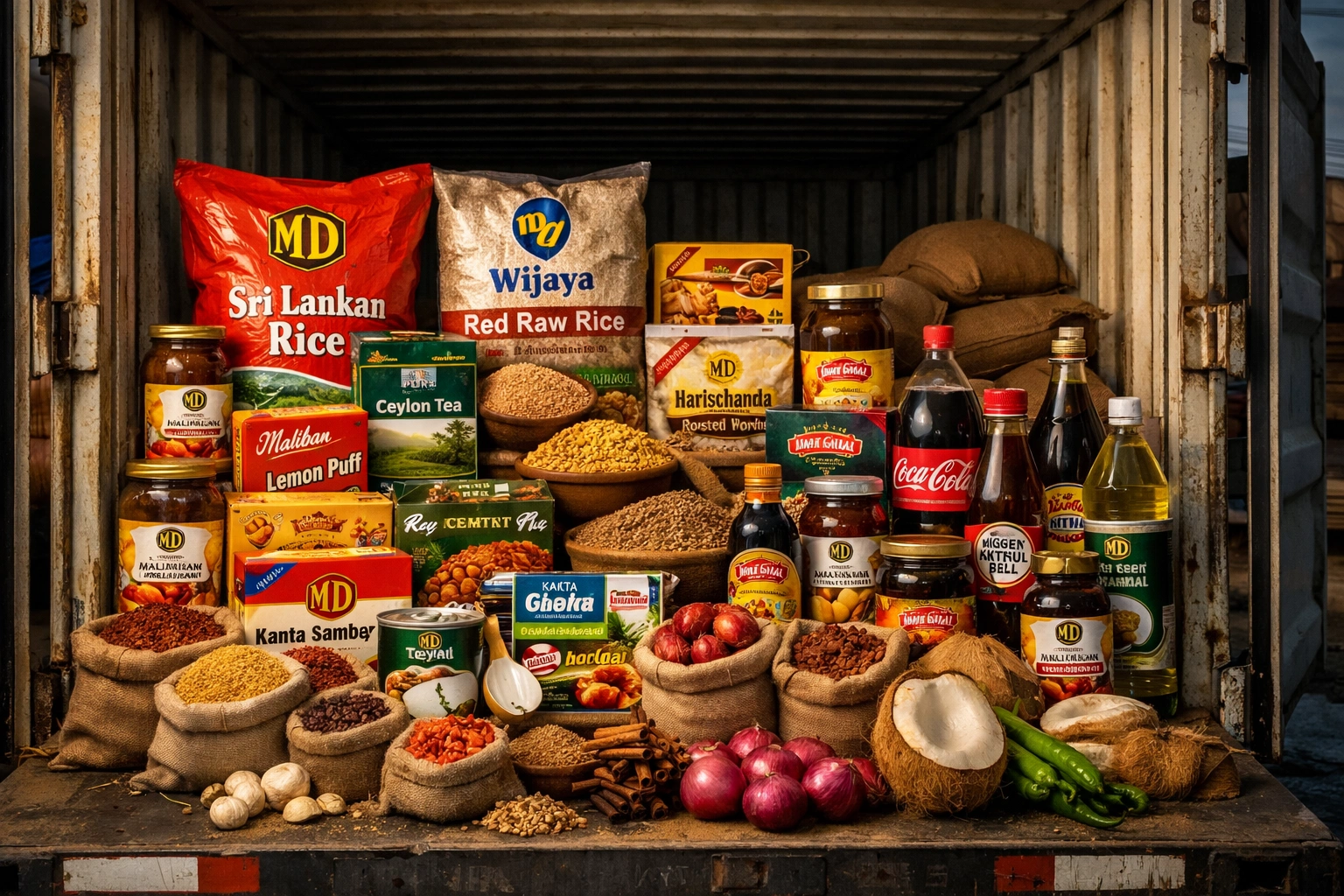
 As a food importer, you're likely no stranger to the challenges of ensuring your products meet the stringent requirements of the UK market. One of the most significant hurdles is obtaining halal certification, a process that can be complex and time-consuming. You may have found yourself wondering how to navigate the intricacies of halal certification, from identifying the right authorities to meeting labeling requirements.
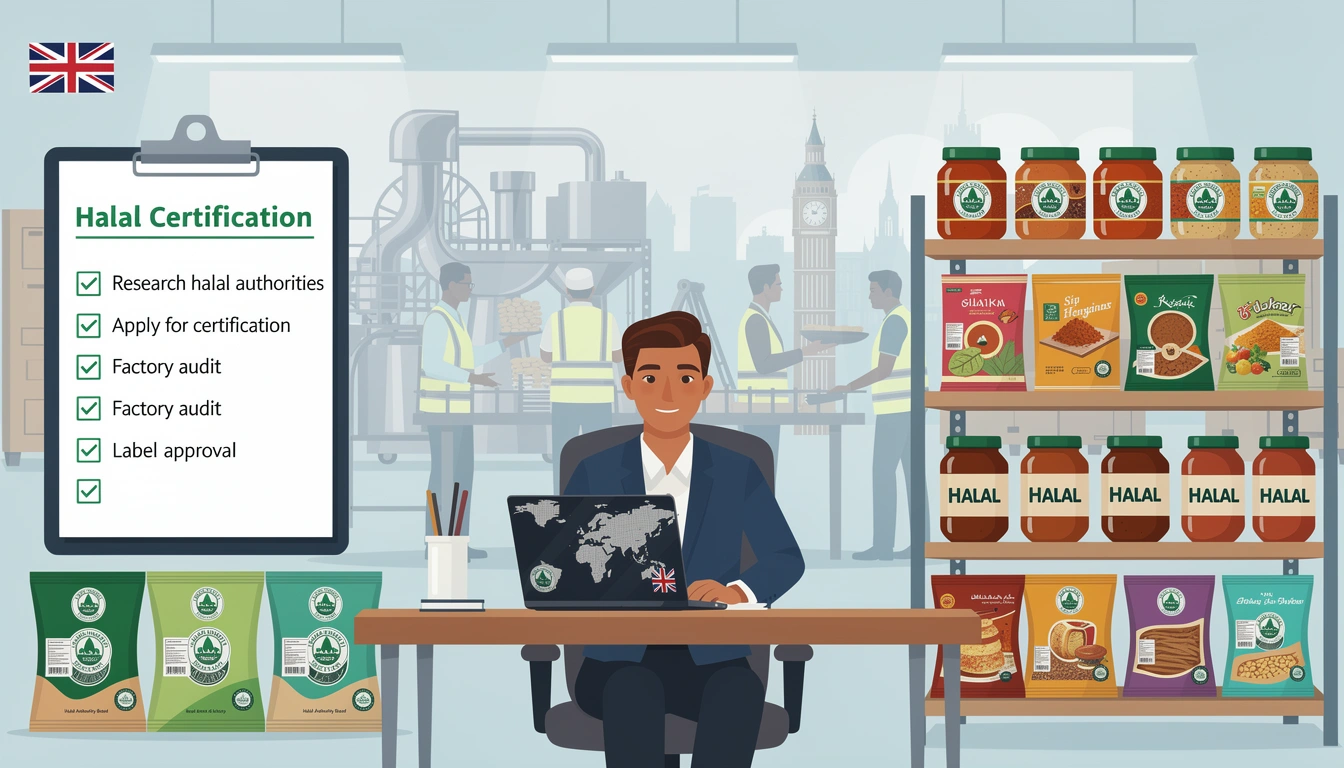
The UK is home to several halal certification authorities, each with its own set of standards and procedures. Some of the most well-established authorities include the Halal Authority Board and the Halal Monitoring Authority. These organizations play a critical role in ensuring that food products meet the necessary halal standards, from sourcing and processing to packaging and distribution. You can work with these authorities to guide you through the certification process, which typically involves a series of audits and inspections to verify compliance with halal regulations.
A key aspect of halal certification is the labeling requirement. In the UK, halal products must be clearly labeled as such, with the relevant certification mark or logo. For example, the Halal Authority Board issues a distinctive logo that must be displayed on all certified products. This not only provides assurance to Muslim consumers but also helps to prevent mislabeling and ensure transparency throughout the supply chain. Consider the case of a Sri Lankan food importer who recently obtained halal certification for their line of spices and sauces. By displaying the Halal Authority Board logo on their packaging, they were able to increase sales and expand their customer base among Muslim consumers in the UK.
By understanding the halal certification process and working with the right authorities, you can ensure that your food products meet the necessary standards and are properly labeled for the UK market. You can take the first step by researching the different certification authorities and their requirements, and then reaching out to them to discuss your specific needs and circumstances. With the right guidance and support, you can successfully navigate the halal certification process and tap into the growing demand for halal products in the UK.
As a food importer, you're likely no stranger to the challenges of ensuring your products meet the stringent requirements of the UK market. One of the most significant hurdles is obtaining halal certification, a process that can be complex and time-consuming. You may have found yourself wondering how to navigate the intricacies of halal certification, from identifying the right authorities to meeting labeling requirements.
The UK is home to several halal certification authorities, each with its own set of standards and procedures. Some of the most well-established authorities include the Halal Authority Board and the Halal Monitoring Authority. These organizations play a critical role in ensuring that food products meet the necessary halal standards, from sourcing and processing to packaging and distribution. You can work with these authorities to guide you through the certification process, which typically involves a series of audits and inspections to verify compliance with halal regulations.
A key aspect of halal certification is the labeling requirement. In the UK, halal products must be clearly labeled as such, with the relevant certification mark or logo. For example, the Halal Authority Board issues a distinctive logo that must be displayed on all certified products. This not only provides assurance to Muslim consumers but also helps to prevent mislabeling and ensure transparency throughout the supply chain. Consider the case of a Sri Lankan food importer who recently obtained halal certification for their line of spices and sauces. By displaying the Halal Authority Board logo on their packaging, they were able to increase sales and expand their customer base among Muslim consumers in the UK.
By understanding the halal certification process and working with the right authorities, you can ensure that your food products meet the necessary standards and are properly labeled for the UK market. You can take the first step by researching the different certification authorities and their requirements, and then reaching out to them to discuss your specific needs and circumstances. With the right guidance and support, you can successfully navigate the halal certification process and tap into the growing demand for halal products in the UK.
Frequently Asked Questions
What is the process for obtaining halal certification in the UK?
The process involves applying to a recognized halal certification authority, providing required documents, and undergoing an audit and inspection
What is the difference between halal and kosher certification?
Halal certification is for Muslim consumers, while kosher certification is for Jewish consumers, and the certification processes and requirements differ
Related Articles

Sri Lankan Freelancing UK
I think one of the biggest misconceptions about self-employment and freelancing in the UK is that it's only for those with a strong network or a lot of capital. But I've seen many Sri Lankans successfully start and run their own businesses here, and I believe you can too. What if I told you that...

Vesak in the UK
As I walked through the streets of London on a sunny May morning, I stumbled upon a vibrant procession of Buddhists making their way to the local temple. The sound of chanting and the aroma of incense filled the air, drawing me in and sparking my curiosity about the significance of this celebratio...

Sri Lankan Temples in UK
I think it's surprising that many people are unaware of the rich Sri Lankan cultural heritage in the UK. Did you know that there are over 30 Sri Lankan temples and cultural centers in London and other major UK cities? This number is quite astonishing, considering the relatively small Sri Lankan di...
British-Sri Lankan Dating
You may be wondering how to balance your own cultural traditions with those of your partner, and how to build a strong, lasting relationship despite potential differences. As someone who is part of this community, you deserve guidance and support to help you thrive in your relationship. With 17%...