Sri Lanka's Recovery "Still Incomplete": What That Means for Ordinary People
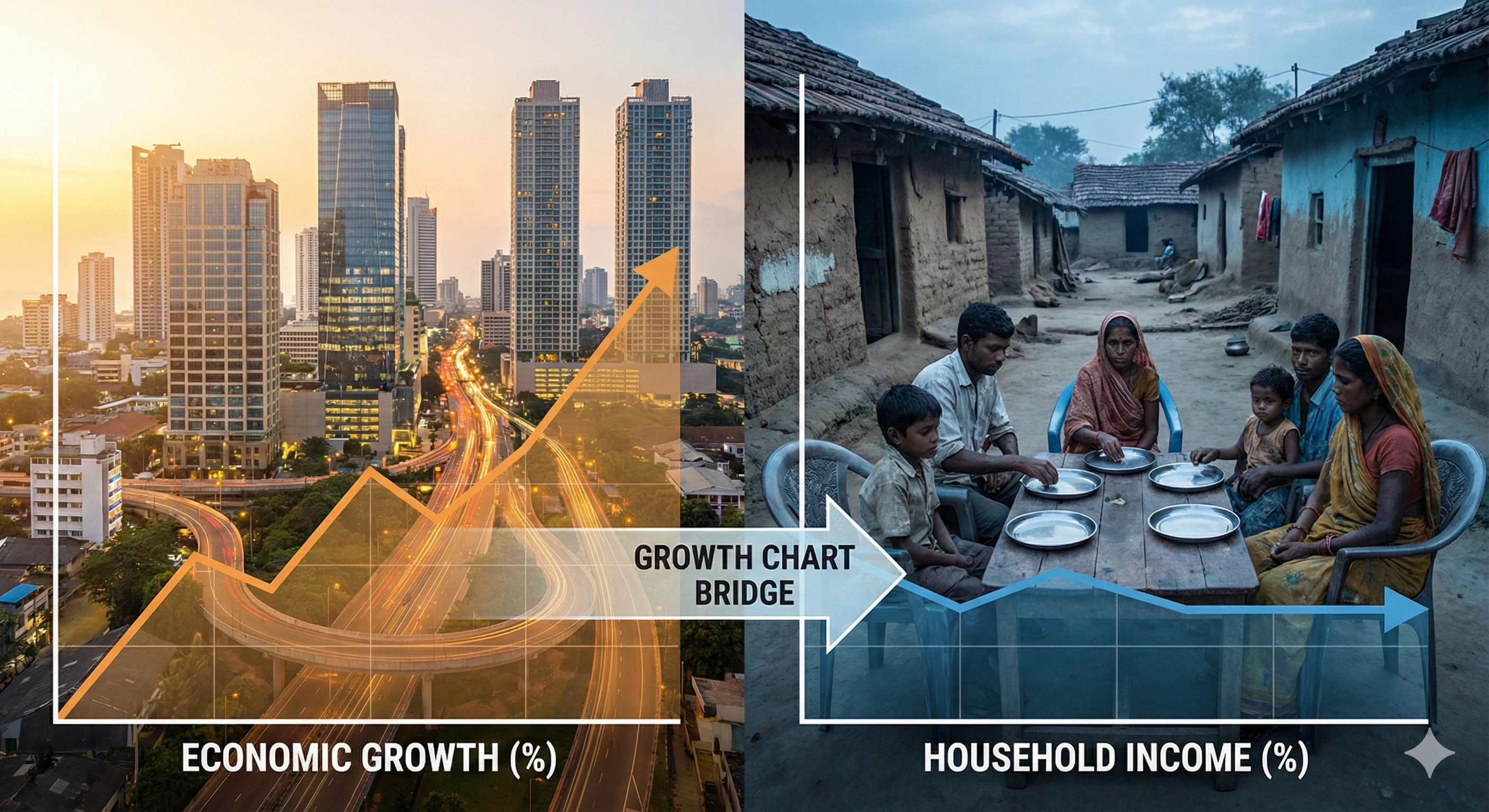
The World Bank characterizes Sri Lanka's post-crisis trajectory as "strong but incomplete," with poverty rates 10% above 2019 levels and 25% of households grappling with food insecurity despite 5.4% Q3 growth. Macro indicators shine—reserves $5.2B, inflation 5.8%, debt stabilizing—but micro-level s...
The World Bank characterizes Sri Lanka's post-crisis trajectory as "strong but incomplete," with poverty rates 10% above 2019 levels and 25% of households grappling with food insecurity despite 5.4% Q3 growth. Macro indicators shine—reserves $5.2B, inflation 5.8%, debt stabilizing—but micro-level stress afflicts urban poor in Colombo slums and rural interiors where Samurdhi reaches only 1.8 million of 4 million eligible.
Agriculture's 2.1% growth fails 4.5 million farmers facing Rs14,500 minimum wages versus Rs25,000 living costs. Health access lags: 30% rural clinics lack doctors post-cyclone. Education dropout rates hit 15% in Northern districts due to transport disruptions.
Safety nets expand via Budget 2026's Rs10,000 transfers, but coverage gaps persist. Revenue targets (16% GDP) must prioritize progressive spending over debt service (35% revenues).
In conclusion, genuine recovery prioritizes household metrics; robust protections ensure macro gains uplift every family, preventing crisis recurrence.
References:
https://www.worldbank.org/en/news/press-release/2025/10/07/sri-lanka-s-economic-recovery-remains-incomplete-as-key-challenges-re
https://www.asiapacific.ca/publication/sri-lanka-economic-recovery-but-challenges-still-ahead
https://www.cbsl.gov.lk/en/sri-lanka-economy-snapshot
Related Articles
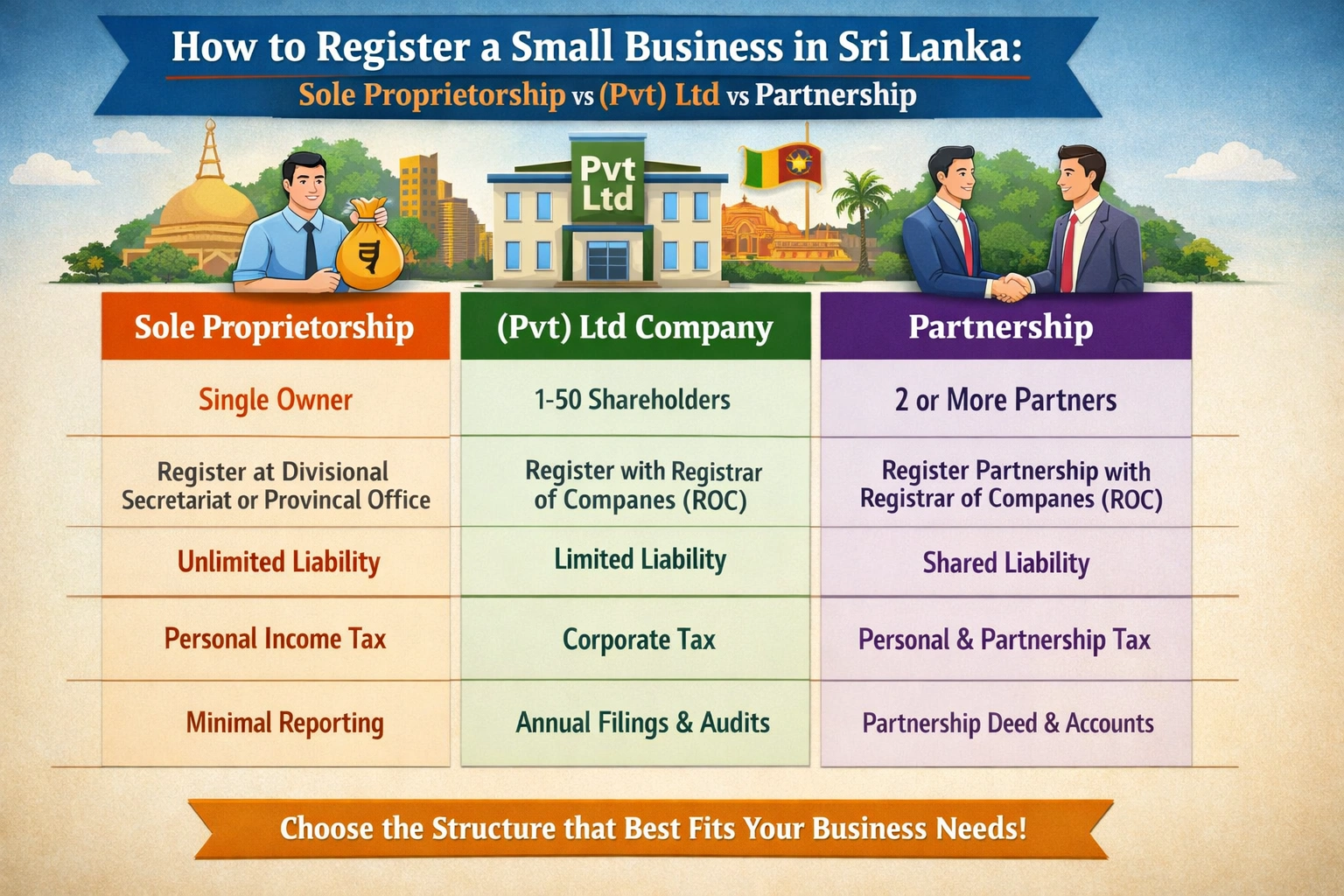
How to register a small business in Sri Lanka: Sole proprietorship vs (Pvt) Ltd vs partnership.
Overview: Choosing the right structure in Sri Lanka In Sri Lanka, most small businesses are set up as a sole proprietorship, partnership, or private limited company ((Pvt) Ltd). The best option for you depends mainly on your risk tolerance, growth plans, tax and compliance burden, and whet...

Emergency Finance and Trade: Shielding Sri Lanka's Export Engine
Cyclone Ditwah threatened Sri Lanka's $12 billion export engine—40% apparel, 15% tea/rubber—but swift multilateral emergency finance preserved vital foreign exchange and 2 million jobs. ADB's $40 million trade guarantees enabled 500 exporters to secure working capital despite $200 million cyclone d...
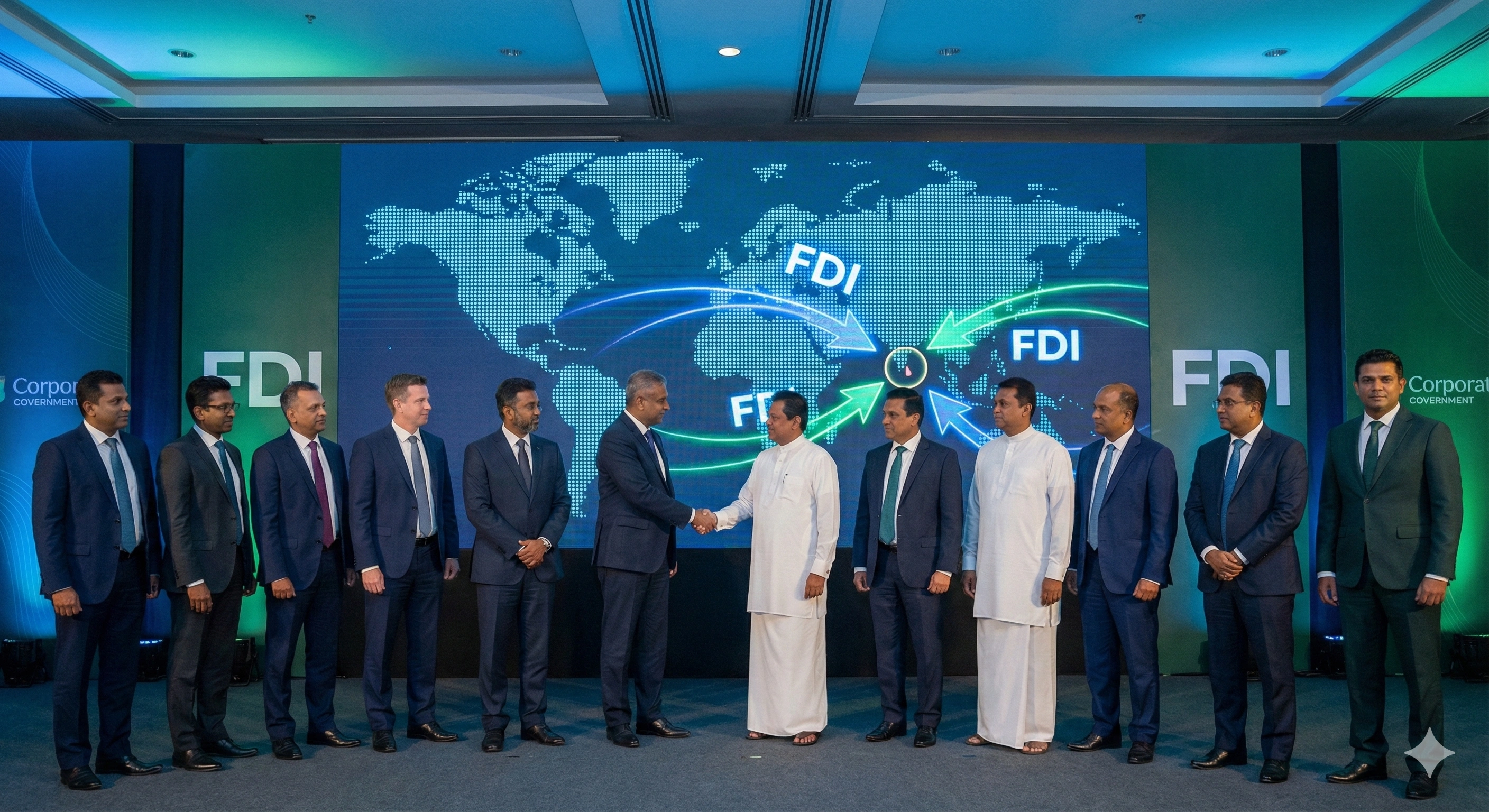
From Stability to Growth: Is Sri Lanka Back on Global Investors' Radar?
International investor sentiment toward Sri Lanka has warmed significantly, with foreign direct investment (FDI) surging 15% to $507 million in January-October 2025, signaling confidence in post-crisis stability and President Dissanayake's reform trajectory. Apparel captured 40% ($200M) via Indian/...
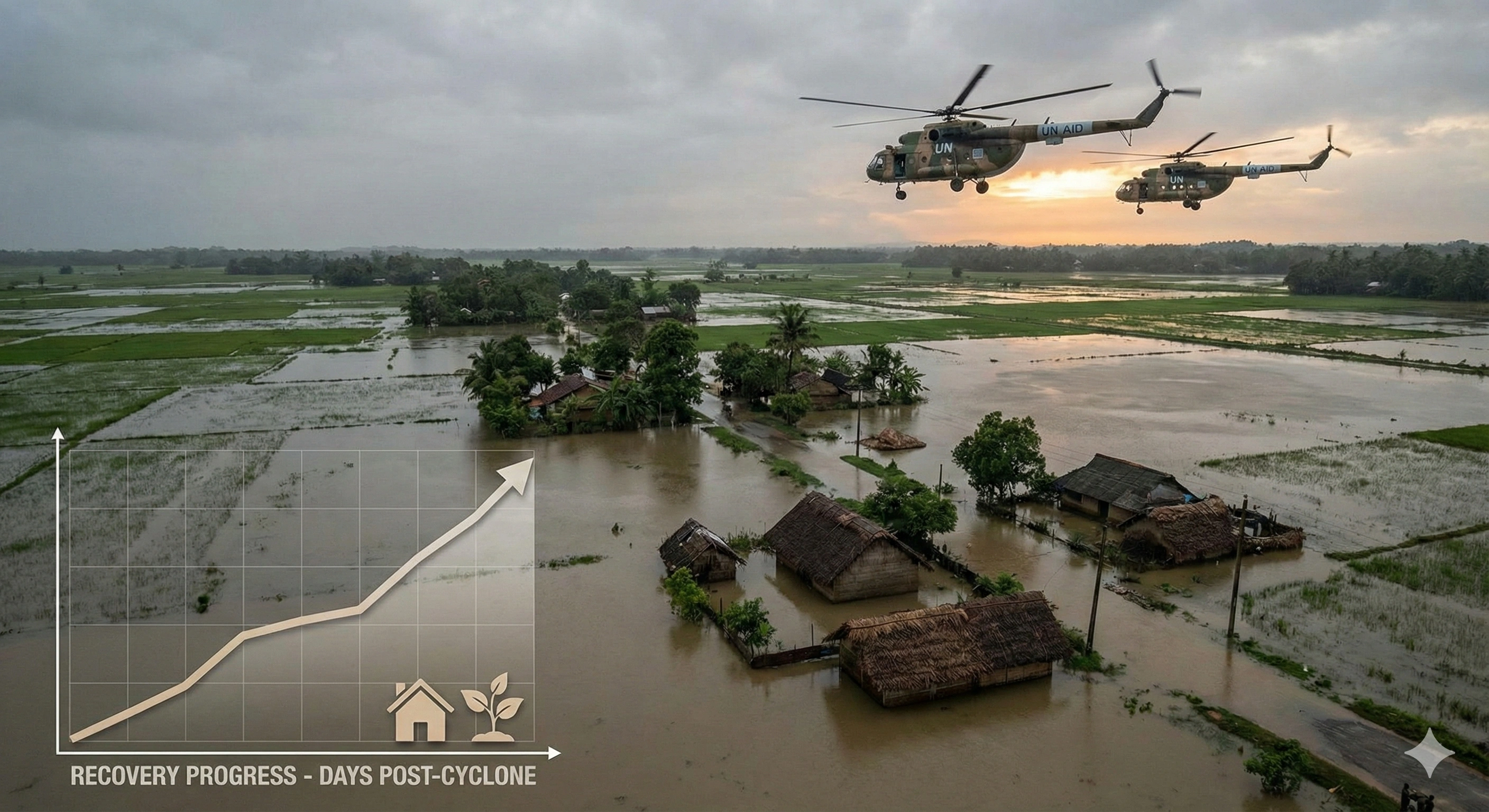
Cyclone Ditwah's $2B Damage to Sri Lanka: Economic Toll and Recovery Path
Cyclone Ditwah struck in early December 2025 with devastating force, inflicting an estimated $2 billion in damages across Sri Lanka's Eastern and Northern Provinces, contracting GDP growth by 0.5-0.7% and displacing over 500,000 people from their homes. The storm's torrential rains flooded 150,000...