The Rising Threat of Ransomware for Small and Medium Businesses
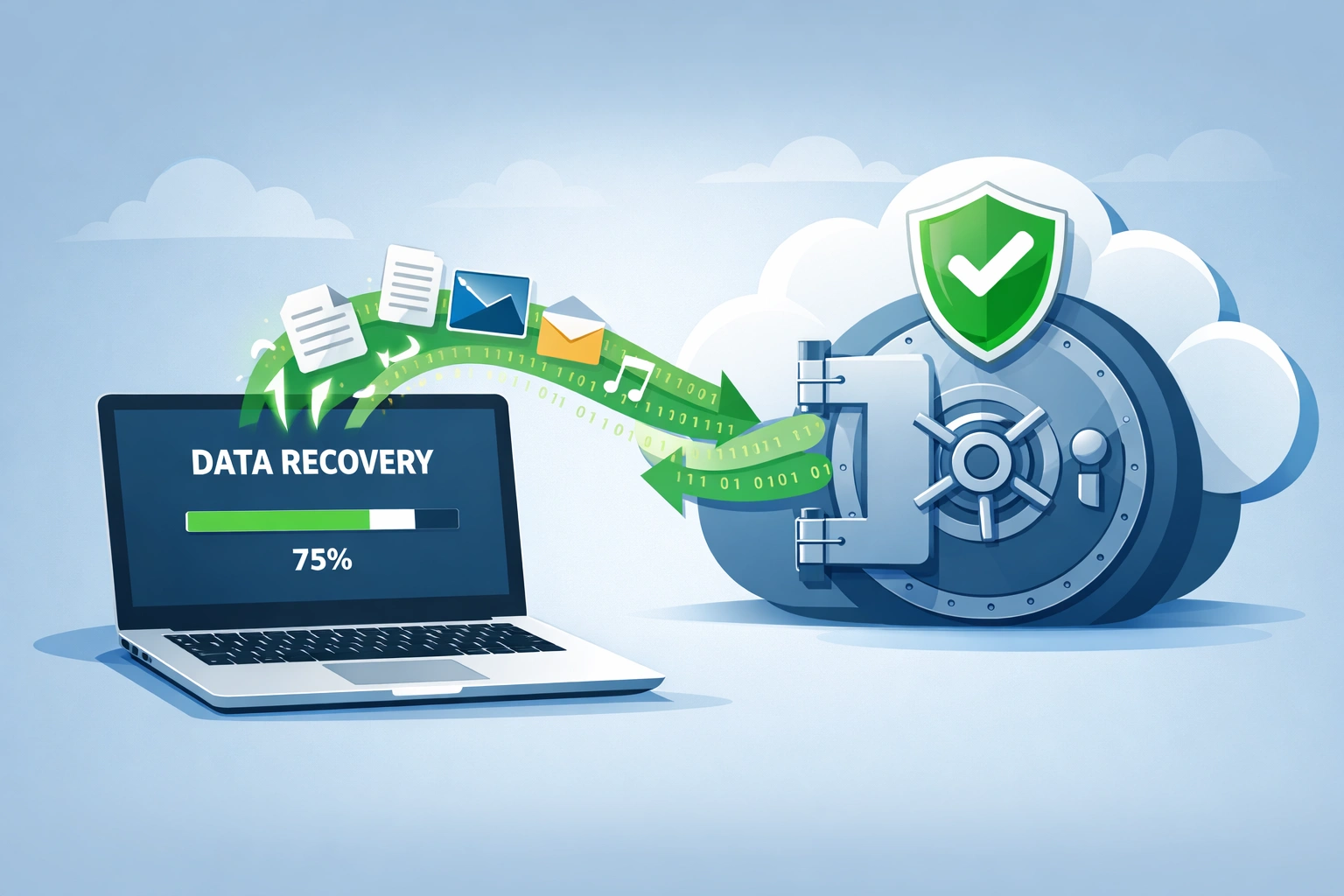
The Rising Threat of Ransomware for Small and Medium Businesses Ransomware has shifted from a problem mainly affecting large corporations to a serious daily risk for small and medium businesses across every industry. Attackers now use automated tools, phishing kits and “Ransomware‑as‑a‑Service”...
The Rising Threat of Ransomware for Small and Medium Businesses
Ransomware has shifted from a problem mainly affecting large corporations to a serious daily risk for small and medium businesses across every industry. Attackers now use automated tools, phishing kits and “Ransomware‑as‑a‑Service” models that make it easy for even low‑skilled criminals to launch devastating attacks. For resource‑constrained companies, a single incident can mean days of downtime, data loss and lasting reputational damage.
How Ransomware Attacks Work Today
Ransomware is malicious software that encrypts your files or locks your systems, then demands payment—typically in cryptocurrency—in exchange for a decryption key. Modern variants have evolved beyond simple encryption to include data theft and extortion.
Key stages of a typical attack:
- Initial access
- Phishing email with malicious attachment or link.
- Compromised remote desktop (RDP) with weak or reused passwords.
- Exploitation of unpatched vulnerabilities in VPNs, firewalls or web apps.
- Lateral movement and discovery
- Once inside, attackers move across systems, escalate privileges and identify valuable servers and file shares.
- Data exfiltration
- Sensitive data (customer records, financial data, IP) is copied out before encryption—creating “double extortion” leverage.
- Encryption and ransom note
- Files are encrypted, backups may also be targeted, and a ransom note appears with payment instructions.
This multi‑stage approach makes prevention and early detection critical.
Why Small and Medium Businesses Are Prime Targets
Many smaller organisations assume they’re too small to be targeted, but attackers often see them as ideal victims.
Common weaknesses:
- Limited IT/security staff and no dedicated security operations centre.
- Infrequent patching and outdated systems (legacy Windows servers, unpatched CMS installations).
- Weak password hygiene and limited use of multi‑factor authentication.
- Inadequate or poorly tested backups.
Attackers increasingly automate scanning for exposed remote desktop services, unpatched software and misconfigured cloud storage, making scale attacks easy.
Core Defences Against Ransomware
A layered defence drastically reduces both the likelihood and impact of ransomware incidents.
1. Patch management and asset visibility
Maintaining an up‑to‑date inventory of all servers, desktops, laptops and key applications is the foundation. Apply security patches regularly, prioritising internet‑facing systems and critical business apps.
Good practices:
- Monthly patch cycles, with emergency patches for high‑risk vulnerabilities.
- Automatic updates where feasible, especially on endpoints and browsers.
- Regular vulnerability scans to identify missing patches.
2. Strong authentication and access control
Compromised credentials are a common entry point.
Implement:
- Multi‑factor authentication (MFA) on email, VPN, remote desktop and admin accounts.
- Unique, strong passwords managed through a password manager.
- Least privilege: users only have access to the data and systems they actually need.
This limits the damage even if one account is breached.
Backups: Your Last Line of Defence
Even with strong controls, no organisation is completely immune. Reliable, tested backups are critical for recovery without paying a ransom.
Backup principles:
- 3‑2‑1 rule: three copies of data, on two different media types, with one copy offline or immutable.
- Separate backup credentials from regular domain accounts to prevent attackers using them.
- Regular restore tests to ensure backups actually work and can meet recovery time objectives.
Cloud backup can help, but ensure versioning and protection against ransomware that targets cloud‑synced folders.
Incident Response: Planning Before an Attack
Having a documented incident response plan reduces chaos and mistakes when an attack happens.
Key elements:
- Clear roles and responsibilities (who leads, who communicates, who handles technical tasks).
- Steps to isolate infected systems quickly (network segmentation, disabling affected accounts).
- External contacts: legal counsel, cyber insurance providers, forensic specialists, law enforcement.
- Decision framework for ransom vs no ransom (ideally informed by legal and law‑enforcement guidance).
Tabletop exercises—simulated incidents—help teams rehearse and refine this plan.
Employee Awareness and Culture
Human error remains a major factor in successful ransomware campaigns. Regular, practical training significantly reduces risk.
Focus on:
- Recognising phishing emails, suspicious attachments and urgent “payment” requests.
- Verifying unusual requests via a second channel (phone, internal chat).
- Reporting suspicious activity early without fear of blame.
Small increments—short, quarterly training sessions—are often more effective than long annual seminars.
When to Seek External Help
Given the complexity of modern ransomware, many SMEs benefit from external security partners for:
- Managed detection and response (MDR).
- Regular security assessments and penetration testing.
- 24/7 monitoring of critical systems and logs.
Choosing a partner with clear incident‑response experience is crucial for real‑world resilience.
Related Articles

Protecting Personal Data and Privacy in a Connected World
Protecting Personal Data and Privacy in a Connected World Every online action—browsing, messaging, shopping—generates data that can be collected, analysed and sometimes misused. High‑profile breaches and invasive tracking have made privacy a central concern for individuals, regulators and busine...
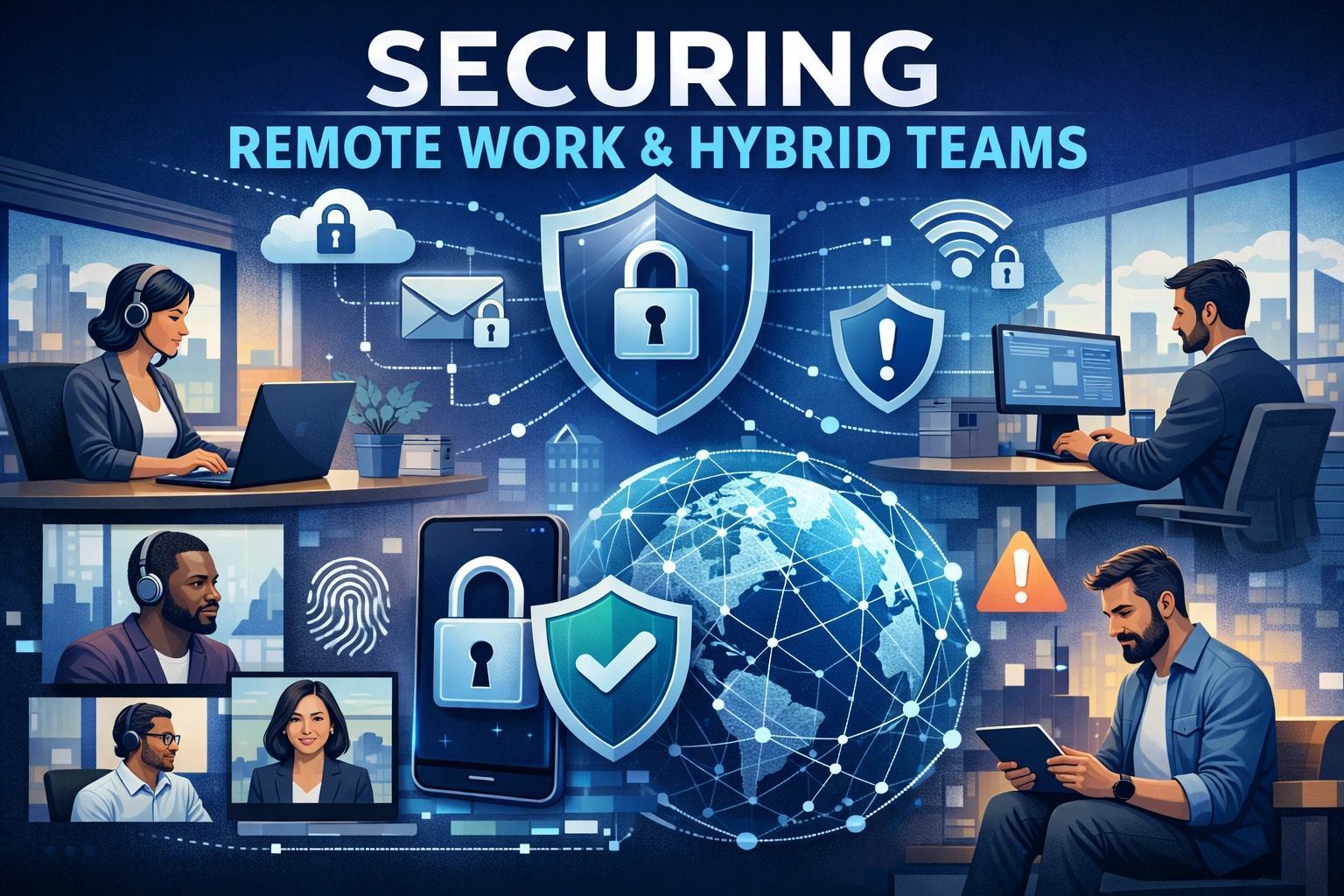
Securing Remote Work and Hybrid Teams
Securing Remote Work and Hybrid Teams The shift to remote and hybrid work created new flexibility for businesses—but also expanded the attack surface dramatically. Employees now access corporate resources from home networks, personal devices and public Wi‑Fi, often using a mix of sanctioned and...
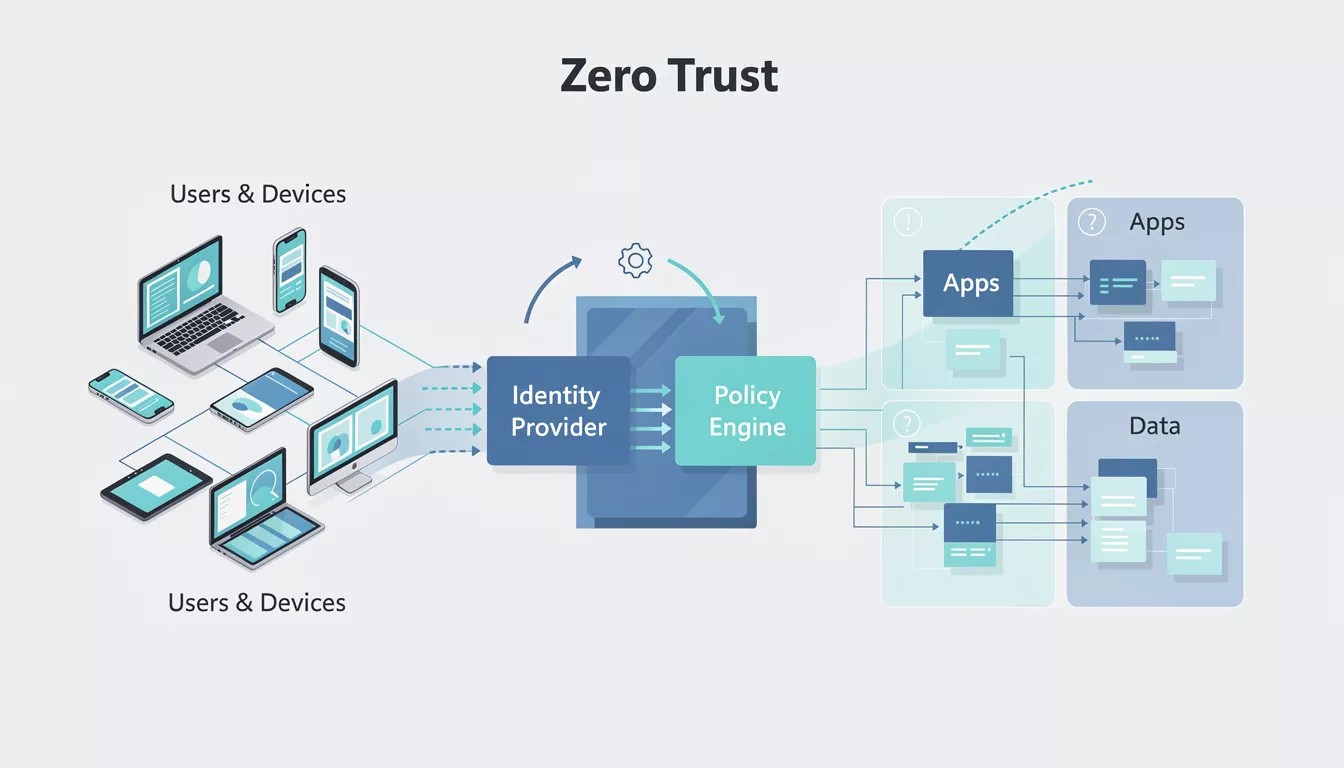
Zero‑Trust Security: Why the Old Perimeter Model Is Dead
Zero‑Trust Security: Why the Old Perimeter Model Is Dead Traditional security models assumed that once a user or device was “inside” the network, it could be trusted. In an era of remote work, cloud services and sophisticated attackers, that assumption is dangerously outdated. Zero‑trust securit...
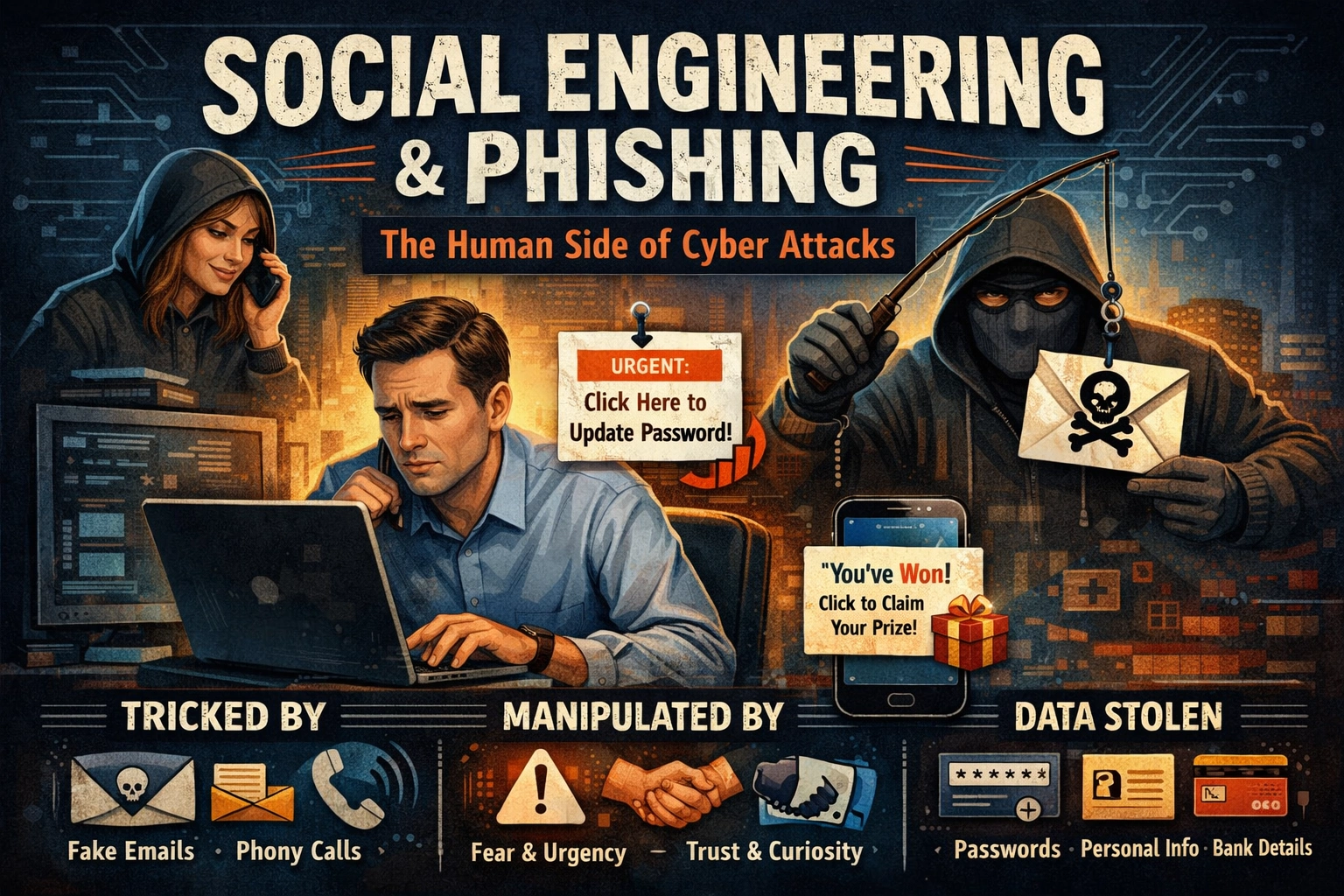
Social Engineering and Phishing: The Human Side of Cyber Attacks
Social Engineering and Phishing: How Cybercriminals Target People, Not Just Systems Most high‑profile cyber attacks involve a human being tricked into doing something against their own interests—clicking a malicious link, sharing a password, or approving an unusual payment. This is the realm of...