How to Choose a School in Sri Lanka: A Parent's Guide
Decoding the Curriculum: Local vs. International Pathways One of the most fundamental decisions you'll make is choosing between the local Sri Lankan curriculum and an international one. This choice shapes your child's entire learning experience, university prospects, and worldview. Understandi...
Decoding the Curriculum: Local vs. International Pathways
One of the most fundamental decisions you'll make is choosing between the local Sri Lankan curriculum and an international one. This choice shapes your child's entire learning experience, university prospects, and worldview. Understanding the core differences is key to finding the right educational fit for your family.
The Local (National) Curriculum
The Sri Lankan National Curriculum, leading to G.C.E. Ordinary Level (O/L) and Advanced Level (A/L) examinations, is the standard in state and many private schools. It offers a deep immersion in national culture, history, and languages (Sinhala or Tamil). This pathway is robust, affordable, and the primary route for entry into Sri Lankan state universities. It provides a structured learning environment that is well-understood across the country, though its traditional focus is often on knowledge retention for examinations.
International Pathways
International schools in Sri Lanka primarily offer globally recognized curricula. The most common are the British systems (Cambridge and Edexcel, leading to IGCSEs and A-Levels) and the International Baccalaureate (IB). Taught in English, these programs emphasize critical thinking, inquiry-based learning, and a global perspective. They are designed to create a seamless transition to higher education anywhere in the world and are often favored by parents seeking a pathway to foreign universities. This flexibility and focus on developing analytical skills typically come at a significantly higher cost.
Which Path is Right for Your Child?
The best curriculum aligns with your child's strengths and your family’s long-term goals. Consider these key questions:
- University Ambitions: Do you envision your child studying in Sri Lanka or overseas?
- Learning Style: Does your child thrive in a structured, exam-focused system or a more exploratory, project-based one?
- Budget: Can your finances comfortably support the higher fees of an international education for the long term?
- Language and Culture: Is an English-medium education a priority, or is a strong foundation in local languages and culture more important?
There is no single "best" option. The right choice depends entirely on which environment will allow your child to flourish academically and personally.
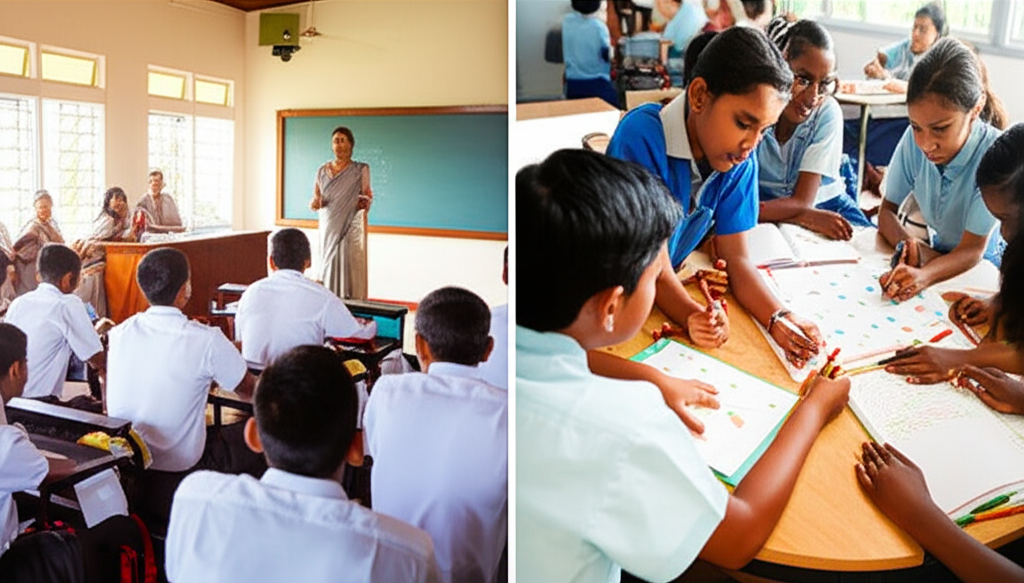
Beyond the Classroom: Assessing Facilities, Culture, and Extracurriculars
While academic rigour is essential, the environment where your child learns, grows, and socialises is just as vital for their development. A truly great school nurtures the whole child. Pay close attention to these non-academic factors that shape the daily school experience.
Physical Facilities and Resources
A campus tour is non-negotiable. Look beyond a pristine appearance and assess the quality and accessibility of key resources. Are the science labs modern and well-equipped? Is the library a welcoming, resource-rich space? For a balanced education, check for quality sports grounds, swimming pools, and dedicated studios for art, music, and drama. Observe if these facilities are actively used and well-maintained, which indicates a genuine investment in student development rather than just marketing.
School Culture and Community
Every school has a unique personality or "feel." Is it a highly competitive, pressure-driven environment, or one that fosters collaboration and well-being? During a visit, observe the interactions between students and teachers. Do they seem respectful, happy, and engaged? Ask about the school’s approach to pastoral care, discipline, and inclusivity. A positive school culture provides a safe, supportive community where children feel they belong, empowering them to thrive both socially and academically.
Extracurricular Activities
A robust extracurricular programme is the hallmark of a holistic education. Look for a diverse range of activities that cater to various interests, from competitive sports like cricket and swimming to creative arts and academic clubs like debate or STEM. The key is not just the number of options available, but their quality. Does the school invest in experienced coaches and proper resources? High student participation is often a strong indicator of a vibrant school life that builds teamwork, leadership, and passion.

The Practical Checklist: Location, Fees, and Daily Logistics
Once you've shortlisted schools based on curriculum and ethos, it's time to examine the practical details that will shape your family's daily life. These factors are often just as important as academic results for ensuring a positive and sustainable school experience.
Location and Commute
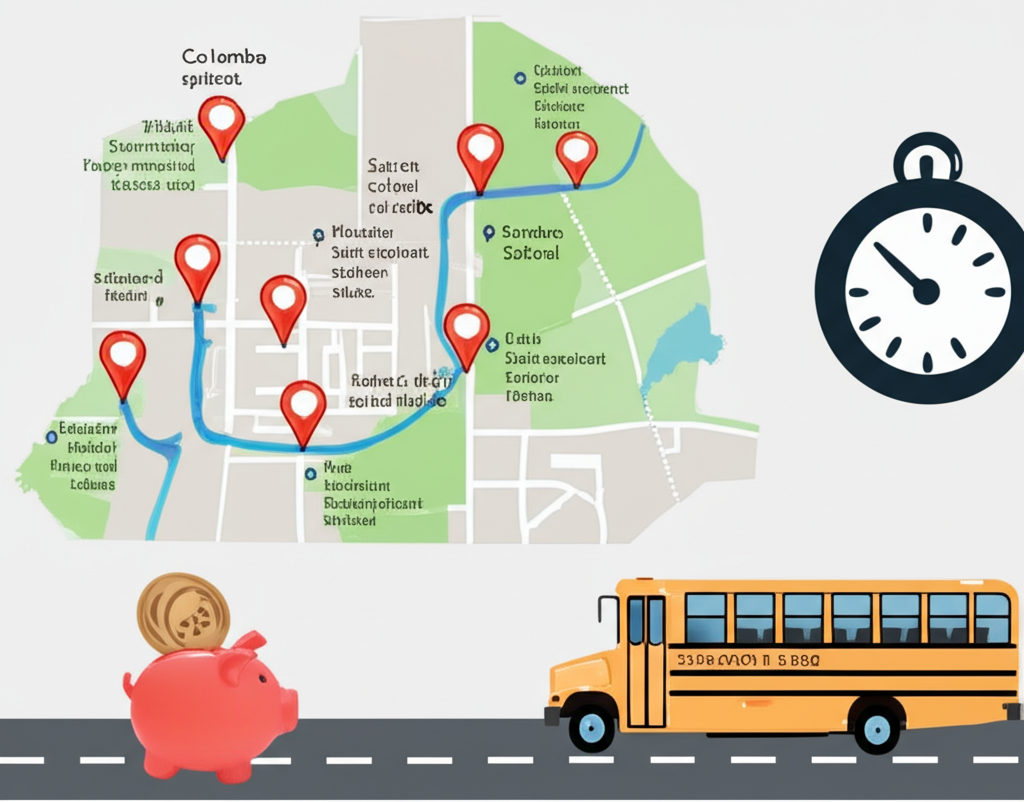
A school's physical location is paramount, especially given the challenging traffic in major cities like Colombo. A long, stressful commute can exhaust a child, impacting their ability to concentrate in class and complete homework.
- Map the Route: Check the distance from your home to the school. More importantly, do a test run during peak morning and afternoon traffic to understand the real travel time.
- Child’s Well-being: Consider how a long journey will affect your child's energy levels, sleep schedule, and time for extracurricular activities or simple play.
- Accessibility: Is the school easily accessible? Consider road conditions, especially during monsoon season.
Understanding the Full Cost: Fees and Beyond
The advertised tuition fee is only part of the financial picture. To budget effectively and avoid surprises, you must inquire about all potential costs. Always request a comprehensive fee schedule from the admissions office.
- One-Time Payments: Look for non-refundable registration fees, admission charges, and refundable security deposits.
- Annual Charges: Ask about building or development levies, technology fees, and charges for textbooks or lab resources.
- Variable Costs: Factor in expenses for uniforms, school supplies, exam fees (especially for international boards like Cambridge or Edexcel), extracurricular clubs, sports, and school trips.
Daily Logistics and Support Systems
The day-to-day practicalities can make or break your school choice. A school that aligns with your family’s routine will reduce daily stress for everyone.
- Transportation: Does the school offer a safe and reliable bus service? If you plan to drive, is there adequate and safe parking for drop-off and pick-up?
- School Hours: Do the start and finish times work with your professional commitments?
- After-School Care: For working parents, the availability of an after-school program is crucial. Check the hours, activities offered, and additional costs.
- Lunch: Does the school have a canteen with healthy and affordable meal options, or will you need to prepare a packed lunch daily?
Long-Term Vision: University Placements and Alumni Success
Choosing a school is an investment in your child’s entire future, not just their primary or secondary education. While curriculum and facilities are vital, a forward-thinking parent should also consider the school's track record in preparing students for life after graduation. A school’s true value is often reflected in the success of its alumni and its ability to open doors to higher education.
Evaluating University Placements
A key indicator of a school's academic strength is its university placement record. Look for schools that consistently send graduates to reputable local and international universities. A strong institution will not only celebrate placements at top-tier universities like those in the Ivy League or Russell Group but will also demonstrate success in guiding students to a wide range of institutions that best fit their unique aspirations.
Effective schools provide dedicated university counselling services. These counsellors guide students through the complex application processes, help prepare them for entrance exams, and assist in securing scholarships. The diversity of courses and countries represented in their placement lists reveals a school's commitment to nurturing individual talents, whether in STEM, humanities, or the arts.
The Power of an Alumni Network
A school's community extends far beyond its current students. A vibrant, engaged, and successful alumni network is one of the most powerful resources a school can offer. These networks provide invaluable mentorship, career guidance, internship opportunities, and professional connections for young graduates entering the workforce. The achievements of a school's alumni in various fields are a testament to the strong educational and ethical foundation it provides.
When you evaluate a school, ask about its long-term outcomes:
- Where have your recent graduates been accepted for university?
- What support do you offer for university applications and scholarships?
- How does the school foster connections between current students and successful alumni?
By focusing on these long-term metrics, you choose an institution that doesn't just educate but actively builds a pathway to a successful future.

References
- Ministry of Education Sri Lanka
- International Schools Database - Sri Lanka
- Expat Arrivals: Education and Schools in Sri Lanka
- British Council Sri Lanka - Information on UK Curricula (Cambridge & Edexcel)
- International Baccalaureate Organization - Find an IB School
- The Overseas School of Colombo (Example of an IB World School)
- The British School in Colombo (Example of a British Curriculum School)
- Daily FT: "International schools: The good, the bad and the ugly"
Related Articles
Grade 5, O/L & A/L Exam Guide Sri Lanka: Subject-wise Tips & Strategies
Conquering the Grade 5 Scholarship Exam: A Foundation for Success The Grade 5 Scholarship Examination is often the first significant academic challenge for Sri Lankan students. While the immediate goal may be a placement in a popular school, its true value lies in building a strong foundation...
Best O/L & A/L Tuition Classes & Online Platforms in Sri Lanka (2024)
Top-Rated Physical Tuition Classes in Major Cities While online learning offers unmatched flexibility, traditional physical tuition classes remain a popular choice for students seeking a structured, disciplined, and interactive environment. These centers provide direct access to renowned educators...
The Parent's Guide to Balancing Academics, Sports & Mental Health
Building the Foundation: Communication and Setting Priorities Before you can effectively balance the demands of tuition, sports schedules, and your child’s well-being, you must first build a solid foundation. This foundation isn't made of spreadsheets or calendars; it's built on open communicati...
Scholarships for Sri Lankan Students: Your Guide to Local & Foreign Funding
Local Scholarships and Bursaries in Sri Lanka For students pursuing higher education within Sri Lanka, a robust network of local scholarships and bursaries is available to provide essential financial support. These opportunities are offered by government bodies, state universities, and various p...