Vegetarian Diet Benefits
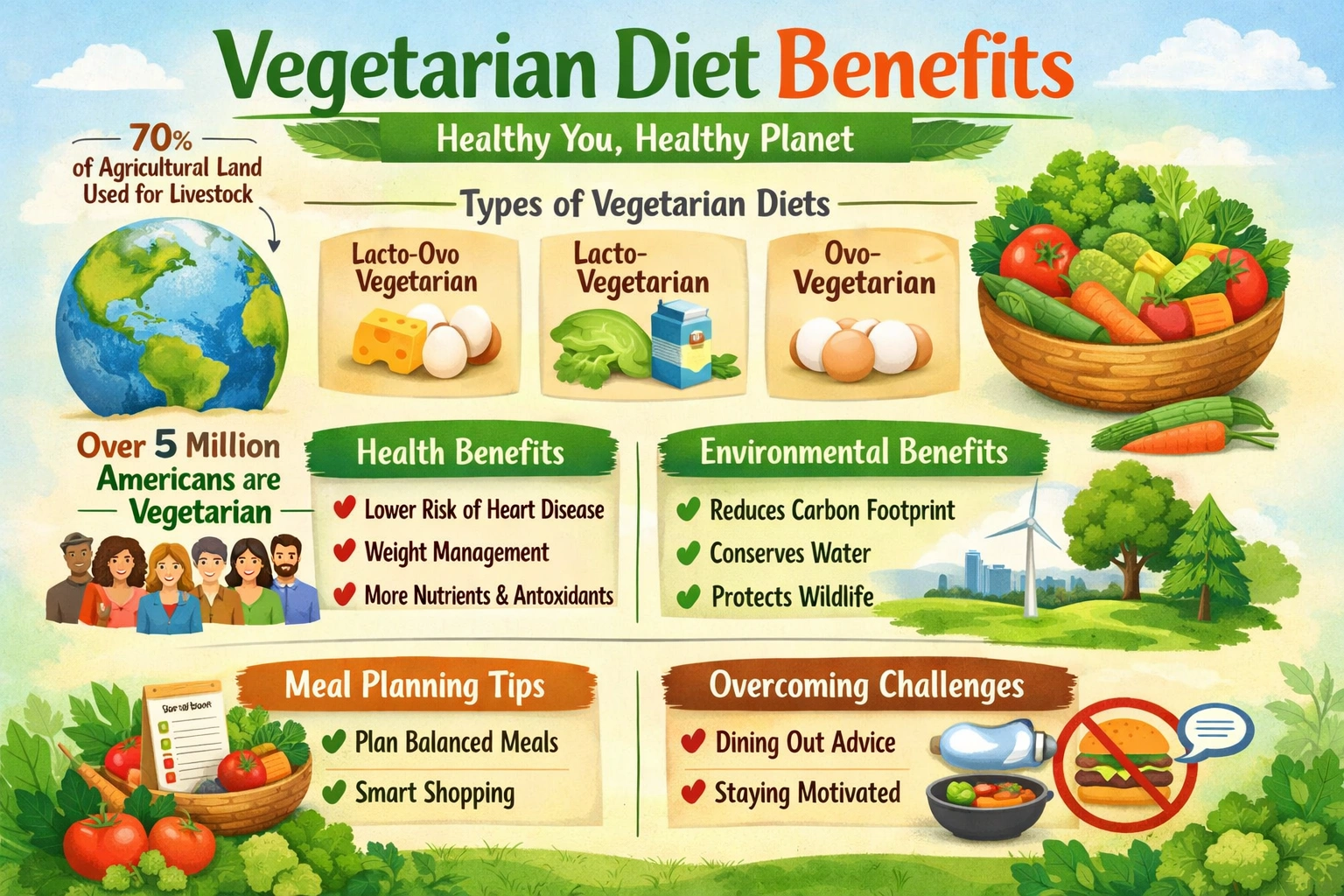
A staggering 70% of the world's agricultural land is dedicated to raising livestock, yet a significant body of research suggests that adopting a vegetarian diet can have a profound impact on both your health and the environment. If you're considering making the switch to a vegetarian lifestyle, yo...
Introduction to Vegetarian Diets
A vegetarian diet is one that excludes meat, fish, and poultry, and is instead focused on plant-based foods such as fruits, vegetables, whole grains, and legumes. There are several types of vegetarian diets, each with its own unique characteristics and benefits. A lacto-ovo-vegetarian diet, for example, includes dairy products and eggs, while a lacto-vegetarian diet includes dairy products but excludes eggs. An ovo-vegetarian diet, on the other hand, includes eggs but excludes dairy products. Understanding the different types of vegetarian diets can help you make an informed decision about which one is right for you. According to a study published in the Journal of the American Osteopathic Association, a well-planned vegetarian diet can provide all the necessary nutrients for optimal health. The study found that vegetarians tend to have lower rates of obesity, heart disease, and certain types of cancer, and that a vegetarian diet can be an effective way to manage weight and improve overall health. With the right planning and preparation, a vegetarian diet can be a healthy and rewarding choice for individuals of all ages and backgrounds. A lacto-ovo-vegetarian diet, which includes dairy products and eggs, can be a great option for those who are looking for a flexible and varied diet. This type of diet can include a wide range of foods, such as milk, cheese, eggs, and honey, in addition to plant-based foods like fruits, vegetables, and whole grains. A lacto-vegetarian diet, on the other hand, excludes eggs but includes dairy products, and can be a good choice for those who are looking for a diet that is high in calcium and protein. An ovo-vegetarian diet, which includes eggs but excludes dairy products, can be a good option for those who are looking for a diet that is high in protein and low in saturated fat.Health Benefits of a Vegetarian Diet
A vegetarian diet has been shown to have numerous health benefits, including a reduced risk of heart disease, lower blood pressure, and improved digestion. According to the American Heart Association, a vegetarian diet can help to lower cholesterol levels and reduce the risk of heart disease by up to 30%. A study published in the Journal of the American College of Cardiology found that vegetarians tend to have lower rates of heart disease and stroke, and that a vegetarian diet can be an effective way to manage blood pressure and cholesterol levels. In addition to its cardiovascular benefits, a vegetarian diet has also been shown to have a positive impact on digestion. A study published in the Journal of Clinical Gastroenterology found that a vegetarian diet can help to improve symptoms of irritable bowel syndrome, and that a high-fiber diet can help to promote regular bowel movements and prevent constipation. With its emphasis on plant-based foods, a vegetarian diet can be a great way to promote healthy digestion and reduce the risk of chronic diseases. According to the National Institutes of Health, a vegetarian diet can also help to reduce the risk of certain types of cancer, including colon, breast, and prostate cancer. A study published in the Journal of the National Cancer Institute found that vegetarians tend to have lower rates of cancer, and that a vegetarian diet can be an effective way to reduce the risk of cancer and promote overall health. With its numerous health benefits and emphasis on plant-based foods, a vegetarian diet can be a great choice for individuals of all ages and backgrounds.Environmental Benefits of a Vegetarian Diet
A vegetarian diet can have a significant impact on the environment, with reduced greenhouse gas emissions, conservation of water, and reduced deforestation. According to the United Nations Food and Agriculture Organization, animal agriculture is responsible for around 14.5% of global greenhouse gas emissions, and that a vegetarian diet can help to reduce emissions by up to 50%. A study published in the Journal of Environmental Science and Health found that a vegetarian diet can help to conserve water, with animal agriculture requiring significantly more water than plant-based agriculture. In addition to its impact on greenhouse gas emissions and water conservation, a vegetarian diet can also help to reduce deforestation. According to the World Wildlife Fund, animal agriculture is a leading cause of deforestation, with millions of acres of forest being cleared each year to make way for livestock grazing and feed crop production. By choosing a vegetarian diet, individuals can help to reduce the demand for animal products and promote sustainable agriculture practices. A vegetarian diet can also help to reduce pollution and promote sustainable agriculture practices. According to the Environmental Protection Agency, animal agriculture is a significant source of water pollution, with manure and fertilizers from animal agriculture contributing to the degradation of water quality. By choosing a vegetarian diet, individuals can help to reduce the demand for animal products and promote sustainable agriculture practices that prioritize soil health, biodiversity, and ecosystem services.Nutritional Considerations for a Vegetarian Diet
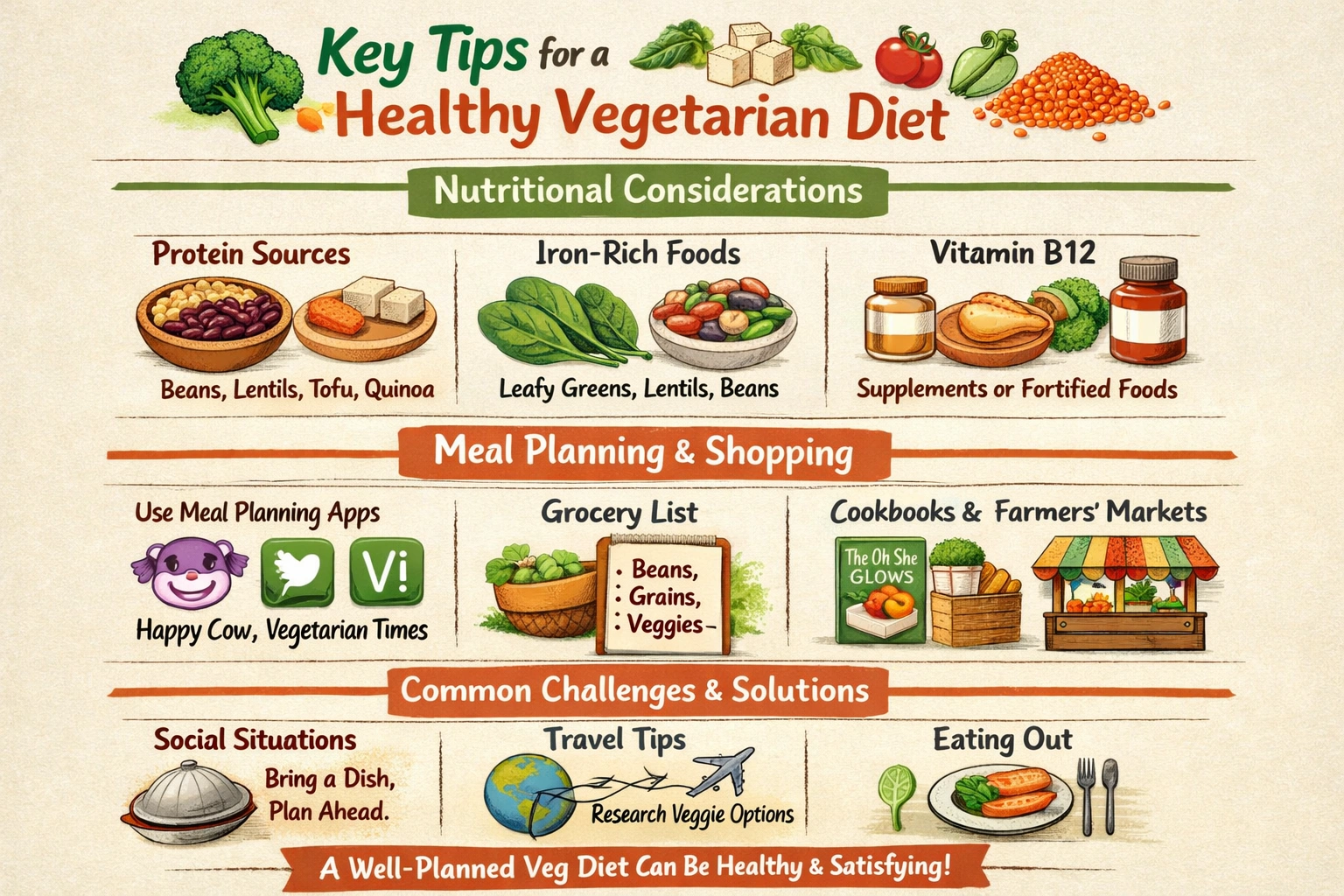 A well-planned vegetarian diet can provide all the necessary nutrients for optimal health, but it's essential to pay attention to certain nutritional considerations. One of the most important considerations is protein intake, with vegetarians needing to ensure they are getting enough protein from plant-based sources such as beans, lentils, and tofu. According to the Academy of Nutrition and Dietetics, vegetarians can get all the protein they need from plant-based sources, but it's critical to vary protein sources to ensure adequate intake.
In addition to protein, iron intake is also an important consideration for vegetarians. Iron is found in lower levels in plant-based foods than in animal products, and vegetarians may need to pay special attention to iron intake to avoid deficiency. According to the National Institutes of Health, iron deficiency is a common nutritional disorder, and vegetarians can help to prevent deficiency by consuming iron-rich plant-based foods such as beans, lentils, and dark leafy greens.
Vitamin B12 is another important nutrient that vegetarians need to pay attention to, as it is found primarily in animal products. According to the American Journal of Clinical Nutrition, vegetarians may need to consider taking vitamin B12 supplements or consuming fortified foods to ensure adequate intake. With a little planning and attention to nutritional considerations, a vegetarian diet can be a healthy and rewarding choice for individuals of all ages and backgrounds.
A well-planned vegetarian diet can provide all the necessary nutrients for optimal health, but it's essential to pay attention to certain nutritional considerations. One of the most important considerations is protein intake, with vegetarians needing to ensure they are getting enough protein from plant-based sources such as beans, lentils, and tofu. According to the Academy of Nutrition and Dietetics, vegetarians can get all the protein they need from plant-based sources, but it's critical to vary protein sources to ensure adequate intake.
In addition to protein, iron intake is also an important consideration for vegetarians. Iron is found in lower levels in plant-based foods than in animal products, and vegetarians may need to pay special attention to iron intake to avoid deficiency. According to the National Institutes of Health, iron deficiency is a common nutritional disorder, and vegetarians can help to prevent deficiency by consuming iron-rich plant-based foods such as beans, lentils, and dark leafy greens.
Vitamin B12 is another important nutrient that vegetarians need to pay attention to, as it is found primarily in animal products. According to the American Journal of Clinical Nutrition, vegetarians may need to consider taking vitamin B12 supplements or consuming fortified foods to ensure adequate intake. With a little planning and attention to nutritional considerations, a vegetarian diet can be a healthy and rewarding choice for individuals of all ages and backgrounds.
Meal Planning and Grocery Shopping for a Vegetarian Diet
Meal planning and grocery shopping can be a challenge for vegetarians, but there are many resources available to make the process easier. Meal planning apps such as Happy Cow and Vegetarian Times can help vegetarians plan and organize meals, and provide access to a wide range of recipes and cooking tips. Grocery shopping lists can also be a helpful tool, with many vegetarians finding it helpful to make a list of staples such as beans, grains, and vegetables to ensure they have a well-stocked pantry. Vegetarian cookbooks can also be a great resource for meal planning and inspiration, with many cookbooks providing a wide range of recipes and cooking tips. According to the Vegetarian Resource Group, some of the best vegetarian cookbooks include The Oh She Glows Cookbook and The Plant Paradox, which provide a wide range of recipes and cooking tips for vegetarians of all levels. With a little planning and creativity, meal planning and grocery shopping can be a fun and rewarding experience for vegetarians. In addition to meal planning apps and cookbooks, many vegetarians also find it helpful to shop at specialty stores or farmers' markets to access a wide range of plant-based foods. According to the United States Department of Agriculture, farmers' markets can be a great way to support local agriculture and access fresh, seasonal produce, and many vegetarians find it helpful to shop at farmers' markets to get inspiration for meals and access to a wide range of plant-based foods.Common Challenges and Solutions for a Vegetarian Diet
While a vegetarian diet can be a healthy and rewarding choice, there are some common challenges that vegetarians may face. One of the most common challenges is social situations, with many vegetarians finding it difficult to navigate social situations where food is involved. According to the Vegetarian Resource Group, one of the best ways to navigate social situations is to plan ahead, with many vegetarians finding it helpful to bring a dish to share or to research vegetarian options in advance. Traveling can also be a challenge for vegetarians, with many finding it difficult to access vegetarian options when traveling. According to the Happy Cow app, one of the best ways to navigate traveling as a vegetarian is to research vegetarian options in advance, with many cities and towns having a wide range of vegetarian restaurants and cafes. Eating out can also be a challenge, but many restaurants now offer vegetarian options, and many vegetarians find it helpful to ask their server for recommendations or to research vegetarian options in advance. Despite these challenges, many vegetarians find that the benefits of a vegetarian diet far outweigh the challenges. According to the American Heart Association, a well-planned vegetarian diet can provide all the necessary nutrients for optimal health, and can help to reduce the risk of chronic diseases such as heart disease and diabetes. With a little planning and creativity, a vegetarian diet can be a healthy and rewarding choice for individuals of all ages and backgrounds.Key Takeaways
In conclusion, a vegetarian diet can be a healthy and rewarding choice for individuals of all ages and backgrounds. With its emphasis on plant-based foods, a vegetarian diet can help to promote healthy digestion, reduce the risk of chronic diseases, and promote sustainable agriculture practices. By understanding the different types of vegetarian diets, the health benefits they offer, and the environmental advantages they provide, individuals can make an informed decision about whether a vegetarian lifestyle is right for them. As you consider making the switch to a vegetarian diet, remember to plan ahead, stay organized, and don't be afraid to ask for help or advice along the way. What will you do today to start your journey towards a healthier, more sustainable lifestyle?Frequently Asked Questions
What are the benefits of a vegetarian diet?
A vegetarian diet can provide numerous health benefits, including reduced risk of heart disease, lower blood pressure, and improved digestion
How do I get enough protein on a vegetarian diet?
You can get enough protein on a vegetarian diet by consuming a variety of plant-based protein sources, such as legumes, beans, and tofu
Related Articles
Fitness Vacation Packages 2026
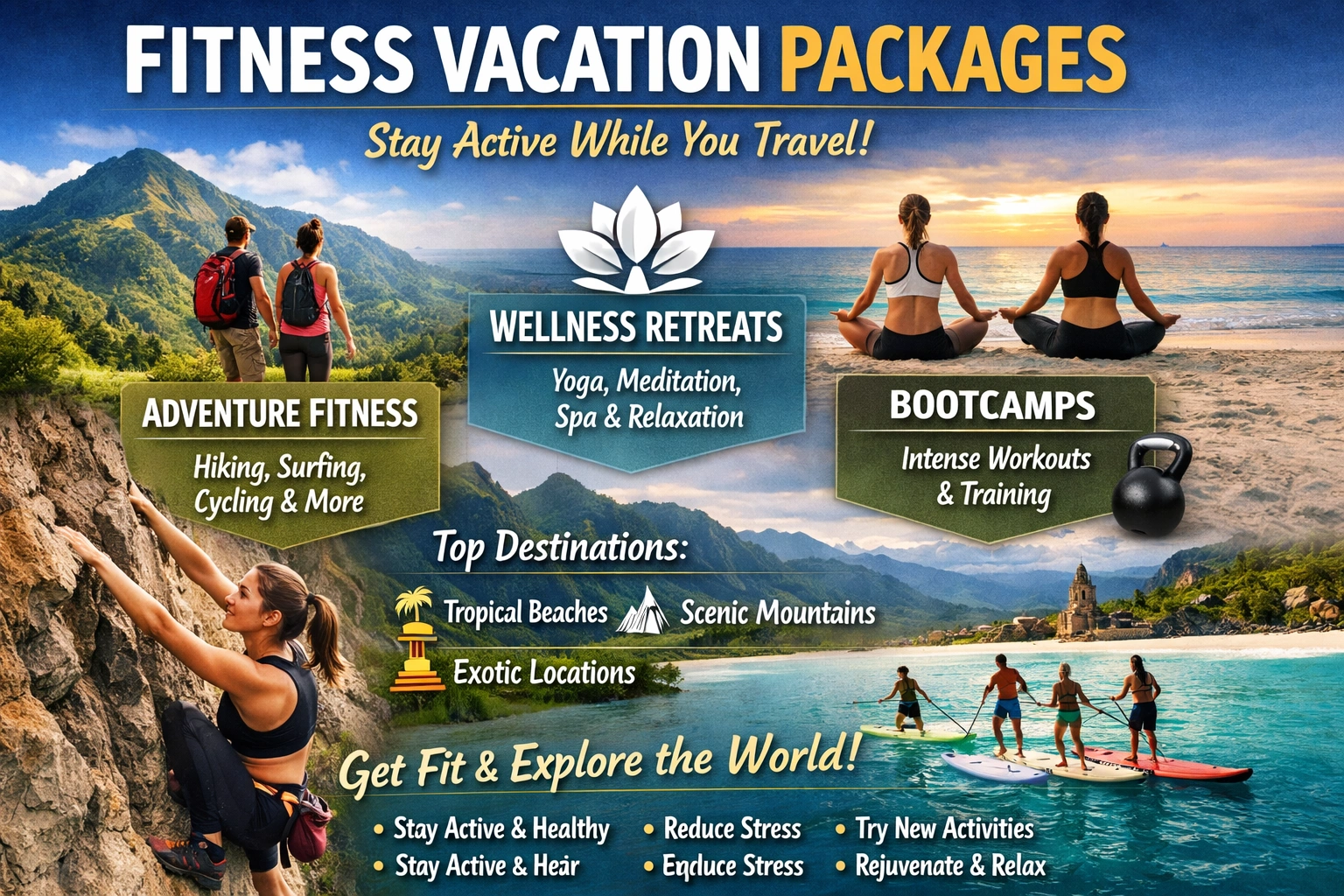
As you consider your next vacation, you may be thinking about how to balance relaxation with your fitness goals. You're not alone - many travelers are now seeking out fitness vacation packages that combine physical activity with travel and exploration. By choosing a fitness vacation package, you c...

Boutique Fitness Classes Worldwide
As you consider your fitness options, you may be wondering what sets boutique fitness classes apart from traditional gym workouts. With their unique blend of expert instruction, small class sizes, and innovative approaches, boutique fitness classes offer a distinct experience that can help you ach...
Yoga Retreats Near Me
As you search for "yoga retreats near me," you're likely seeking a transformative experience that combines physical practice, mental relaxation, and spiritual growth. You may have heard that yoga retreats are only for experienced yogis or that they're too expensive, but these misconceptions couldn'...
How to Lose Weight Naturally
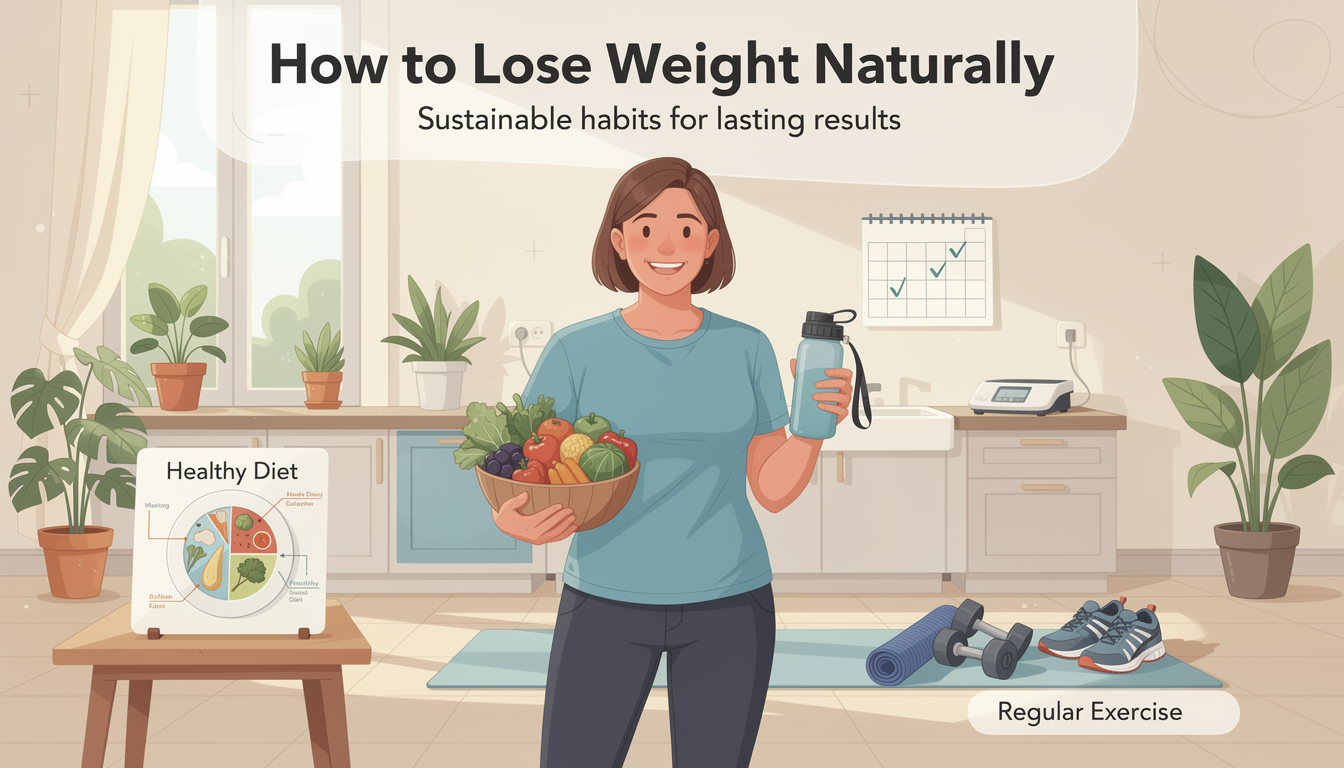
Are you tired of trying fad diets and quick fixes that promise the world but deliver little to no results? You're not alone. Millions of people struggle with weight loss every year, and it's easy to get caught up in the latest trends and gimmicks. But the truth is, losing weight naturally is a jou...