Best Places to Live in Sri Lanka for Expats (2024)
Have you ever scrolled through photos of Sri Lankan beaches, thinking, "I could live there," only to be paralyzed by the question of where? You see the dream, but the practicalities—reliable Wi-Fi, a solid community, a decent supermarket—are a complete mystery. This uncertainty stops many aspiring...
A
Admin
Jan 11, 2026
10 views
Share:
Have you ever scrolled through photos of Sri Lankan beaches, thinking, "I could live there," only to be paralyzed by the question of where? You see the dream, but the practicalities—reliable Wi-Fi, a solid community, a decent supermarket—are a complete mystery. This uncertainty stops many aspiring expats before they even start packing.
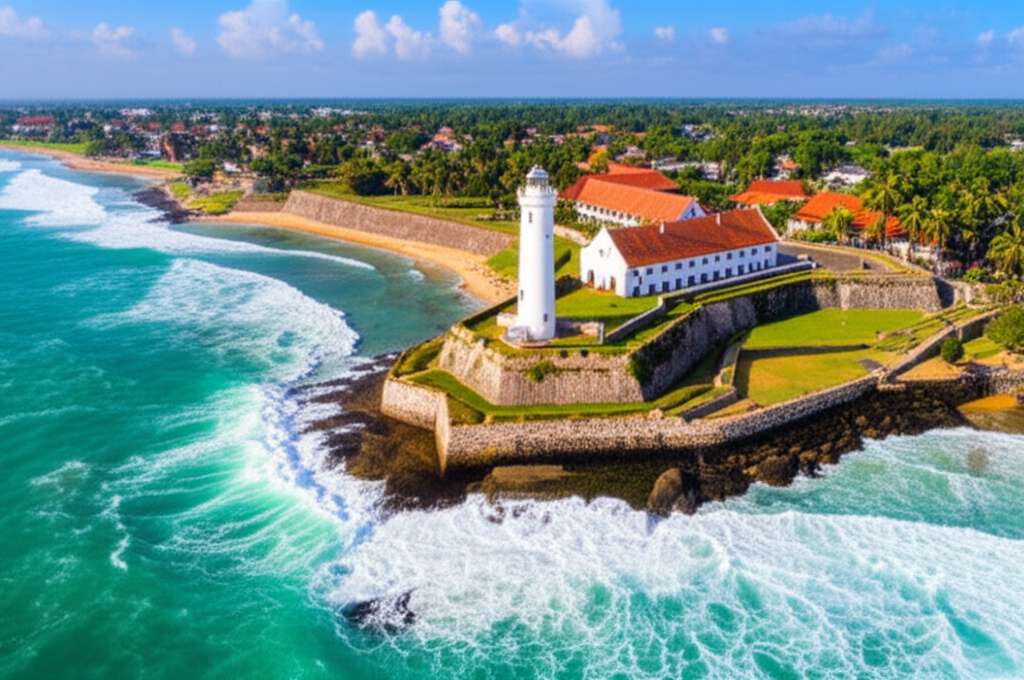
Here’s the most common mistake I see: choosing a location based on a two-week vacation. People fall for the Galle Fort fantasy without considering the daily reality of tourist crowds and limited amenities. A successful move means analyzing a location through a simple framework, balancing your non-negotiables: lifestyle, professional needs, and budget. It’s about finding a functional base, not just a photogenic backdrop.
Forget the generic travel advice. This breakdown gives you the ground truth on specific areas, from Colombo’s well-connected neighborhoods to the quieter surf towns down south. You will learn exactly how to match your priorities to a place you can actually call home, saving you months of costly trial and error.
Colombo: The Cosmopolitan Capital for Urbanites
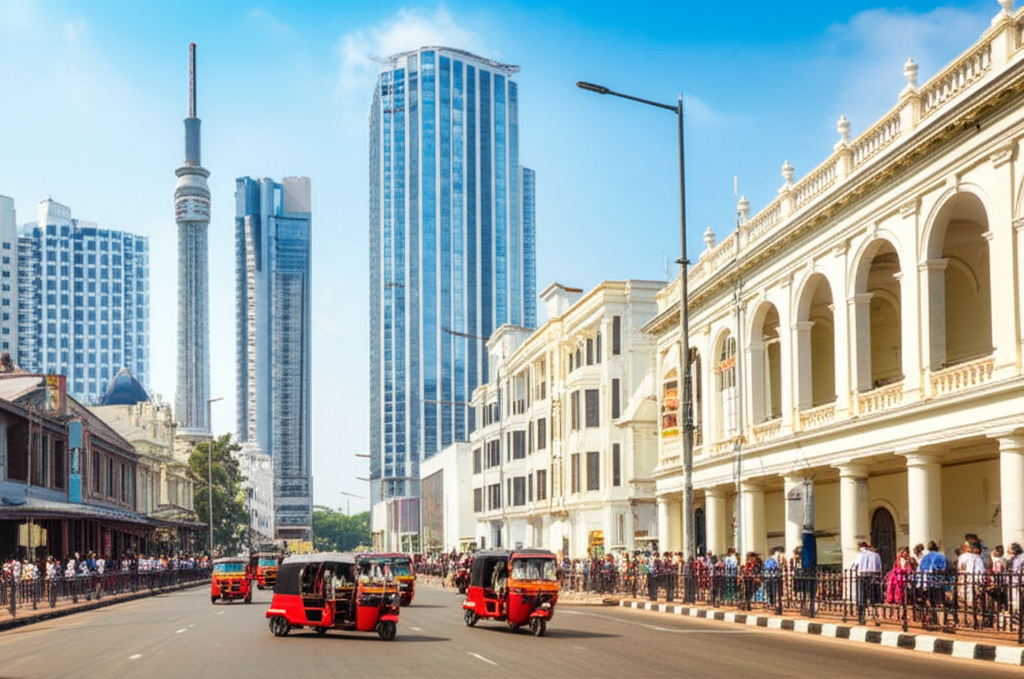
For those who imagine Sri Lanka as purely beaches and tea plantations, Colombo is a vibrant, chaotic, and utterly compelling counterpoint. If you're an expat or digital nomad who thrives on energy and needs first-world infrastructure at your fingertips, this is your base. It’s the island's commercial and cultural heart, where the tuk-tuks' horns are the city's unofficial soundtrack.
Decoding Colombo's Neighbourhoods
Your experience in Colombo is defined by your postal code. For embassy staff and senior executives, the leafy, tranquil avenues of Cinnamon Gardens (Colombo 7) offer stately homes and luxury apartments, albeit with a price tag to match. For sheer convenience, Kollupitiya (Colombo 3) and Bambalapitiya (Colombo 4) are hard to beat. You're within a ten-minute walk of everything: international grocery stores, buzzing cafes, and major corporate offices. Many newcomers make the mistake of underestimating the realistic cost of living in Colombo compared to the rest of the island; a modern two-bedroom apartment here can easily rival rents in secondary European cities.
The Professional's Playground
The city's co-working scene has matured significantly. Hubs like Hatch Works aren't just about a desk and Wi-Fi; they are genuine networking centres buzzing with startup founders and remote professionals. Internet is generally reliable, with widespread fiber optic coverage from providers like SLT and Dialog. Insider Tip: Always have a 4G/5G mobile data plan as a backup. Power cuts, though less frequent now, can still happen, so confirm your apartment building has a generator before signing a lease.
Global Standards for Family and Health
For families, Colombo provides access to world-class education. Deciding on the right curriculum and environment is a major decision, so a thorough guide on how to choose a school in Sri Lanka is invaluable. Institutions like The Overseas School of Colombo and The British School in Colombo are popular choices. Similarly, healthcare is top-notch, with JCI-accredited facilities like Lanka Hospitals and Nawaloka Hospital offering services that meet international standards. This access to premium amenities, from the designer stores at One Galle Face Mall to the diverse international cuisine, makes Colombo the undeniable choice for the career-focused expat.
The South Coast (Galle, Unawatuna, Mirissa): Sun, Surf, and Community
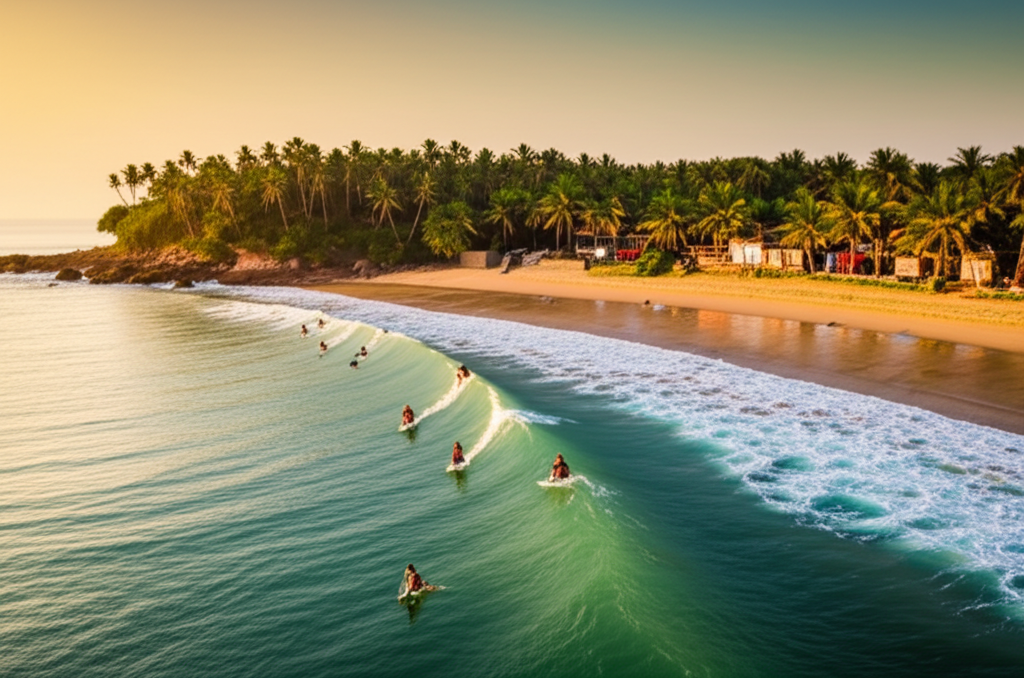
And this is where things get practical. If your vision of life in Sri Lanka involves salty hair, morning surfs, and a laptop open at a beachfront café, the southern coast is your territory. For years, this stretch has been the epicentre of the country's expat and digital nomad scene, but it’s a mistake to paint it with a single brush. The "South Coast" is really a collection of micro-communities, each with a distinct personality.
Choosing Your Coastal Hub
Think of it as a spectrum of intensity. At one end, you have Galle Fort, a UNESCO World Heritage site with cobblestone streets and Dutch colonial architecture. It's sophisticated, quiet, and creative, attracting writers, artists, and those who prefer boutique coffee shops over beachfront bars. The vibe is more European enclave than tropical surf town. A few kilometres away is Unawatuna, the social heavyweight. It's bustling, energetic, and home to a younger crowd drawn by beach parties and a dense concentration of restaurants and guesthouses. Further east, Mirissa strikes a balance. It’s famous for whale watching and has a more relaxed, wellness-focused surf culture. It's where you go for the community without Unawatuna's late-night noise.
The Nomad Life in Practice
The digital nomad infrastructure here is mature. Cafes with reliable fibre internet and generator backup are the norm, not the exception—think places like Skinny Tom's in Unawatuna or the numerous quiet spots within the Fort. The community is the real draw. It’s built around shared activities: surf lessons at Weligama Bay (perfect for beginners), daily yoga classes, and impromptu sunset gatherings. Integration happens fast; join a local WhatsApp group, and within a week, you'll have invites to villa parties, group dinners, and weekend trips to explore other coastal towns. Many find their rhythm here, combining work with deep dives into wellness, with some even opting for dedicated all-inclusive Ayurveda and wellness retreats in Sri Lanka for stressed Western workers.
Insider Tip: A common mistake is renting a villa right on Unawatuna's main beach road, only to be kept awake by music until 2 a.m. The smart move is to live a 5-minute scooter ride inland or in a quieter neighbouring bay like Talpe. You get the peace and quiet while remaining a short ride from the social action. This also positions you perfectly to discover some of the true hidden gems in Sri Lanka for expat families and solo travellers alike, away from the main tourist trail.
Kandy: The Cultural Heart in the Hill Country
Now, you might be wondering what lies beyond the sun-drenched coastline. If the idea of perpetual summer feels more draining than dreamy, your focus should shift inland to Kandy. Forget the salty air and humid nights; here, you trade them for misty mornings, the scent of rain on tropical foliage, and a climate that lets you breathe. At an elevation of 500 meters, Kandy offers a welcome respite, a place where a ceiling fan is often enough and the evenings are pleasantly cool.
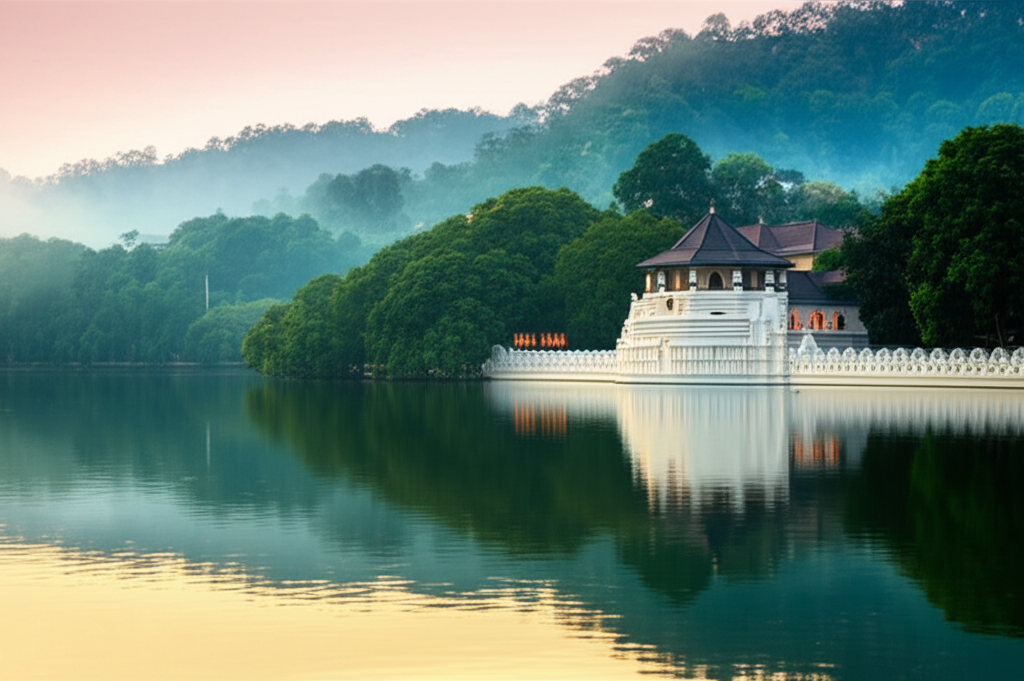
Life in Kandy revolves around a different rhythm, one set by ancient traditions rather than tourist seasons. The city itself is a UNESCO World Heritage site, centered around the serene Kandy Lake and the golden-roofed Temple of the Sacred Tooth Relic. This isn't just a monument; it's the spiritual nucleus of the country, and living here means you feel its pulse daily. During the annual Esala Perahera, a spectacular ten-day procession, the entire city transforms. For an expat, it’s an unparalleled immersion into the island's soul. The overall realistic cost of living in Colombo, Kandy, Galle, and Jaffna in 2026 is also a significant draw, often providing more value than in the capital.
Insider Tip: Location Matters More Than You Think
A common mistake newcomers make is choosing a home right in the bustling city center. While convenient for a short visit, the daily traffic congestion can become a serious grind. The real magic of Kandy lies in its surrounding hills. Look for rentals in areas like Anniewatte, Primrose Gardens, or up on the Hantana range. Here, you get stunning views, tranquility, and a stronger sense of community. You’re still only a 15-minute tuk-tuk ride from the city's amenities, but you gain access to incredible nature trails and the Udawattakele Forest Reserve, a protected sanctuary perfect for morning hikes. It’s a lifestyle that prioritizes peace and cultural depth over the high-energy pace of the coast.
Arugam Bay: The Laid-Back Surf and Yoga Mecca
Building on that foundation of coastal living, Sri Lanka’s East Coast offers a completely different rhythm, and Arugam Bay is its undisputed heartbeat. Forget the polished resorts of the south; this is a rustic, seasonal haven for those who plan their lives around tides and swell charts. The town operates on a distinct calendar: from April to October, it’s a vibrant hub, and from November to March, it returns to a sleepy fishing village. Anyone considering A-Bay must embrace this boom-and-bust cycle.
The primary draw is, without question, the surf. Arugam Bay’s Main Point is a world-renowned right-hand point break that offers incredibly long rides, attracting serious surfers from across the globe. It's not just one spot, though. A short tuk-tuk ride gets you to a variety of breaks catering to different levels, from the mellow waves at Whiskey Point to the more secluded Peanut Farm. The daily routine is beautifully simple: dawn patrol surf, a midday break to work or relax, and an evening session as the sun dips low.
The Vibe and Lifestyle
Life away from the waves is pure bohemian bliss. The single road winding through town is lined with unpretentious yoga shalas, health-conscious cafes serving smoothie bowls, and laid-back beach bars where shoes feel optional. This isn't a high-octane party scene; evenings are more about sharing stories over a Lion beer around a bonfire. For digital nomads, A-Bay presents a trade-off. While the community is growing, Wi-Fi can be inconsistent, especially during power cuts. It’s ideal for those who can structure their work in focused bursts rather than relying on constant connectivity.
Insider Tips & Common Mistakes
The most common mistake newcomers make is underestimating the seasonality. Don’t sign a six-month lease in September expecting the town to be buzzing through December. Many businesses close entirely, and the vibe becomes profoundly quiet. Accommodation is typically a choice between basic beachfront cabanas (great for atmosphere, less so for creature comforts) and more structured guesthouses set back from the sand. Before committing, spend a few nights in each to see what fits your tolerance for sand, heat, and rustic charm. When the season ends, many expats use the downtime to explore the island, applying some smart off-season travel hacks in Sri Lanka to see the rest of the country without the crowds.
Ella & Nuwara Eliya: Tranquility Amidst Tea Plantations
For expats weary of the coastal humidity, the cool, misty highlands offer a completely different Sri Lankan experience. This is the heart of tea country, where the pace of life is dictated by the weather and the rhythm of the plantations. The primary appeal is the climate; temperatures in Nuwara Eliya can drop significantly, especially at night, demanding a wardrobe of fleece jackets and woollen hats unheard of in Colombo.
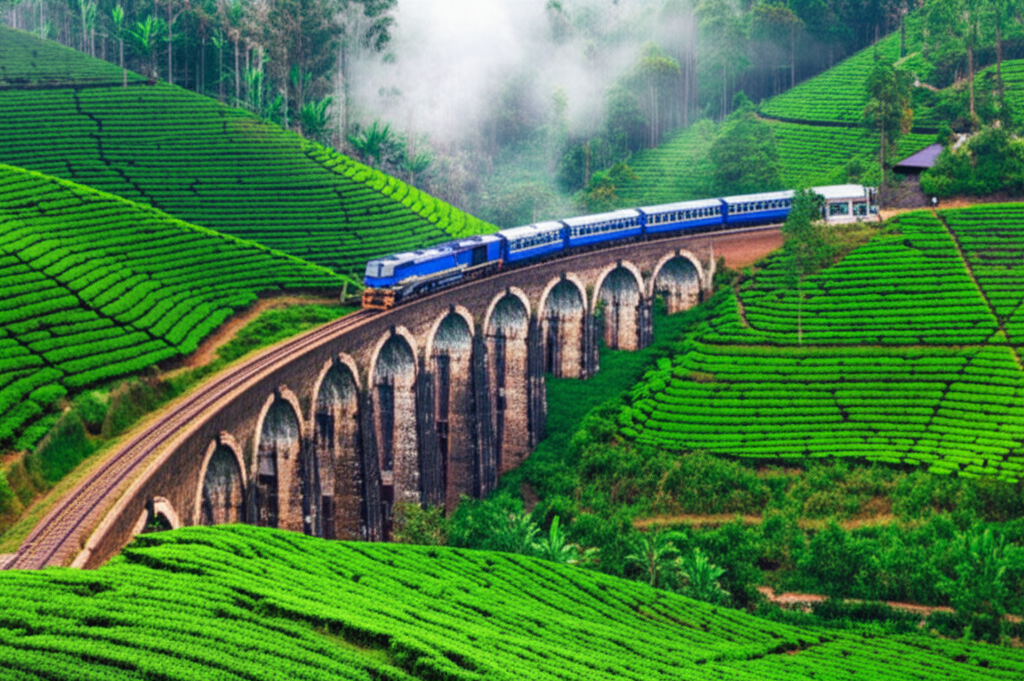
The two main hubs, though geographically close, offer distinctly different lifestyles. Ella is the more vibrant, bohemian choice, popular with digital nomads and active expats. Its main street is a lively strip of cafes and guesthouses. The daily routine here revolves around morning hikes to Ella Rock or the iconic Nine Arch Bridge, followed by an afternoon of work overlooking a stunning valley. It’s informal and social, making it one of the better known hidden gems in Sri Lanka for expat families and solo travellers alike.
Nuwara Eliya, by contrast, is ‘Little England’. It’s a town defined by its colonial past, with Tudor-style manors, manicured rose gardens, a functioning racecourse, and the prestigious Nuwara Eliya Golf Club. The atmosphere is more formal and sedate. Life here is less about rugged treks and more about afternoon tea at The Grand Hotel or a quiet evening by a fireplace. It appeals to those seeking absolute peace and a touch of old-world structure.
Insider Tip: Infrastructure Realities
While the scenery is first-class, don't assume the amenities are. Mobile data can be surprisingly strong, but securing a reliable fibre internet connection for a long-term rental requires thorough vetting. Always run a speed test before signing a lease and inquire about the frequency of power cuts. A dedicated mobile hotspot and a small uninterruptible power supply (UPS) for your router are wise investments for anyone working remotely.
Common Mistake to Avoid
Many newcomers underestimate the psychological effect of the monsoon season. From May to September, the region can be shrouded in a persistent, drizzly mist for days on end. This isn't just about needing a raincoat; the dampness can be pervasive, affecting electronics and causing mildew. A quality dehumidifier is not a luxury in the hill country—it’s an essential household appliance for preserving your belongings and your comfort.
Finding Your Sri Lankan Sanctuary
The perfect Sri Lankan base isn't about finding the 'best' city, but the right one for you. A common pitfall for newcomers is choosing a location based on scenic photos, only to discover the infrastructure doesn't support their professional needs. The insider's approach is to first define your non-negotiables—be it fiber-optic internet, a quiet work environment, or a buzzing social scene—and let that clarity guide your search.
Ready to make the move? Sri Lanka offers a diverse range of lifestyles to suit any expat or digital nomad. Your most effective next step is to book a short-term stay in your top-choice area; experiencing it firsthand will provide insights no article ever can. Share your favorite potential spot in the comments below!
Frequently Asked Questions
What is the cost of living in Sri Lanka for an expat?
The cost of living is relatively low. A single person can live comfortably for $800-$1500 per month, depending on the city and lifestyle. Colombo is the most expensive, while coastal or hill country towns can be more affordable.
Is Sri Lanka safe for expats and digital nomads?
Yes, Sri Lanka is generally considered safe for expats and tourists. Standard precautions should be taken, especially in crowded areas. The local people are known for their hospitality and friendliness towards foreigners.
How is the internet connectivity in Sri Lanka for remote work?
Internet connectivity is good in major cities like Colombo and popular tourist areas along the south coast, with widespread 4G coverage and growing fiber optic networks. Co-working spaces offer reliable, high-speed connections. Rural areas can have less dependable service.