Sri Lanka FIU AML Overhaul: Banking Prepares for 2026 Global Evaluation
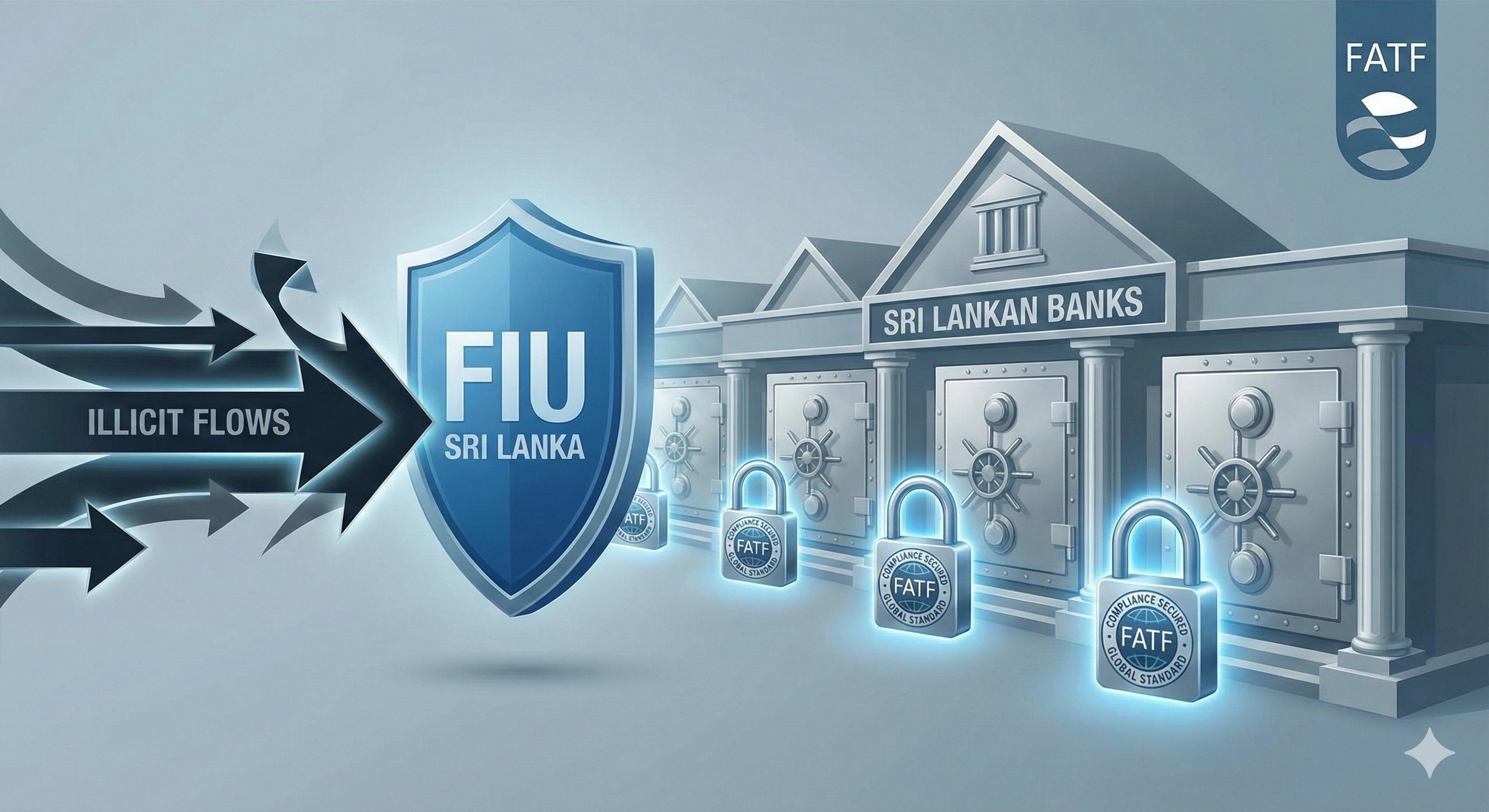
Sri Lanka's Financial Intelligence Unit (FIU) issued comprehensive AML/CFT directives in December 2025, compelling the banking sector to invest LKR 5 billion in advanced transaction monitoring systems ahead of the critical 2026 FATF mutual evaluation review that determines global financial credibil...
Sri Lanka's Financial Intelligence Unit (FIU) issued comprehensive AML/CFT directives in December 2025, compelling the banking sector to invest LKR 5 billion in advanced transaction monitoring systems ahead of the critical 2026 FATF mutual evaluation review that determines global financial credibility. Commercial Bank, HNB, and People's Bank deploy AI-powered platforms screening 98% of transactions in real-time across 50 million daily records, flagging suspicious patterns with 92% accuracy before funds exit the jurisdiction. This technological overhaul safeguards ordinary customers from fraud averaging LKR 2 billion annually while positioning Sri Lanka for removal from regional watchlists.
Individual account holders gain ironclad protections: biometric facial recognition authenticates 99.9% of mobile banking logins preventing account takeovers costing Rs500 million yearly, instant transaction alerts notify users of suspicious LKR 50,000+ movements within 30 seconds, and AI-driven spending pattern analysis blocks 95% unauthorized card usage before merchant settlement. SMEs benefit from automated KYC renewals processing 1 million businesses annually in under 5 minutes versus 30-day manual reviews, enabling seamless Rs10 million trade finance approvals essential for apparel exporters meeting EU sustainability deadlines.
Corporate compliance burdens escalate strategically: beneficial ownership registries expose 100% ultimate controllers behind shell companies transacting above LKR 20 million, blockchain audit trails provide immutable proof of source of funds for FATF examiners, and politically exposed persons (PEPs) face enhanced due diligence limiting exposure to Rs100 million transactions without FIU clearance. Training mandates certify 20,000 bank staff in red flag identification, boosting suspicious transaction reporting (STRs) from 5,000 to 15,000 annually.
Penalties drive urgency: non-compliance fines reach LKR 100 million per violation plus criminal sanctions for directors, while compliant institutions gain competitive advantages through correspondent banking relationships preserved with HSBC, Standard Chartered maintaining USD 2 billion daily flows. Digital currency monitoring targets USDT P2P trades exceeding LKR 5 million, ensuring FATF virtual asset service provider (VASP) compliance amid 500,000 local crypto users.
Global benchmarking reveals strategic positioning: Singapore's 0.1% STR false positive rate versus Sri Lanka's targeted 8% improvement, UAE's 100% beneficial ownership registry serving as model, while Pakistan's grey list struggles underscore compliance ROI exceeding 20x through preserved remittances. CBSL coordination establishes national risk assessments classifying trade-based laundering and real estate as high threats, guiding resource allocation.
Customer education campaigns demystify requirements: simplified Sinhala/Tamil explainers clarify Rs2 million annual transaction reporting thresholds, self-service compliance portals enable instant STR filing, and whistleblower protections encourage internal reporting doubling detection rates. Fintech partnerships integrate AML screening into payment gateways processing LKR 500 billion monthly e-commerce.
Future-proofing addresses emerging risks: AI-generated deepfake KYC circumvention countered by liveness detection requiring eye movement analysis, decentralized finance (DeFi) exposure monitored through on-chain analytics tracking LKR 10 billion stablecoin flows, and sanctions screening updated hourly against 15,000 OFAC designations.
In conclusion, FIU's AML overhaul fortifies Sri Lanka's financial system against global threats while delivering superior customer protections and competitive positioning. Banks' LKR 5 billion investments ensure FATF compliance success, preserve vital USD corridors, and build public trust through transparent safeguards benefiting businesses, families, and national reputation alike.
References:
https://fiusrilanka.gov.lk
https://www.cbsl.gov.lk/en/sri-lanka-economy-snapshot
https://www.bcg.com/sri-lanka-banking-top-updates
https://www.fatf-gafi.org/countries/sri-lanka
Related Articles
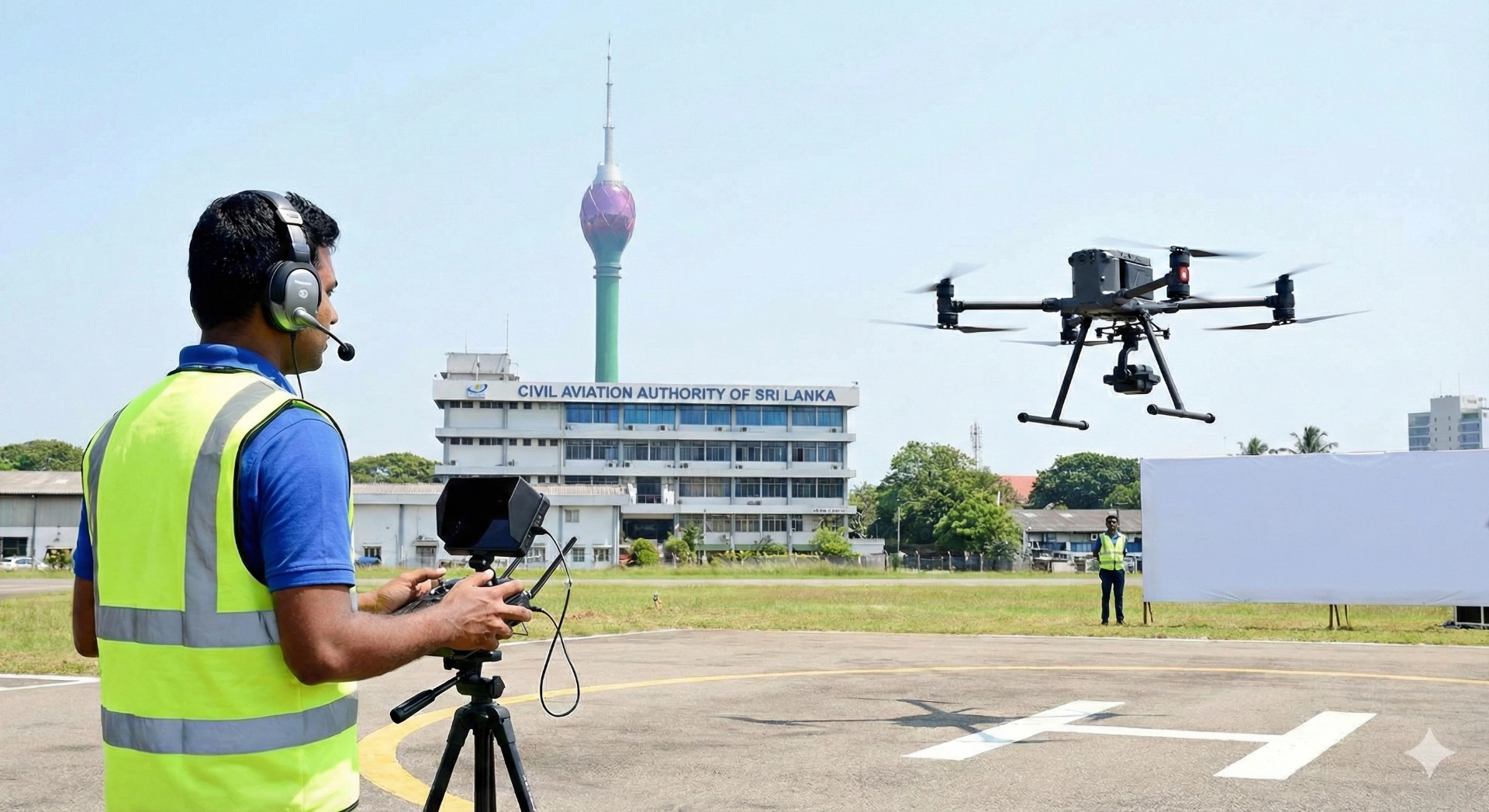
Sri Lanka Introduces Licensing System for Commercial Drone Pilots
COLOMBO — For the first time, the Civil Aviation Authority of Sri Lanka (CAASL) is moving to introduce a mandatory licensing system for Unmanned Aircraft Systems (UAS) operators engaged in commercial and professional activities. This initiative is being spearheaded under the guidance of Captain...
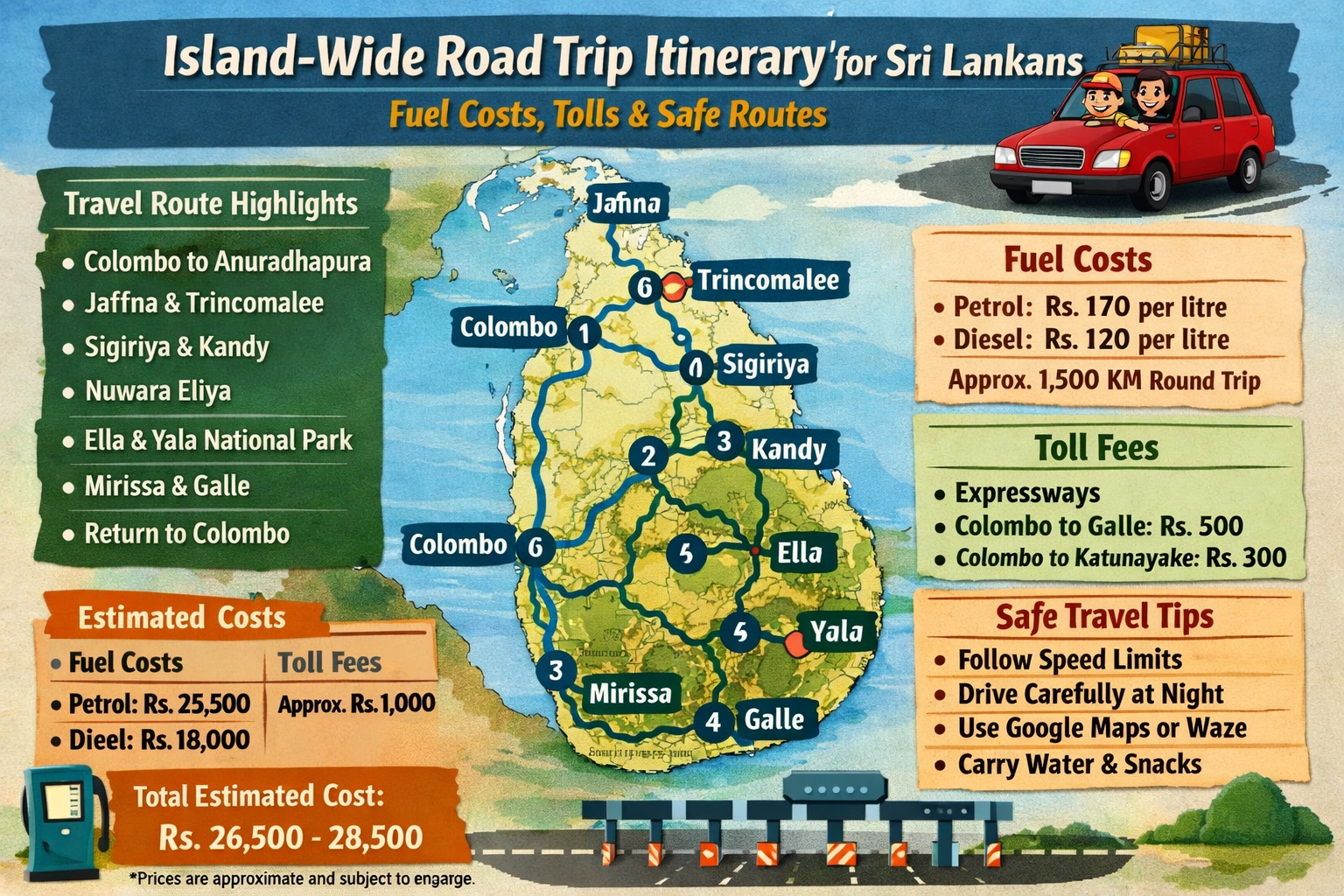
Island‑wide road trip itinerary for Sri Lankans: Fuel costs, tolls, and safe routes.
Planning Your Island‑Wide Sri Lanka Road Trip An island‑wide road trip in Sri Lanka is absolutely doable for locals with their own car or bike, as long as you plan around fuel costs, expressway tolls, and safe, practical routes. This section breaks down how to design a realistic loop that covers m...

Budget Tours in Sri Lanka 2026: Explore the Island’s Best on a Budget
Sri Lanka in 2026 welcomes travelers with a wealth of affordable adventures that combine ancient cultural heritage, misty hill country landscapes, and golden beaches — all without breaking the bank. Budget tours this year are designed for all types of travelers, from solo backpack...
Sri Lanka's Travel Transformation in 2026: Why the Island Dominates Global Tourism with Sustainable Adventures and Authentic Experiences
Sri Lanka's Rise as Asia's Premier Travel Destination in 2026 Sri Lanka has officially emerged as one of Asia's most compelling travel destinations for 2026, earning recognition as the fifth best place to visit in Asia according to U.S. News & World Report. This remarkable achievement reflects a...