Health insurance for elderly parents in Sri Lanka: Coverage for chronic diseases.
The Challenge: Securing Health Coverage for Seniors with Chronic Illnesses in Sri Lanka
Finding the right health insurance for elderly parents is a priority for many families. However, this task becomes much more difficult when parents live with chronic illnesses. Long-term conditions such as diab...
A
Admin
Jan 12, 2026
27 views
Share:
The Challenge: Securing Health Coverage for Seniors with Chronic Illnesses in Sri Lanka
Finding the right health insurance for elderly parents is a priority for many families. However, this task becomes much more difficult when parents live with chronic illnesses. Long-term conditions such as diabetes, high blood pressure, heart disease, and arthritis are common among seniors. In Sri Lanka, securing a good insurance plan that covers these pre-existing conditions is a significant challenge.
Insurance companies view chronic illnesses as a high risk. This business reality creates several hurdles for families seeking coverage for their elderly loved ones:
Higher Premiums: Age already increases the cost of health insurance. A pre-existing chronic condition can cause premiums to become very expensive, making them unaffordable for many households.
Coverage Exclusions: Many insurance policies will agree to cover a senior but will specifically exclude any treatments related to their chronic illness. This defeats the main purpose of getting the insurance in the first place.
Strict Age Limits and Rejection: Most standard insurance plans stop accepting new applicants after age 60 or 65. Even when a senior falls within the age limit, an existing chronic disease can lead to an outright rejection of their application.
Long Waiting Periods: Some plans may offer coverage for chronic conditions but only after a long waiting period, which could be several years. During this time, the family must pay for all medical costs out-of-pocket.
This situation puts immense financial pressure on families, especially as the realistic cost of living in Sri Lanka continues to rise. For children working abroad, this is a major source of worry, as they often rely on remittance apps to send money home for their parents' medical care. Without a reliable insurance plan, a single medical emergency can drain a family's savings.
Key Policy Features to Look For: A Checklist for Chronic Disease Coverage
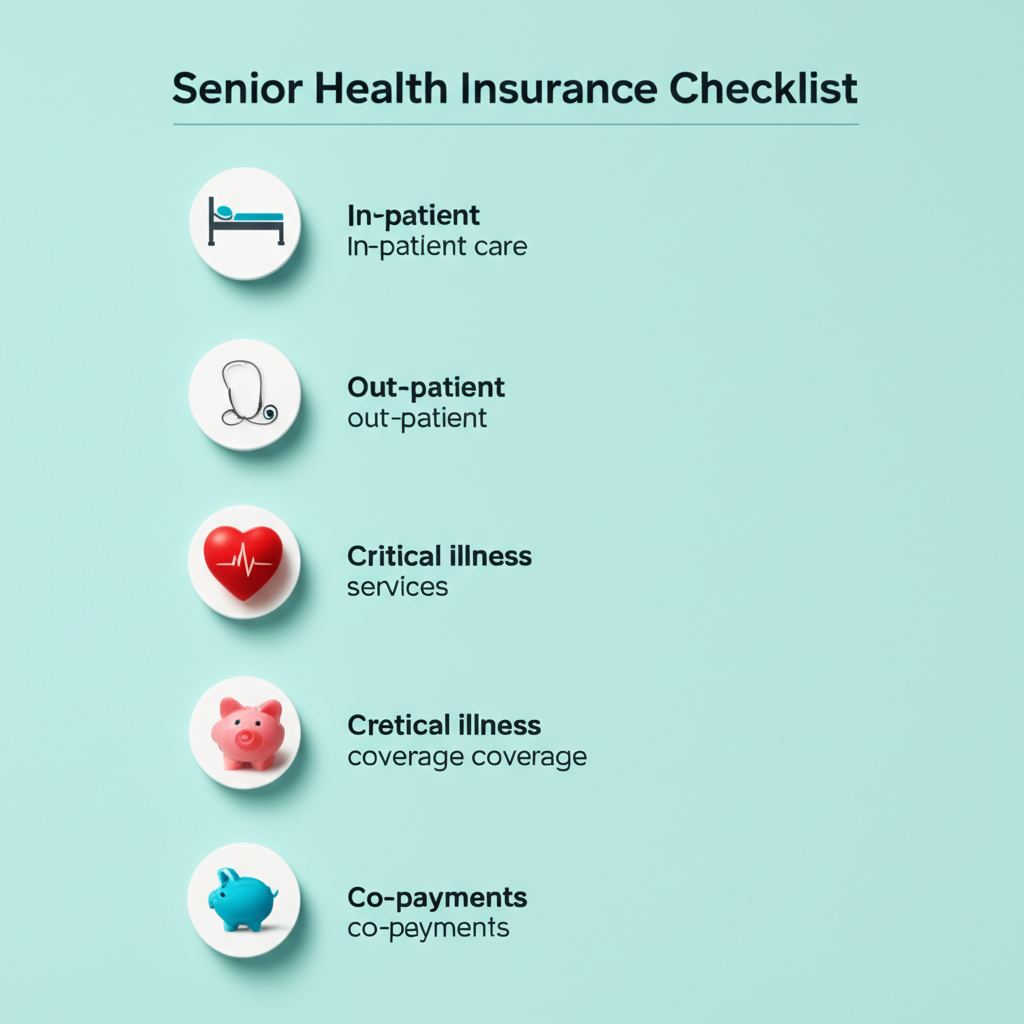
Choosing the right insurance for parents with chronic conditions like diabetes or high blood pressure can feel complex. Not all policies offer the same benefits. Use this simple checklist to compare plans and ask the right questions before you buy.
Pre-existing Disease Coverage: This is the most important point. Does the policy cover illnesses your parent already has? If so, you must find out the waiting period before the cover starts. Ask for the exact number of years.
Waiting Periods: Besides pre-existing conditions, some policies have a general waiting period of 30 days for new illnesses and longer periods (e.g., 2-4 years) for specific surgeries. Clarify these timelines.
Coverage for Regular Care: Chronic diseases need ongoing management, not just hospital stays. Check if the policy covers outpatient (OPD) costs like doctor visits, lab tests, and regular health check-ups.
Medicine and Pharmacy Bills: Long-term medication is a major expense. Does the plan help cover the cost of prescribed drugs? This is crucial for conditions that need daily medicine.
Sub-limits on Specific Diseases: Be careful of hidden limits. A policy might have a high total cover but a smaller, separate limit for conditions like kidney disease or heart surgery. Always ask about these sub-limits.
Network Hospitals: Make sure good quality, trusted hospitals near your parents’ home are on the insurer's list. This allows for cashless treatment, which is much more convenient.
Lifetime Renewal: Check if the company guarantees to renew the policy every year, regardless of your parent's age or the claims they make. This gives you peace of mind for the long term.
Comparing Top Insurance Providers in Sri Lanka for Elderly Parents
Choosing the right health insurance for your parents can feel overwhelming. This is especially true if they manage chronic conditions like diabetes or high blood pressure. Many companies in Sri Lanka offer senior health plans, but the details are what matter most. Here is a brief comparison to help you start your search.
Key Providers and What to Look For
While specific plans change over time, major providers like Ceylinco Life, AIA Insurance, Softlogic Life, and Sri Lanka Insurance Corporation (SLIC) are good places to begin. When you speak with their agents, focus on these key points:
Entry Age Limit: Ask for the maximum age a new person can join. Some plans may not accept new members after age 65 or 70, so this is a critical first step.
Chronic Disease Coverage: This is very important. Ask how they cover pre-existing conditions. Most companies have a "waiting period," often between two to four years. This means they will not pay for treatments related to an existing illness until the policy has been active for that time.
Annual Coverage Limit: Check the total amount the policy will pay per year. Medical costs for seniors can be high. Ensure the limit is enough to cover a major hospital stay at a private hospital.
Hospital Network: Make sure the insurance company has partnerships with good hospitals and clinics that are easy for your parents to get to.
Making the Final Decision
No single company is the best for everyone. Your choice will depend on your parents' specific health needs and your budget. It is wise to get quotes from at least three different providers. Always read the policy document carefully before you sign anything. Being completely honest about your parents' medical history will prevent problems when you need to make a claim.
Once you choose a policy, keeping it active is simple. You can use a helpful step-by-step guide to paying bills online to make sure premium payments are never missed.
The Application Process: A Step-by-Step Guide
Applying for health insurance for your elderly parents can feel complex, especially if they have chronic diseases. Following a clear process helps make it simpler. Here is a guide to help you get started.
Step 1: Research and Compare Plans
Start by looking at different insurance companies in Sri Lanka. Compare their senior citizen health plans. Pay close attention to which chronic conditions, like diabetes or high blood pressure, are covered. Check the waiting periods for these pre-existing diseases. Some plans may make you wait one or two years before covering certain illnesses.
Step 2: Gather All Documents
You will need several documents to apply. Make sure you have your parents' National Identity Cards (NIC), recent medical reports, a full health history, and a list of current medications. Having detailed medical records is very important when applying for a policy that covers chronic diseases.
Step 3: Fill Out the Application Form
Be completely honest when you fill out the application form. You must declare all of your parents’ existing health conditions. Hiding information can cause the insurance company to reject claims later on.
Step 4: Undergo a Medical Review
The insurance company will review your parents' medical history. They may ask your parents to go for a medical check-up. This is a normal step for the company to understand their current health status before offering a policy.
Step 5: Review and Pay for the Policy
If the application is approved, the company will send you the policy documents. Read them carefully. Check the coverage limits, what is not covered (exclusions), and the premium amount. Once you are happy with the terms, you can make the first payment. Many companies now offer easy ways to pay your insurance bills online. If you live abroad, using one of the best remittance apps can make paying for the policy straightforward.
Insurance Regulatory Commission of Sri Lanka (IRCSL). The Official Website for Insurance Regulation in Sri Lanka. Retrieved from https://www.ircsl.gov.lk