Enterprise Search Software Comparison 2026
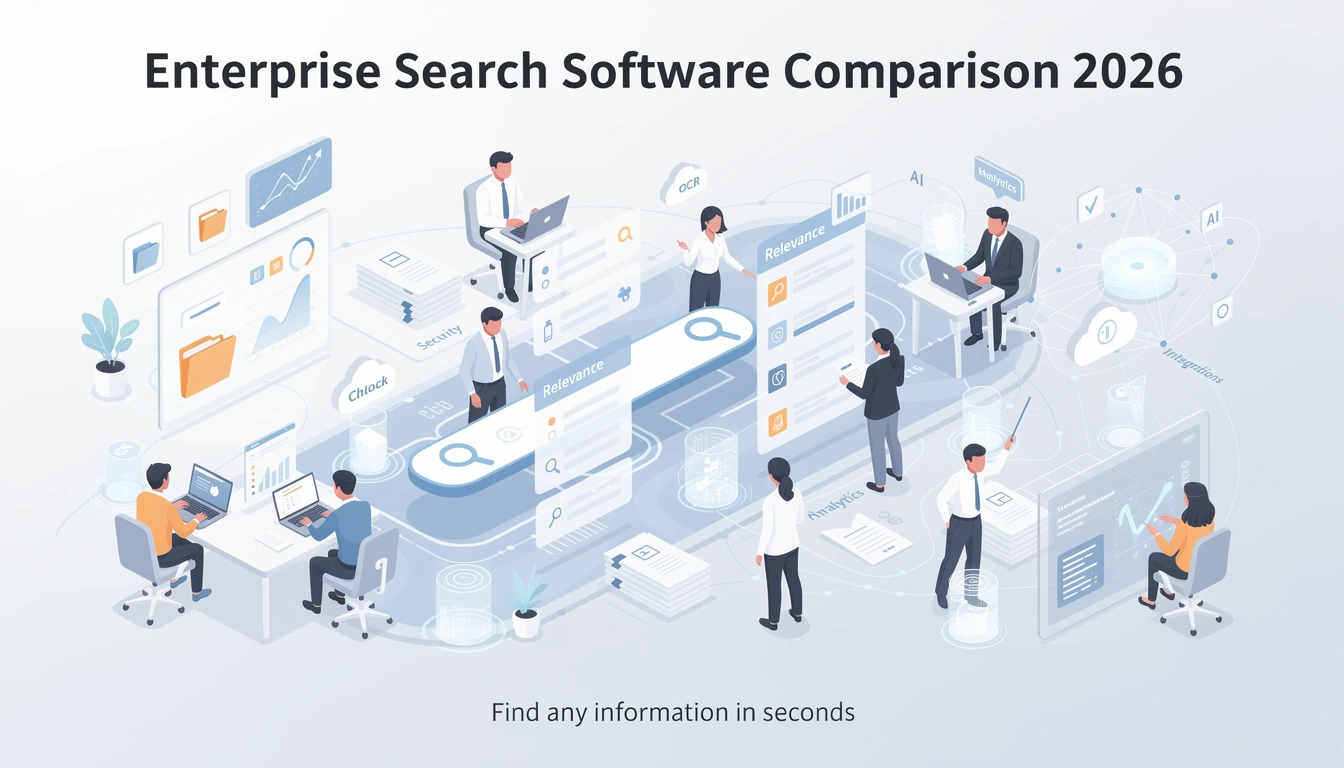
Imagine being able to find any piece of information you need within your organization in a matter of seconds. Sounds like a dream, right? Well, with the right enterprise search software, this can become a reality. You might be wondering, what exactly is enterprise search software and how can it be...
Introduction to Enterprise Search Software
So, what is enterprise search software? Simply put, it's a type of software that allows you to search for and retrieve information from within your organization. This can include documents, emails, databases, and even websites. The benefits of using enterprise search software are numerous. For one, it can save you a significant amount of time and effort in searching for information. I think we've all been in situations where we've spent hours searching for a specific document or piece of information, only to come up empty-handed. With enterprise search software, you can find what you need in a matter of seconds. Another benefit of enterprise search software is that it can improve collaboration and knowledge-sharing within your organization. When everyone has access to the same information, it's easier to work together and make informed decisions. I've seen organizations where different departments are working on the same project, but they're not able to share information easily. This can lead to duplication of effort and a lack of coordination. Enterprise search software can help to break down these silos and improve communication. Additionally, enterprise search software can help to reduce the risk of data loss and improve compliance. By having a centralized repository of information, you can ensure that sensitive data is protected and that you're meeting regulatory requirements. For example, if you're in the healthcare industry, you need to comply with HIPAA regulations. Enterprise search software can help you to ensure that sensitive patient information is protected and that you're meeting all the necessary requirements.Key Features of Enterprise Search Software
So, what are the key features to look for in enterprise search software? One of the most important is the search algorithm. This is the underlying technology that powers the search function. I think it's fair to say that not all search algorithms are created equal. Some are more advanced than others and can provide more accurate and relevant results. For example, some search algorithms use natural language processing to understand the context of the search query and provide more relevant results. Another important feature is indexing and crawling. This refers to the process of indexing and crawling your organization's data to make it searchable. I've seen organizations where the indexing and crawling process is not done properly, and as a result, the search function is not effective. It's like trying to find a needle in a haystack. You need to make sure that your search software is able to index and crawl all of your data, including documents, emails, and databases. Security and access control are also critical features to consider. You need to ensure that sensitive data is protected and that only authorized personnel have access to it. I think this is especially important in organizations where there are different levels of access and clearance. For example, in a government agency, you may have classified information that only certain personnel are cleared to access. Your search software needs to be able to handle these different levels of access and ensure that sensitive data is protected. Some other features to consider include user interface, scalability, and integration with other systems. You need to make sure that your search software is user-friendly and easy to use, and that it can handle large amounts of data. You also need to consider how it will integrate with other systems, such as your content management system or customer relationship management system.Top Enterprise Search Software Comparison
So, what are some of the top enterprise search software options on the market? One of the most well-known is Google Search Appliance. This is a powerful search engine that can index and crawl large amounts of data. I think it's a great option for organizations that have a lot of unstructured data, such as documents and emails. Another option is Microsoft Search Server, which is a comprehensive search platform that can integrate with other Microsoft products, such as SharePoint and Exchange. Elasticsearch is another popular option that is known for its scalability and flexibility. It's a great option for organizations that have large amounts of data and need a search software that can handle it. I've seen organizations where they have millions of documents and emails, and Elasticsearch is able to handle it with ease. Other options include Amazon CloudSearch, IBM Watson Discovery, and Coveo. When comparing these options, you need to consider your specific needs and requirements. What type of data do you have? How much data do you have? What are your security and access control requirements? I think it's also important to consider the user interface and user experience. You need to make sure that your search software is easy to use and provides relevant results. For example, if you're in the retail industry, you may have a lot of product information and customer data. You need to make sure that your search software can handle this type of data and provide relevant results. On the other hand, if you're in the financial industry, you may have sensitive financial data that requires high levels of security and access control. You need to make sure that your search software can meet these requirements.Implementation and Integration of Enterprise Search Software
 So, how do you implement and integrate enterprise search software? The first step is pre-implementation planning. This involves assessing your organization's needs and requirements, and determining which search software is the best fit. I think it's also important to consider the technical requirements, such as the infrastructure and hardware needed to support the search software.
The implementation process typically involves indexing and crawling your organization's data, configuring the search software, and testing it to ensure that it's working properly. I've seen organizations where the implementation process is not done properly, and as a result, the search function is not effective. It's like trying to build a house without a foundation. You need to make sure that you have a solid foundation in place before you can build on it.
Post-implementation maintenance is also critical. This involves monitoring the search software to ensure that it's working properly, and making any necessary adjustments or updates. I think it's also important to provide user training and support, to ensure that users are able to get the most out of the search software. You need to make sure that users understand how to use the search software, and that they're able to get the results they need.
For example, you may need to provide training on how to use the search query language, or how to filter and refine search results. You may also need to provide support for users who are having trouble finding what they need. I've seen organizations where the support team is not knowledgeable about the search software, and as a result, users are not able to get the help they need.
So, how do you implement and integrate enterprise search software? The first step is pre-implementation planning. This involves assessing your organization's needs and requirements, and determining which search software is the best fit. I think it's also important to consider the technical requirements, such as the infrastructure and hardware needed to support the search software.
The implementation process typically involves indexing and crawling your organization's data, configuring the search software, and testing it to ensure that it's working properly. I've seen organizations where the implementation process is not done properly, and as a result, the search function is not effective. It's like trying to build a house without a foundation. You need to make sure that you have a solid foundation in place before you can build on it.
Post-implementation maintenance is also critical. This involves monitoring the search software to ensure that it's working properly, and making any necessary adjustments or updates. I think it's also important to provide user training and support, to ensure that users are able to get the most out of the search software. You need to make sure that users understand how to use the search software, and that they're able to get the results they need.
For example, you may need to provide training on how to use the search query language, or how to filter and refine search results. You may also need to provide support for users who are having trouble finding what they need. I've seen organizations where the support team is not knowledgeable about the search software, and as a result, users are not able to get the help they need.
Best Practices for Enterprise Search Software
So, what are some best practices for enterprise search software? One of the most important is search query optimization. This involves optimizing your search queries to ensure that you're getting the most relevant results. I think it's also important to optimize your indexing and crawling process, to ensure that your search software is able to index and crawl all of your data. User training and support is also critical. You need to make sure that users are able to get the most out of the search software, and that they're able to find what they need. I've seen organizations where users are not able to find what they need, and as a result, they're not able to do their jobs effectively. You need to make sure that users are able to use the search software effectively, and that they're able to get the results they need. Another best practice is to regularly monitor and maintain your search software. This involves monitoring the search software to ensure that it's working properly, and making any necessary adjustments or updates. I think it's also important to stay up-to-date with the latest trends and technologies in enterprise search software, and to consider how you can apply these to your organization. For example, you may want to consider using artificial intelligence or machine learning to improve your search results. You may also want to consider using natural language processing to improve the user experience. I've seen organizations where they're using these technologies to improve their search software, and as a result, they're able to provide better results and a better user experience.Future of Enterprise Search Software
So, what's the future of enterprise search software? I think it's clear that artificial intelligence and machine learning will play a big role. These technologies have the potential to revolutionize the way we search for information, and to provide more accurate and relevant results. For example, you may be able to use machine learning to predict what you're looking for, and to provide personalized results. Natural language processing is another technology that will have a big impact on enterprise search software. This technology allows you to search for information using natural language, rather than keywords. I think this will make it easier for users to find what they need, and will provide a more intuitive user experience. You'll be able to ask questions like "What are the latest sales figures?" or "What is the company policy on vacation time?" and get relevant results. Cloud-based solutions will also become more prevalent. These solutions provide a scalable and flexible way to implement enterprise search software, and can be more cost-effective than on-premise solutions. I've seen organizations where they're using cloud-based solutions to implement their search software, and as a result, they're able to scale more easily and reduce their costs. Overall, I think the future of enterprise search software is exciting and full of possibilities. As technology continues to evolve, we can expect to see even more advanced and sophisticated search software that can help organizations to find and use information more effectively. I think it's an exciting time to be in the field of enterprise search software, and I'm looking forward to seeing what the future holds.Key Takeaways
So, what are the key takeaways from this article? I think the most important thing is to understand the benefits and value of enterprise search software, and to consider how it can help your organization to find and use information more effectively. You need to think about your specific needs and requirements, and to choose a search software that meets those needs. As you move forward with implementing and integrating enterprise search software, remember to follow best practices such as search query optimization, indexing and crawling optimization, and user training and support. And as you look to the future, consider how you can apply emerging technologies such as artificial intelligence, machine learning, and natural language processing to improve your search software and provide a better user experience. Now, I'd like to leave you with a question: what would happen if you were able to find any piece of information you needed within your organization in a matter of seconds? How would it impact your productivity and efficiency? I think it's an exciting question to consider, and one that could have a significant impact on your organization's success.Frequently Asked Questions
What is enterprise search software?
Enterprise search software is a type of software that enables organizations to search and retrieve information from various sources within the organization
What are the benefits of using enterprise search software?
The benefits of using enterprise search software include improved search accuracy, increased productivity, and enhanced decision-making
Related Articles
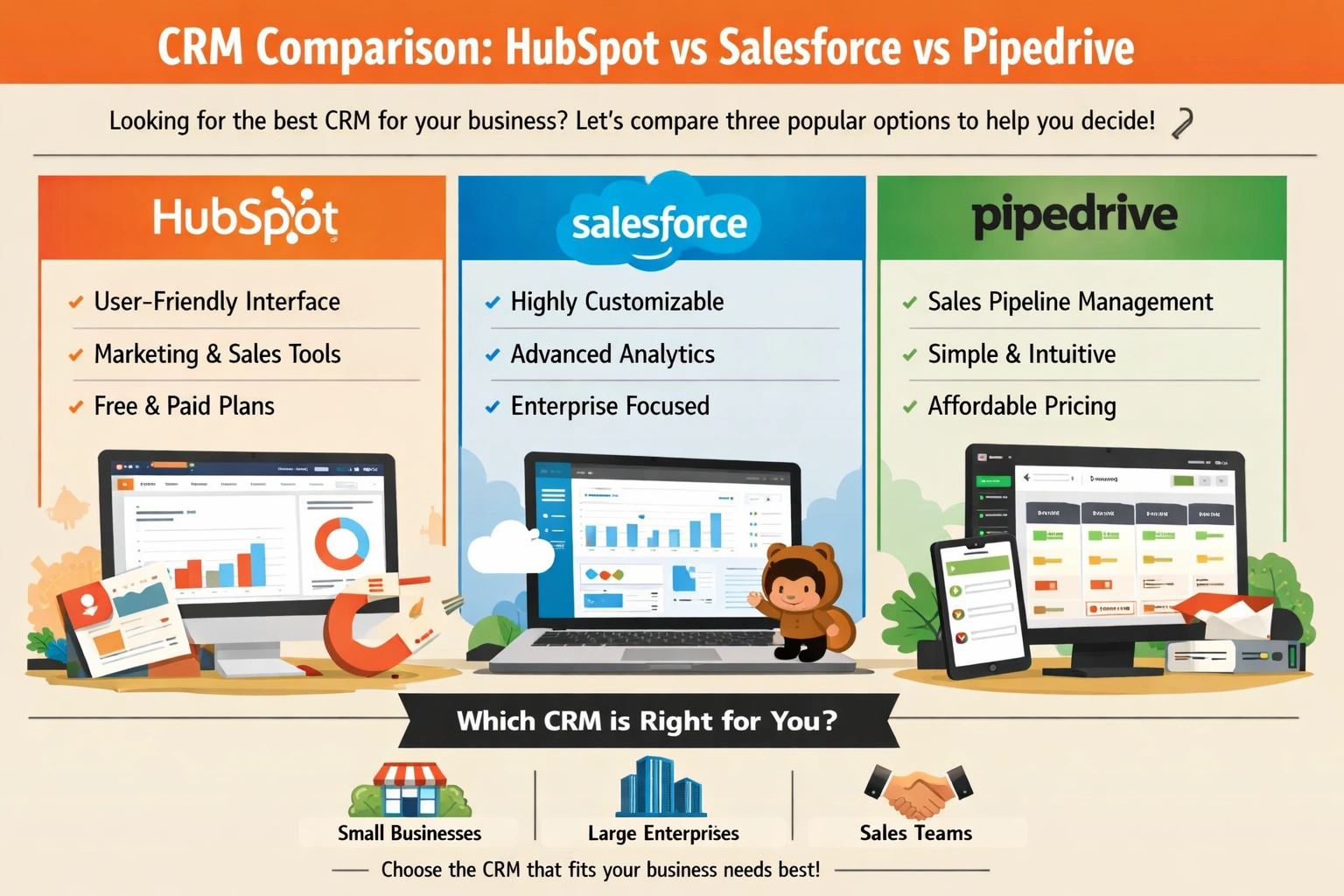
CRM Comparison: HubSpot vs Salesforce vs Pipedrive
You're sitting at your desk, staring at a pile of business cards, notes, and spreadsheets, trying to make sense of your customer interactions. You know that managing your relationships with customers is key to growing your business, but it's getting increasingly difficult to keep track of everythi...
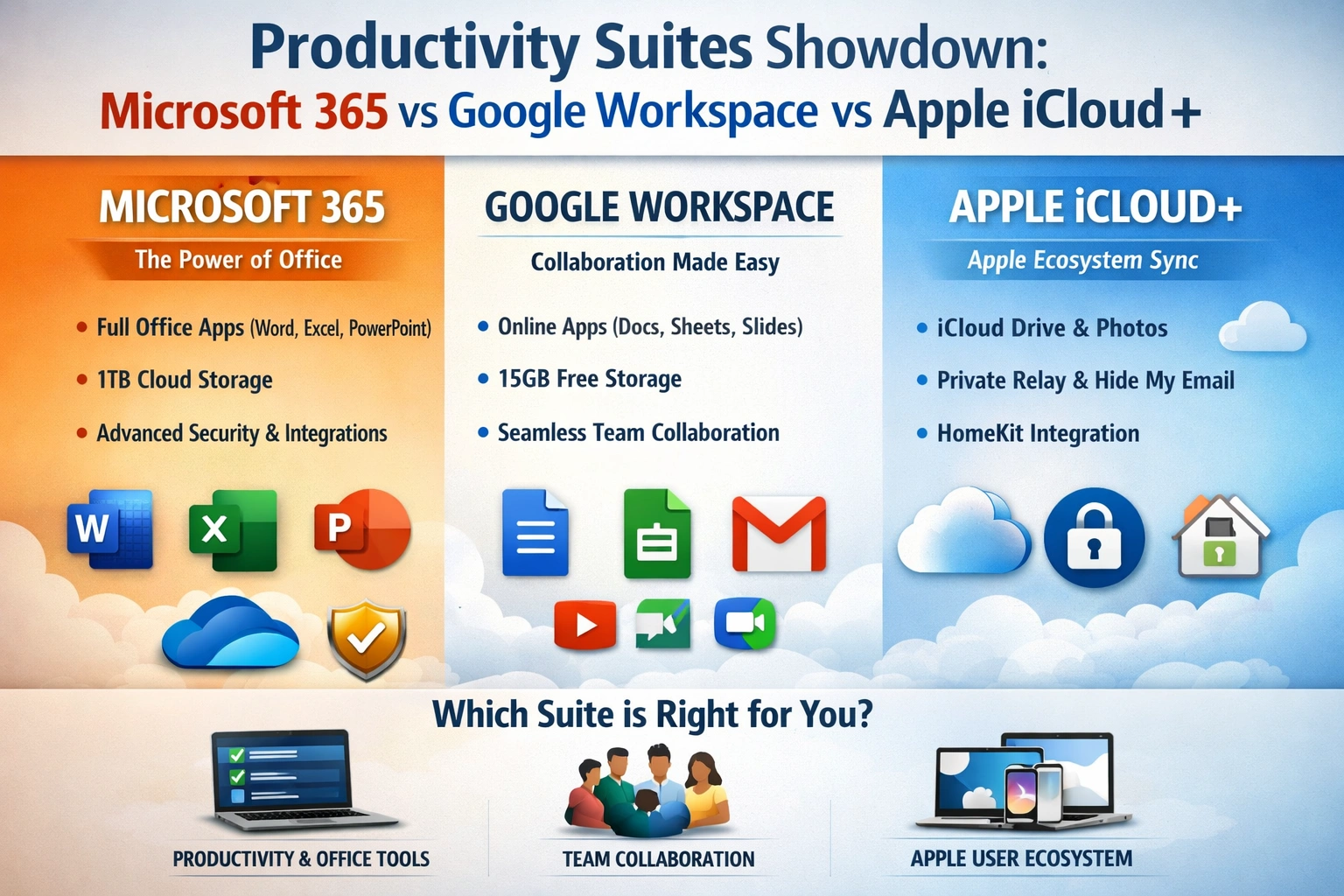
Productivity Suites: Microsoft 365 vs Google Workspace vs Apple iCloud+
As you strive to manage your work and personal life more efficiently, you're likely considering a productivity suite to help you stay organized and focused. With numerous options available, selecting the right one can be overwhelming. You want a suite that integrates well with your existing tools,...
Best Alternatives to Expensive Software
You're likely no stranger to the frustration of expensive software prices. Whether you're a student, freelancer, or business owner, the cost of software can quickly add up and eat into your budget. But what if you could access high-quality software without breaking the bank? The good news is that...