What is Project 2025
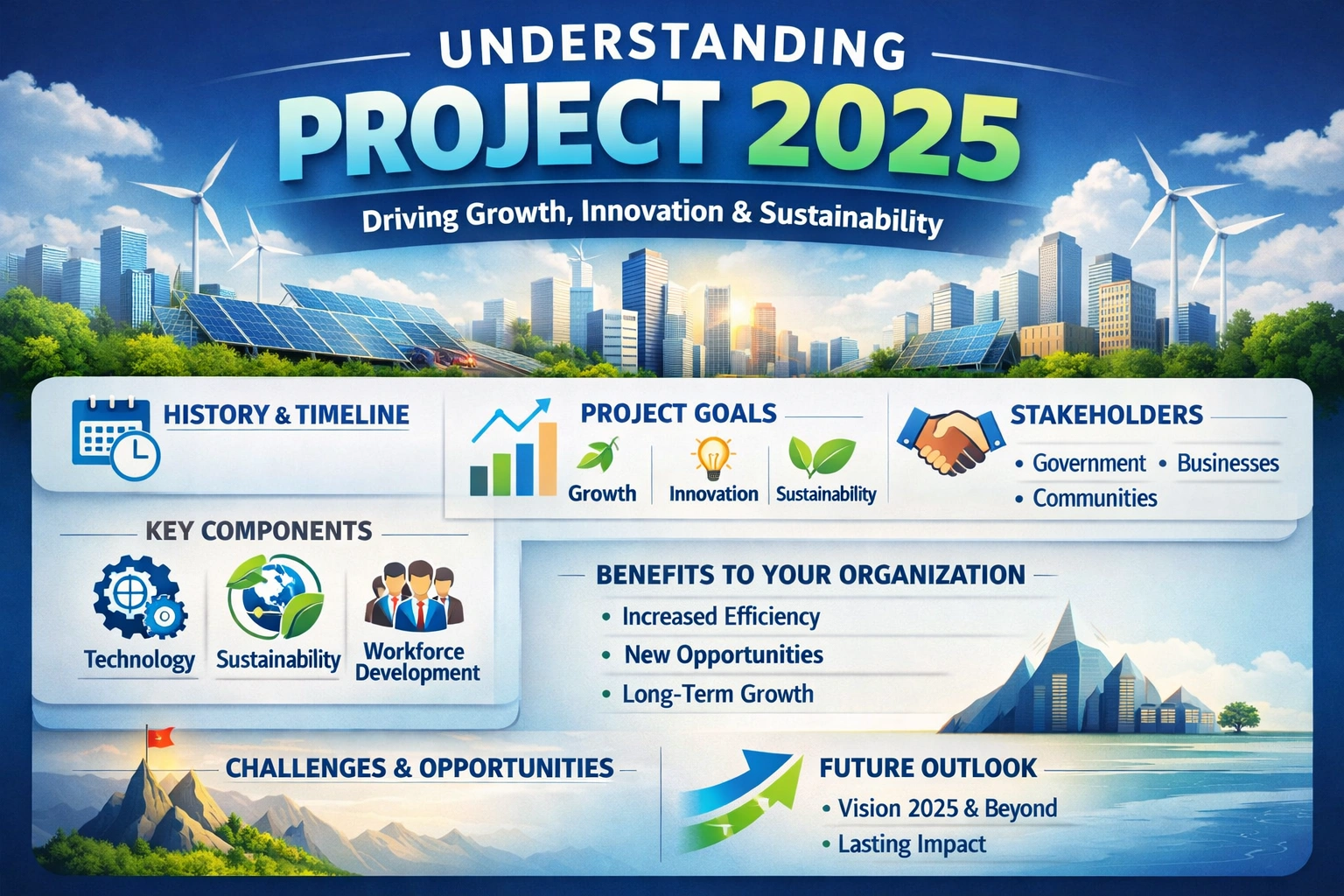
As you consider your organization's strategy for the next few years, you may have come across Project 2025, a comprehensive initiative aimed at driving growth, innovation, and sustainability. You might be wondering what this project entails, how it can benefit your organization, and what steps you...
Introduction to Project 2025
Project 2025 is a multi-year initiative aimed at driving growth, innovation, and sustainability in various sectors. The project's primary goal is to create a framework for organizations to achieve long-term success while minimizing their environmental footprint. The project timeline is set to run from 2023 to 2025, with key milestones and deliverables scheduled throughout the period. The project stakeholders include organizations from the private and public sectors, as well as academia and research institutions. The project's goals are ambitious, with a focus on creating a more sustainable and equitable future. The project's leaders have identified several key areas of focus, including the development of new technologies, the creation of sustainable business models, and the promotion of social and environmental responsibility. The project's stakeholders will work together to achieve these goals, sharing knowledge, expertise, and resources to drive progress and innovation. For example, the project's focus on sustainable business models has already led to the development of new products and services that reduce waste and promote energy efficiency. One organization participating in the project has developed a new packaging material that is biodegradable and compostable, reducing the amount of plastic waste in landfills and oceans. This is just one example of the many innovative solutions that are being developed through Project 2025.History and Background of Project 2025
Project 2025 has its roots in earlier initiatives that aimed to promote sustainability and innovation. The project's history dates back to 2018, when a group of organizations came together to discuss the need for a more comprehensive approach to sustainability. Over the next few years, the project evolved and grew, with new stakeholders joining and contributing to the initiative. The project's key milestones include the launch of the project's website and social media channels, the establishment of a project advisory board, and the publication of the project's first annual report. The project's leaders have also established a number of working groups, each focused on a specific area of the project, such as technology development, business model innovation, and social and environmental responsibility. One of the key lessons learned from the project's history is the importance of collaboration and partnership. The project's stakeholders have come to realize that no one organization can achieve the project's goals alone, and that a collective effort is needed to drive progress and innovation. This has led to the development of a number of partnerships and collaborations, both within and outside the project, to share knowledge, expertise, and resources. For instance, the project has partnered with a number of research institutions to develop new technologies and solutions. One such partnership has led to the development of a new solar panel technology that is more efficient and cost-effective than existing technologies. This is just one example of the many partnerships and collaborations that are driving innovation and progress through Project 2025.Key Components and Features of Project 2025
Project 2025 has several key components and features that are driving its success. The project's architecture is based on a modular approach, with different modules focused on specific areas of the project, such as technology development, business model innovation, and social and environmental responsibility. The project's technological innovations include the development of new materials, products, and services that reduce waste and promote energy efficiency. The project's sustainability features include the use of renewable energy sources, the reduction of water consumption, and the promotion of sustainable agriculture practices. The project's stakeholders are also working to develop new business models that promote social and environmental responsibility, such as the use of circular economy principles and the development of sharing economies. For example, the project's focus on sustainable agriculture has led to the development of new farming practices that reduce the use of chemical pesticides and fertilizers. One organization participating in the project has developed a new farming system that uses natural pest control methods and promotes soil health, reducing the environmental impact of agriculture and promoting more sustainable food systems. The project's stakeholders are also working to develop new technologies that promote energy efficiency and reduce waste. One such technology is a new building material that is made from recycled plastic waste, reducing the amount of waste in landfills and oceans. This is just one example of the many innovative solutions that are being developed through Project 2025.Technological Innovations
The project's technological innovations are a key component of its success. The project's stakeholders are working to develop new materials, products, and services that reduce waste and promote energy efficiency. For example, the project has developed a new solar panel technology that is more efficient and cost-effective than existing technologies. The project has also developed a new energy storage system that allows for the efficient storage and release of energy, promoting the use of renewable energy sources.Benefits and Impact of Project 2025
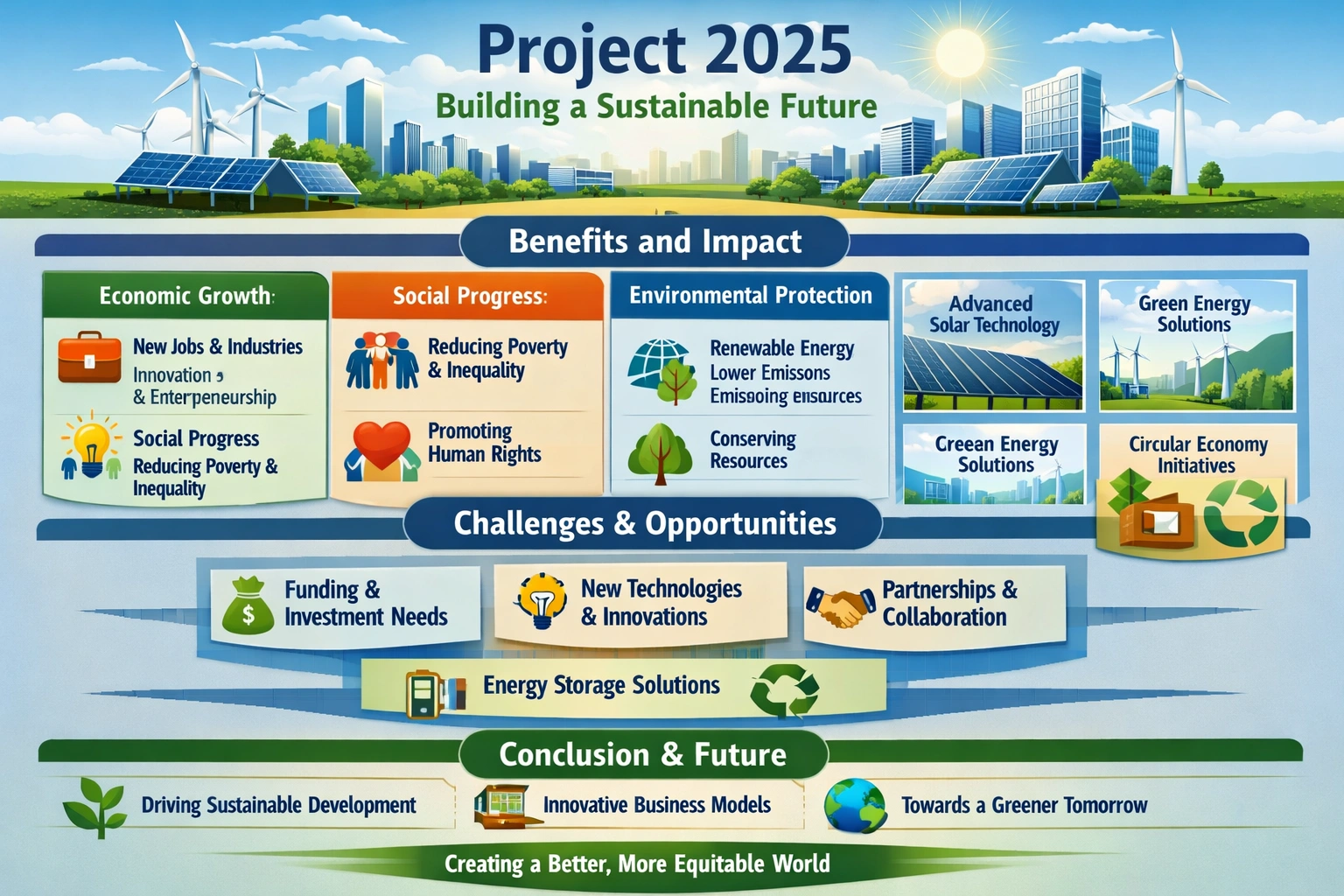 Project 2025 has a number of benefits and impacts that are driving its success. The project's economic benefits include the creation of new jobs and industries, the stimulation of economic growth, and the promotion of innovation and entrepreneurship. The project's social benefits include the promotion of social and environmental responsibility, the reduction of poverty and inequality, and the promotion of human rights and dignity.
The project's environmental benefits include the reduction of greenhouse gas emissions, the promotion of renewable energy sources, and the protection of natural resources and ecosystems. The project's stakeholders are working to develop new technologies and solutions that reduce waste and promote energy efficiency, promoting a more sustainable and equitable future.
For example, the project's focus on renewable energy has led to the development of new solar and wind power technologies that are more efficient and cost-effective than existing technologies. One organization participating in the project has developed a new solar panel technology that is made from recycled materials, reducing the environmental impact of the technology and promoting a more circular economy.
The project's stakeholders are also working to develop new business models that promote social and environmental responsibility. For instance, the project has developed a new business model that promotes the use of sharing economies, reducing the amount of waste and promoting more sustainable consumption patterns. This is just one example of the many innovative solutions that are being developed through Project 2025.
Project 2025 has a number of benefits and impacts that are driving its success. The project's economic benefits include the creation of new jobs and industries, the stimulation of economic growth, and the promotion of innovation and entrepreneurship. The project's social benefits include the promotion of social and environmental responsibility, the reduction of poverty and inequality, and the promotion of human rights and dignity.
The project's environmental benefits include the reduction of greenhouse gas emissions, the promotion of renewable energy sources, and the protection of natural resources and ecosystems. The project's stakeholders are working to develop new technologies and solutions that reduce waste and promote energy efficiency, promoting a more sustainable and equitable future.
For example, the project's focus on renewable energy has led to the development of new solar and wind power technologies that are more efficient and cost-effective than existing technologies. One organization participating in the project has developed a new solar panel technology that is made from recycled materials, reducing the environmental impact of the technology and promoting a more circular economy.
The project's stakeholders are also working to develop new business models that promote social and environmental responsibility. For instance, the project has developed a new business model that promotes the use of sharing economies, reducing the amount of waste and promoting more sustainable consumption patterns. This is just one example of the many innovative solutions that are being developed through Project 2025.
Challenges and Opportunities of Project 2025
Project 2025 faces a number of challenges and opportunities that are driving its success. The project's stakeholders are working to overcome a number of challenges, including the need for greater investment and funding, the development of new technologies and solutions, and the promotion of social and environmental responsibility. Despite these challenges, the project also has a number of opportunities for growth and development. The project's stakeholders are working to develop new partnerships and collaborations, both within and outside the project, to share knowledge, expertise, and resources. The project is also working to develop new business models and technologies that promote social and environmental responsibility, driving innovation and progress. For example, the project's focus on social and environmental responsibility has led to the development of new business models that promote the use of circular economy principles and the development of sharing economies. One organization participating in the project has developed a new business model that promotes the use of recycled materials, reducing the amount of waste and promoting more sustainable consumption patterns. The project's stakeholders are also working to develop new technologies that promote energy efficiency and reduce waste. For instance, the project has developed a new energy storage system that allows for the efficient storage and release of energy, promoting the use of renewable energy sources. This is just one example of the many innovative solutions that are being developed through Project 2025.Conclusion and Future of Project 2025
Project 2025 is a comprehensive initiative that aims to drive growth, innovation, and sustainability in various sectors. The project's goals, timeline, and stakeholders are all working together to achieve a more sustainable and equitable future. The project's history, key components, and benefits are all driving its success, and the project's challenges and opportunities are providing a number of opportunities for growth and development. As the project moves forward, its stakeholders will continue to work together to develop new technologies and solutions that promote social and environmental responsibility. The project will also continue to develop new business models and partnerships that drive innovation and progress, promoting a more sustainable and equitable future. For example, the project's focus on social and environmental responsibility has led to the development of new business models that promote the use of circular economy principles and the development of sharing economies. One organization participating in the project has developed a new business model that promotes the use of recycled materials, reducing the amount of waste and promoting more sustainable consumption patterns. The project's stakeholders are also working to develop new technologies that promote energy efficiency and reduce waste. For instance, the project has developed a new energy storage system that allows for the efficient storage and release of energy, promoting the use of renewable energy sources. This is just one example of the many innovative solutions that are being developed through Project 2025.Key Takeaways
The key takeaway from this article is that Project 2025 is a comprehensive initiative that aims to drive growth, innovation, and sustainability in various sectors. The project's goals, timeline, and stakeholders are all working together to achieve a more sustainable and equitable future. As you consider your organization's strategy for the next few years, you should ask yourself: what role can your organization play in driving the success of Project 2025, and what benefits can your organization gain from participating in this initiative? By understanding the project's history, key components, and benefits, you can make informed decisions about your organization's participation and develop strategies to drive innovation and progress. You can also learn from the project's challenges and opportunities, and develop new partnerships and collaborations to share knowledge, expertise, and resources.Frequently Asked Questions
What is Project 2025?
Project 2025 is a visionary project aimed at creating a sustainable and innovative future
What are the project's goals and objectives?
The project's goals and objectives include creating a sustainable and innovative future, and promoting economic, social, and environmental benefits
Related Articles
Virtual Reality in Business
Imagine walking into a conference room, putting on a headset, and suddenly finding yourself standing in the middle of a bustling city, surrounded by towering skyscrapers and the sounds of traffic. This is not a scene from a science fiction movie, but a real-life example of how virtual reality (VR)...
Midjourney vs DALL-E: AI Image Generation Comparison
Imagine being able to generate stunning, high-quality images with just a few clicks of a button. Sounds like science fiction, right? But with the advent of AI image generation, this is now a reality. You can create breathtaking art, design stunning visuals, and even generate images for marketing a...
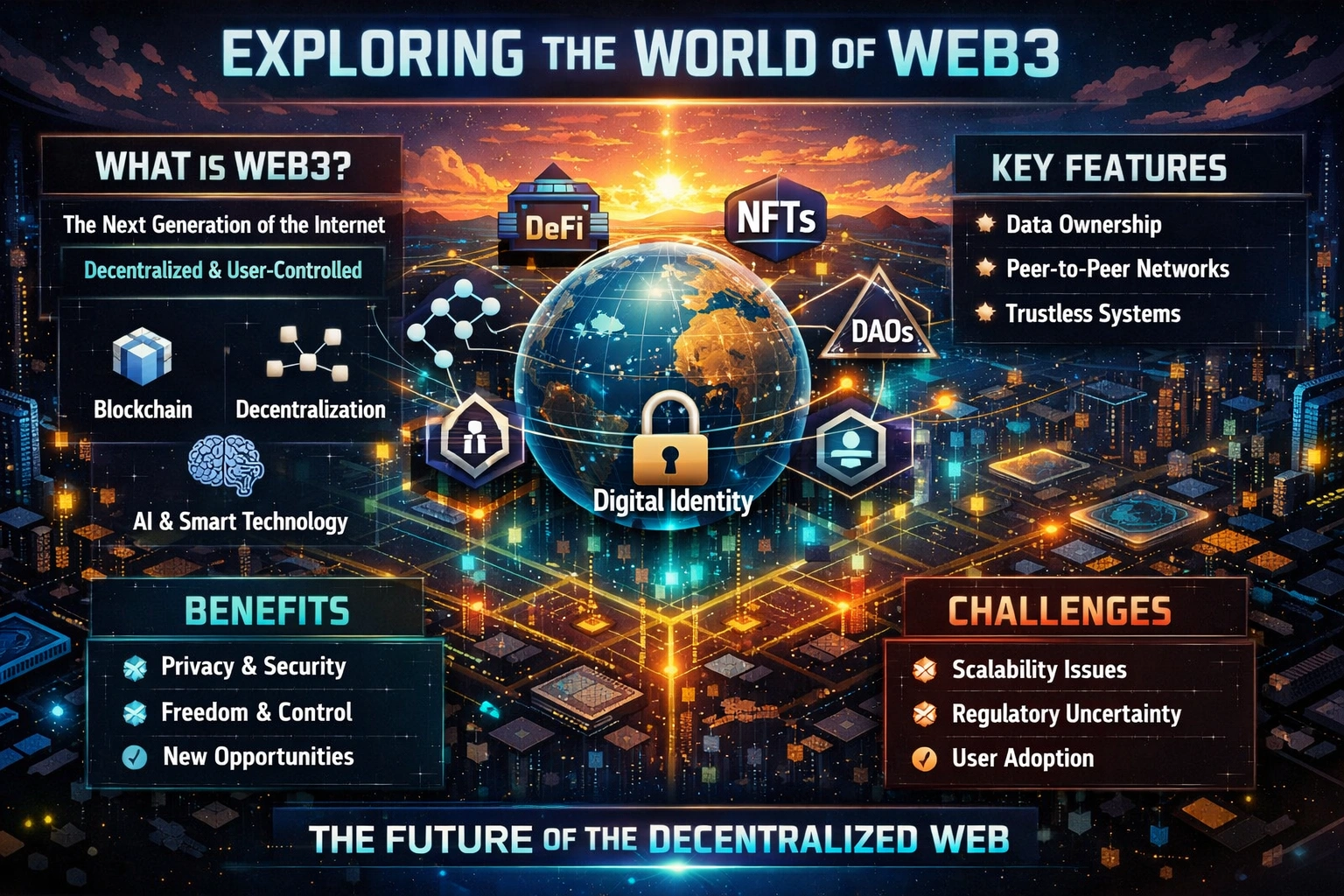
What is Web3
Imagine a version of the internet where you have complete control over your personal data, and you're not at the mercy of giant corporations. Sounds like a utopia, right? Well, this is exactly what Web3 promises to deliver. As you read this, you might be wondering what Web3 is and how it's going t...
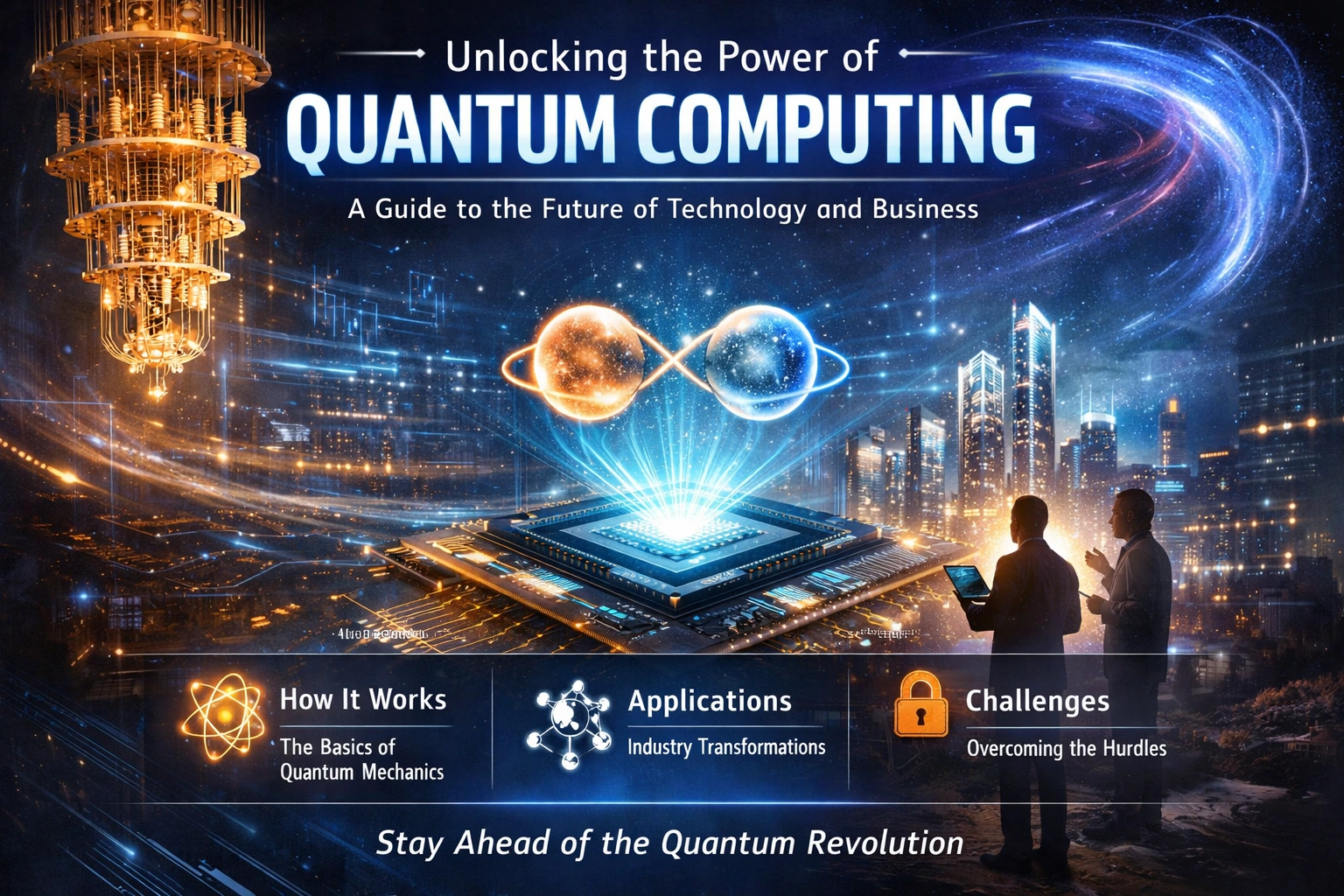
Quantum Computing Explained
Imagine a world where complex problems can be solved at an unprecedented speed, and your business can stay ahead of the competition. Quantum computing has the potential to revolutionize various industries, and you can be at the forefront of this revolution. As you explore the world of quantum comp...