Quantum Computing Explained
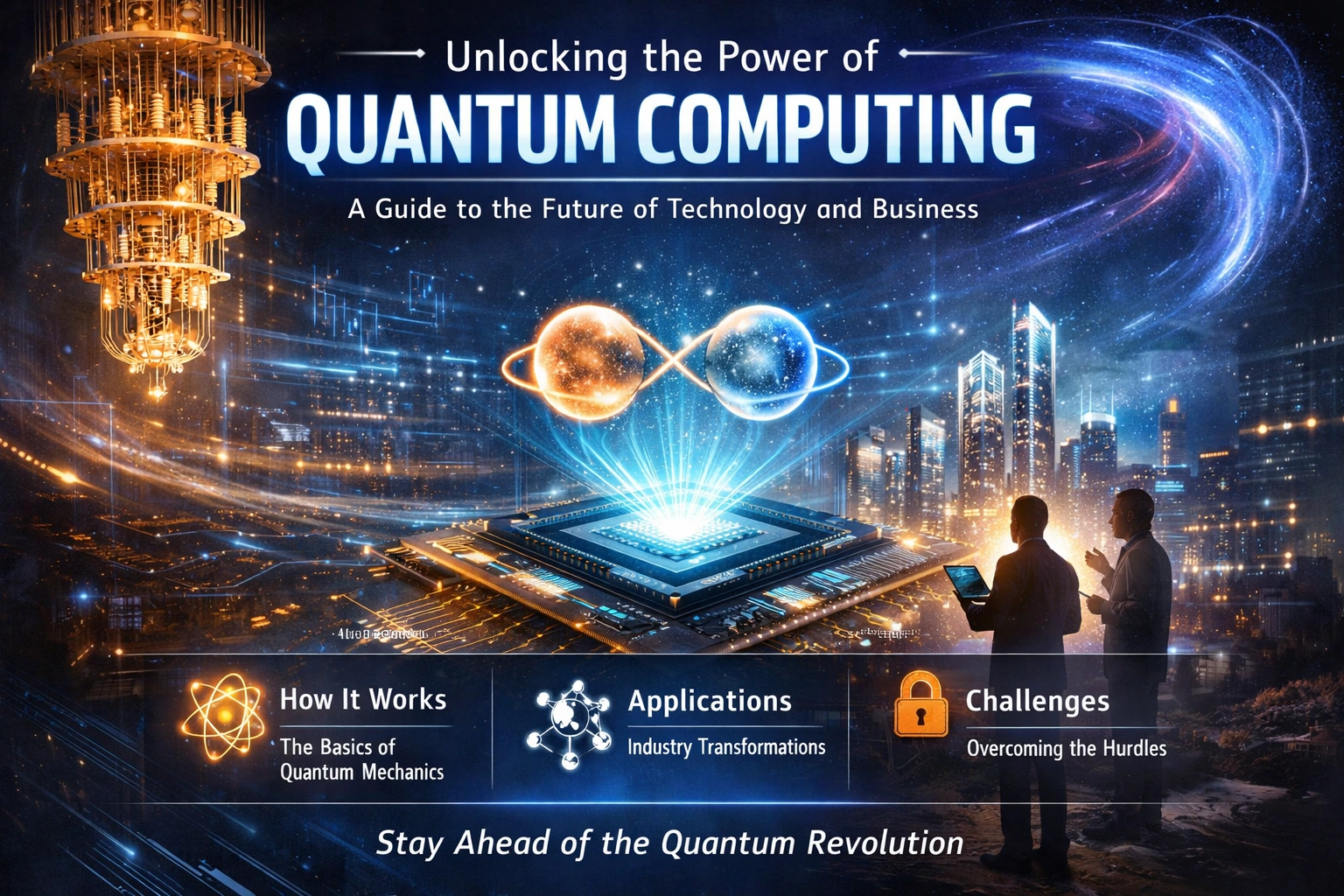
Imagine a world where complex problems can be solved at an unprecedented speed, and your business can stay ahead of the competition. Quantum computing has the potential to revolutionize various industries, and you can be at the forefront of this revolution. As you explore the world of quantum comp...
Introduction to Quantum Computing
Quantum computing is a type of computing that uses the principles of quantum mechanics to perform calculations and operations on data. This is different from classical computing, which uses bits to represent information as either 0 or 1. Quantum computing, on the other hand, uses quantum bits or qubits, which can exist in multiple states simultaneously. The history of quantum computing dates back to the 1980s, when physicist Richard Feynman proposed the idea of a quantum computer. Since then, significant advancements have been made, and today, quantum computing is being explored by various organizations and researchers around the world. One of the key features of quantum computing is its ability to process vast amounts of data simultaneously, making it an ideal solution for complex problems. For example, Google's quantum computer was able to perform a complex calculation in just 200 seconds, which would have taken a classical computer approximately 10,000 years to complete. This demonstrates the immense power of quantum computing and its potential to solve complex problems that are currently unsolvable with classical computers. As you explore the world of quantum computing, you will discover that it has the potential to revolutionize various industries, including finance, healthcare, and transportation. For instance, quantum computers can be used to optimize complex systems, such as traffic flow or logistics, leading to increased efficiency and reduced costs. Additionally, quantum computers can be used to simulate complex systems, such as molecules or materials, leading to breakthroughs in fields like medicine and materials science.How Quantum Computing Works
Quantum computing works by using quantum bits or qubits to represent information. Qubits are unique in that they can exist in multiple states simultaneously, which is known as superposition. This means that a qubit can represent both 0 and 1 at the same time, allowing for the processing of vast amounts of data simultaneously. Additionally, qubits can become entangled, which means that the state of one qubit is dependent on the state of another qubit, even if they are separated by large distances. The process of quantum computing involves several steps, including qubit initialization, quantum gate operations, and measurement. Qubit initialization involves preparing the qubits in a specific state, while quantum gate operations involve applying quantum gates to the qubits to perform calculations. Finally, measurement involves measuring the state of the qubits to obtain the results of the calculation. For example, IBM's quantum computer uses a process called quantum circuit synthesis to compile quantum algorithms into a series of quantum gate operations. This process involves breaking down the quantum algorithm into smaller components, called quantum circuits, and then optimizing the quantum circuits to minimize the number of quantum gate operations required. By optimizing the quantum circuits, IBM's quantum computer can perform complex calculations more efficiently and accurately.Quantum Computing Applications
Quantum computing has a wide range of applications, including cryptography and cybersecurity, artificial intelligence and machine learning, and optimization and simulation. In cryptography and cybersecurity, quantum computers can be used to break certain types of encryption, but they can also be used to create new, quantum-resistant encryption methods. For example, Google's quantum computer has been used to demonstrate the feasibility of quantum key distribution, a method of secure communication that uses quantum mechanics to encode and decode messages. In artificial intelligence and machine learning, quantum computers can be used to speed up certain types of calculations, such as linear algebra operations and optimization problems. For example, Microsoft's quantum computer has been used to demonstrate the feasibility of quantum machine learning, a method of machine learning that uses quantum computers to speed up certain types of calculations. Additionally, quantum computers can be used to optimize complex systems, such as logistics and supply chain management. For example, UPS has partnered with Microsoft to use quantum computers to optimize its logistics and supply chain management. By using quantum computers to optimize its routes and schedules, UPS can reduce its costs and improve its efficiency.Quantum Computing Challenges and Limitations
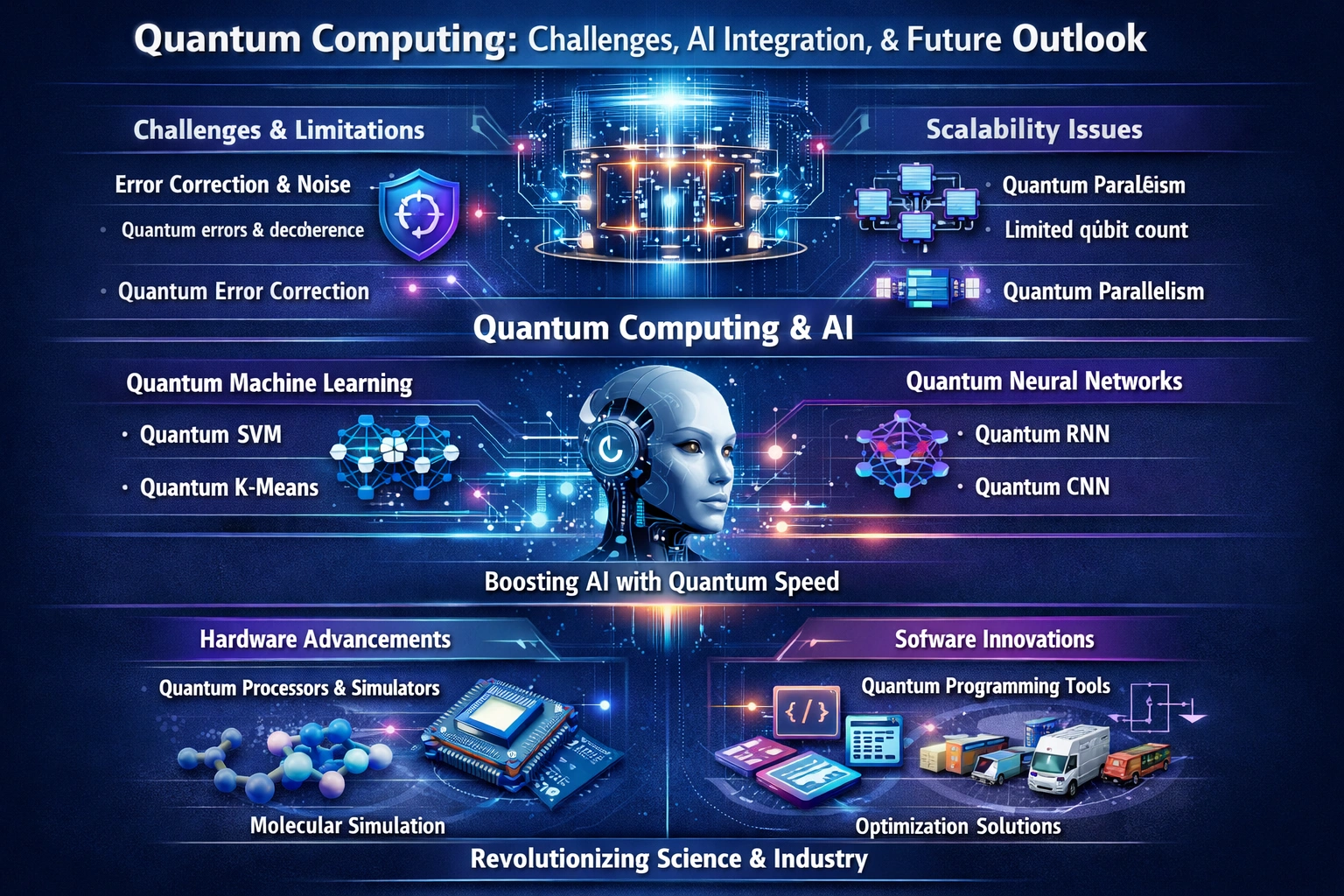 Despite the potential of quantum computing, there are several challenges and limitations that must be addressed. One of the main challenges is error correction and noise reduction. Quantum computers are prone to errors due to the noisy nature of quantum mechanics, and these errors can quickly accumulate and destroy the fragile quantum states required for quantum computing. To address this challenge, researchers are developing new methods of error correction and noise reduction, such as quantum error correction codes and noise reduction algorithms.
Another challenge is quantum computing scalability. Currently, most quantum computers are small-scale and can only perform a limited number of calculations. To address this challenge, researchers are developing new methods of quantum computing scalability, such as quantum parallelism and distributed quantum computing.
For example, Google's quantum computer has demonstrated the feasibility of quantum parallelism, a method of scaling up quantum computers by using multiple quantum processors in parallel. By using quantum parallelism, Google's quantum computer can perform complex calculations more efficiently and accurately.
Despite the potential of quantum computing, there are several challenges and limitations that must be addressed. One of the main challenges is error correction and noise reduction. Quantum computers are prone to errors due to the noisy nature of quantum mechanics, and these errors can quickly accumulate and destroy the fragile quantum states required for quantum computing. To address this challenge, researchers are developing new methods of error correction and noise reduction, such as quantum error correction codes and noise reduction algorithms.
Another challenge is quantum computing scalability. Currently, most quantum computers are small-scale and can only perform a limited number of calculations. To address this challenge, researchers are developing new methods of quantum computing scalability, such as quantum parallelism and distributed quantum computing.
For example, Google's quantum computer has demonstrated the feasibility of quantum parallelism, a method of scaling up quantum computers by using multiple quantum processors in parallel. By using quantum parallelism, Google's quantum computer can perform complex calculations more efficiently and accurately.
Quantum Computing and Artificial Intelligence
Quantum computing and artificial intelligence are two rapidly advancing fields that are closely related. Quantum machine learning is a method of machine learning that uses quantum computers to speed up certain types of calculations. For example, quantum support vector machines and quantum k-means clustering are two types of quantum machine learning algorithms that have been demonstrated to be more efficient than their classical counterparts. Quantum neural networks are another area of research that combines quantum computing and artificial intelligence. Quantum neural networks are a type of neural network that uses quantum computers to speed up certain types of calculations. For example, quantum recurrent neural networks and quantum convolutional neural networks are two types of quantum neural networks that have been demonstrated to be more efficient than their classical counterparts. For instance, Microsoft's quantum computer has been used to demonstrate the feasibility of quantum machine learning for image recognition. By using quantum computers to speed up certain types of calculations, Microsoft's quantum computer can recognize images more efficiently and accurately.The Future of Quantum Computing
The future of quantum computing is exciting and rapidly evolving. As researchers continue to develop new methods and technologies, we can expect to see significant advancements in the field. One area of research that is gaining attention is quantum computing hardware. Companies like Google, Microsoft, and IBM are investing heavily in the development of quantum computing hardware, including quantum processors and quantum simulators. Another area of research that is gaining attention is quantum computing software. Companies like Microsoft and IBM are developing new software frameworks and tools for quantum computing, including quantum programming languages and quantum development kits. These software frameworks and tools will make it easier for developers to build and deploy quantum computing applications. As the field of quantum computing continues to evolve, we can expect to see new and innovative applications emerge. For example, quantum computers could be used to simulate complex systems, such as molecules and materials, leading to breakthroughs in fields like medicine and materials science. Additionally, quantum computers could be used to optimize complex systems, such as logistics and supply chain management, leading to increased efficiency and reduced costs.Key Takeaways
In conclusion, quantum computing is a rapidly evolving field that has the potential to revolutionize various industries. As you explore the world of quantum computing, you will discover the immense power it holds and the numerous applications it has in store. By understanding the basics of quantum computing, its applications, and its challenges, you can make informed decisions about how to use quantum computing to drive innovation and growth in your organization. So, what's the next step for you? Will you be at the forefront of the quantum computing revolution, or will you be left behind? The choice is yours. As you move forward, remember that the future of quantum computing is exciting and rapidly evolving, and you have the power to shape it.Frequently Asked Questions
What is quantum computing?
Quantum computing is a type of computing that uses quantum-mechanical phenomena to perform calculations
How does quantum computing work?
Quantum computing works by using qubits and quantum gates to perform calculations and operations
Related Articles
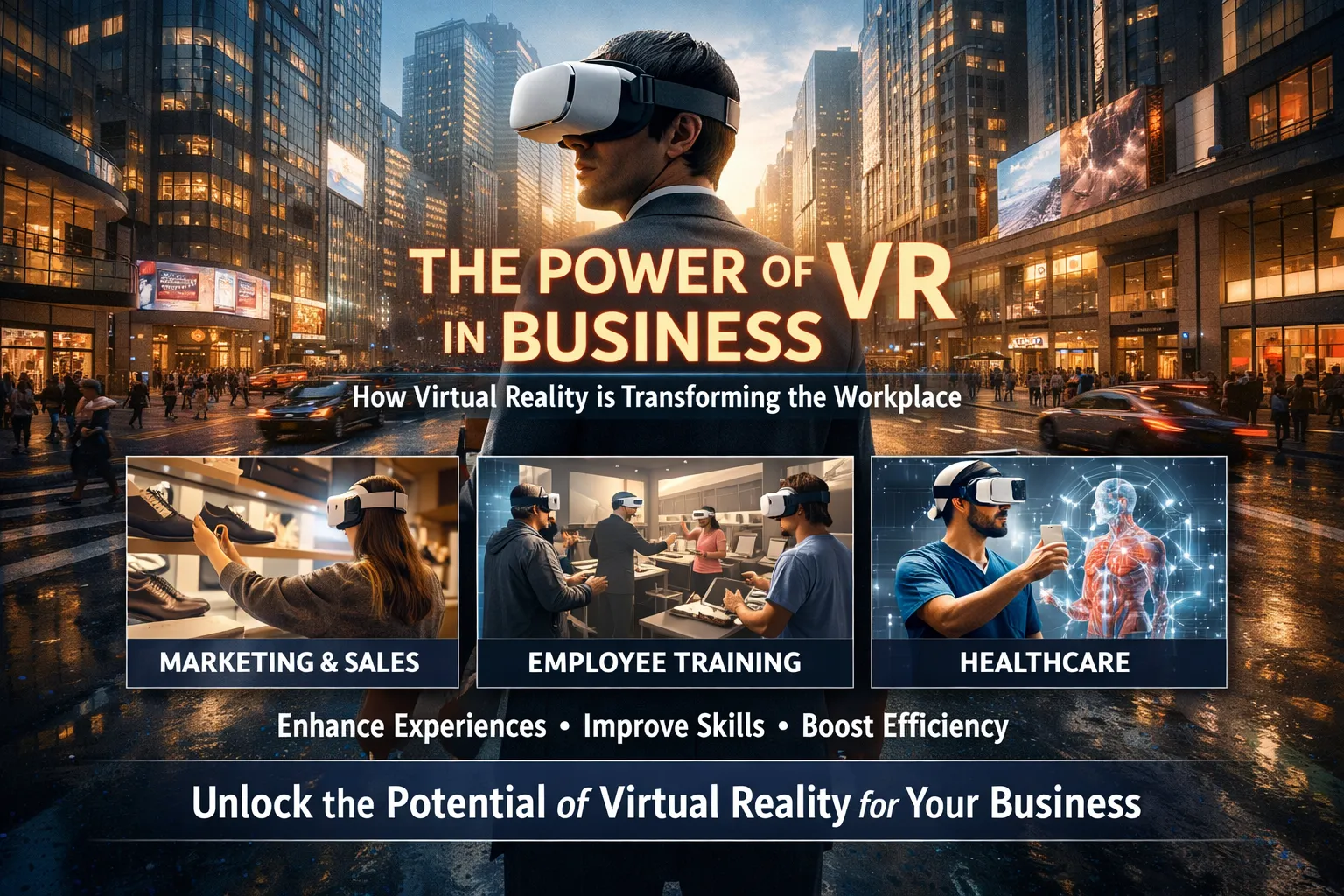
Virtual Reality in Business
Imagine walking into a conference room, putting on a headset, and suddenly finding yourself standing in the middle of a bustling city, surrounded by towering skyscrapers and the sounds of traffic. This is not a scene from a science fiction movie, but a real-life example of how virtual reality (VR)...
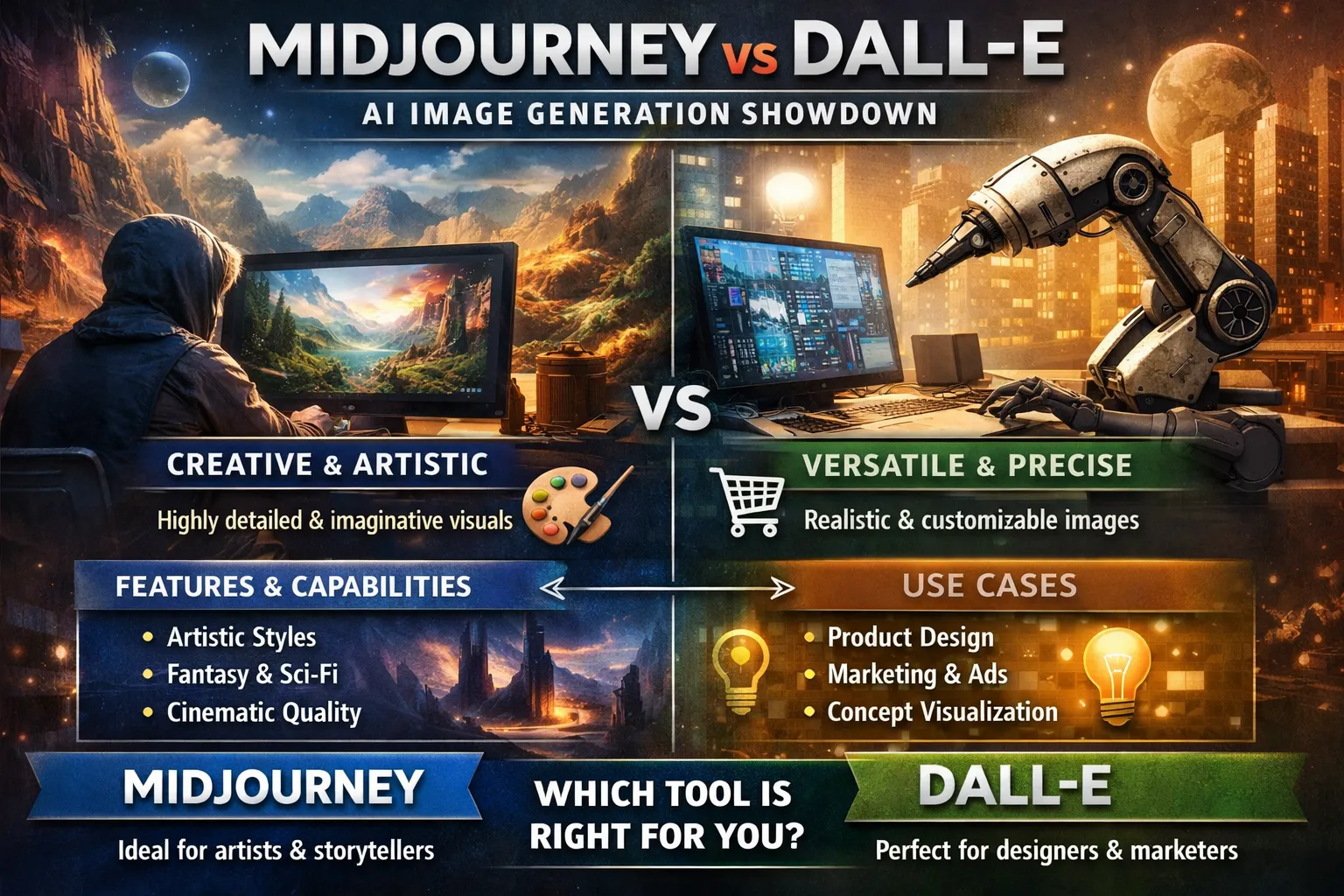
Midjourney vs DALL-E: AI Image Generation Comparison
Imagine being able to generate stunning, high-quality images with just a few clicks of a button. Sounds like science fiction, right? But with the advent of AI image generation, this is now a reality. You can create breathtaking art, design stunning visuals, and even generate images for marketing a...
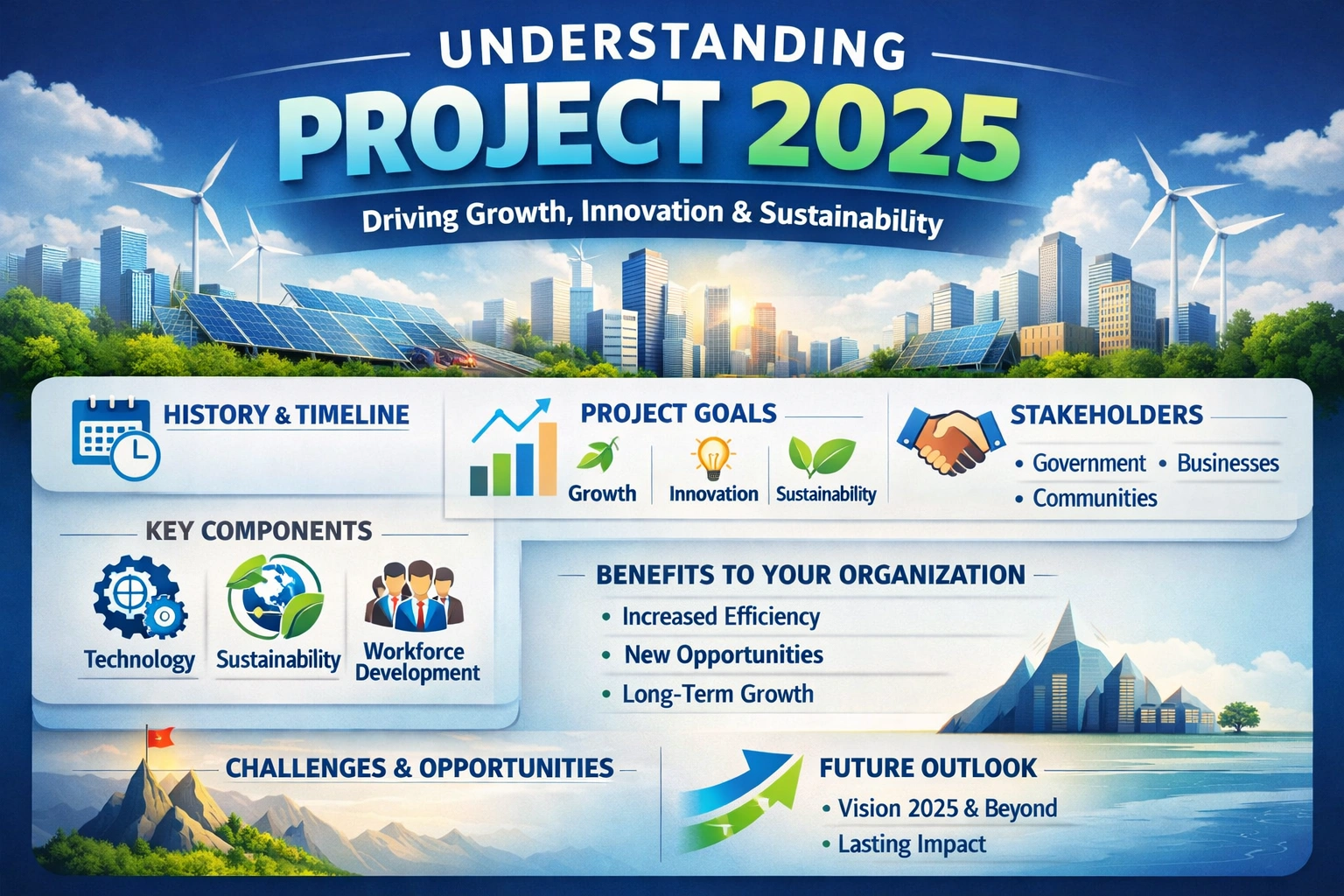
What is Project 2025
As you consider your organization's strategy for the next few years, you may have come across Project 2025, a comprehensive initiative aimed at driving growth, innovation, and sustainability. You might be wondering what this project entails, how it can benefit your organization, and what steps you...
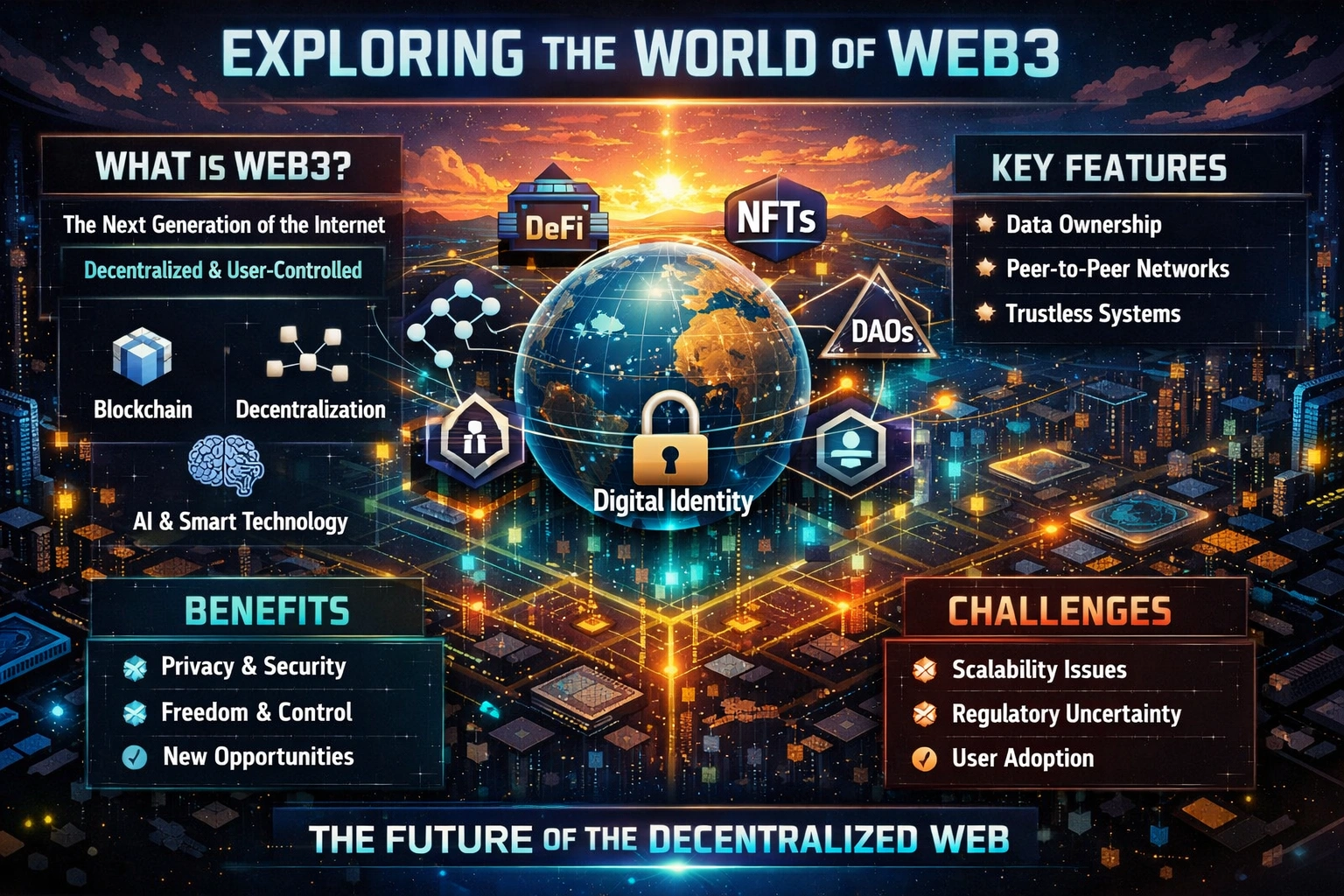
What is Web3
Imagine a version of the internet where you have complete control over your personal data, and you're not at the mercy of giant corporations. Sounds like a utopia, right? Well, this is exactly what Web3 promises to deliver. As you read this, you might be wondering what Web3 is and how it's going t...