What is Web3
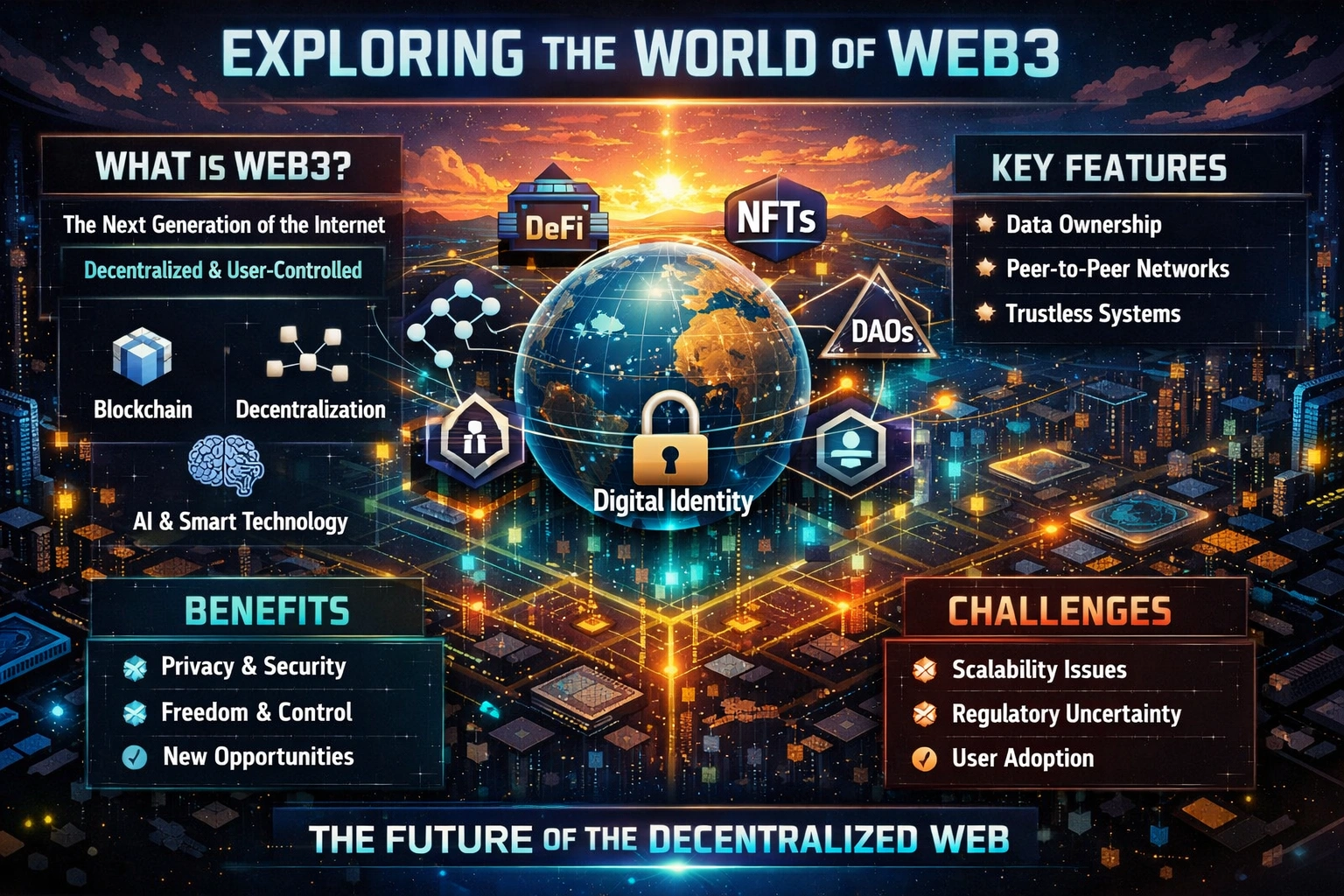
Imagine a version of the internet where you have complete control over your personal data, and you're not at the mercy of giant corporations. Sounds like a utopia, right? Well, this is exactly what Web3 promises to deliver. As you read this, you might be wondering what Web3 is and how it's going t...
Introduction to Web3
So, what is Web3 exactly? I think it's helpful to start with the basics. Web3 refers to a decentralized version of the internet, where data is stored and managed on a network of computers, rather than a single server. This is made possible by blockchain technology, which allows for secure, transparent, and tamper-proof data storage and transmission. But what does this really mean for you? In essence, it means that you have more control over your personal data, and you're not at the mercy of giant corporations that can sell or misuse your data. One of the key benefits of Web3 is its security features. Because data is stored on a decentralized network, it's much harder for hackers to access and manipulate. This is especially important in today's digital age, where cybersecurity threats are becoming increasingly common. For example, consider the case of the Equifax breach, where millions of people's personal data was compromised due to a single vulnerability in the company's system. With Web3, this type of breach would be much less likely to happen, because the data is spread out across a network of computers, making it much harder to access. Another important aspect of Web3 is its potential for autonomy. Because data is stored on a decentralized network, it's possible for users to have more control over their own data, and to make decisions about how it's used. This is a big deal, because it means that users are no longer at the mercy of corporations that can use their data for profit. For instance, consider the case of social media platforms, which often use user data to target advertisements. With Web3, users could have more control over how their data is used, and could even choose to sell their own data to companies that want to use it.History and Evolution of Web3
To understand where Web3 is going, it's helpful to look at where it's been. The concept of Web3 has its roots in the early days of the internet, when Tim Berners-Lee first proposed the idea of a decentralized network of computers. This was back in the days of Web1, when the internet was still in its infancy. Web1 was characterized by static web pages, where users could only read information, but not interact with it. Fast forward to Web2, and things started to get more interesting. Web2 was all about interactivity, with the rise of social media, blogs, and other platforms that allowed users to create and share content. But Web2 also had its downsides, with the rise of giant corporations that started to dominate the internet landscape. These corporations often prioritized profit over user privacy and autonomy, which is where Web3 comes in. I think it's interesting to note that the concept of Web3 has been around for a while, but it's only recently started to gain traction. This is due in part to the rise of blockchain technology, which has made it possible to build decentralized networks that are secure, transparent, and tamper-proof. For example, consider the case of Bitcoin, which was one of the first decentralized currencies to gain widespread adoption. Bitcoin showed that it was possible to build a decentralized network that could be used for financial transactions, and this paved the way for the development of other Web3 technologies.Key Features of Web3
So, what are the key features of Web3? I think it's helpful to start with decentralization, which is the idea that data is stored and managed on a network of computers, rather than a single server. This provides a number of benefits, including increased security, autonomy, and transparency. For instance, consider the case of decentralized finance, where users can lend and borrow money without the need for intermediaries like banks. Another important feature of Web3 is autonomy, which is the idea that users have control over their own data and can make decisions about how it's used. This is a big deal, because it means that users are no longer at the mercy of corporations that can use their data for profit. For example, consider the case of personal data management, where users can choose to sell their own data to companies that want to use it. Artificial intelligence is also playing a big role in the development of Web3. I think it's interesting to note that AI can be used to analyze and understand the vast amounts of data that are generated on the internet, and to make predictions about user behavior. For instance, consider the case of recommendation engines, which use AI to suggest products or content to users based on their past behavior. With Web3, these types of engines could be built in a decentralized way, so that users have more control over their own data and can make decisions about how it's used.Applications and Use Cases of Web3
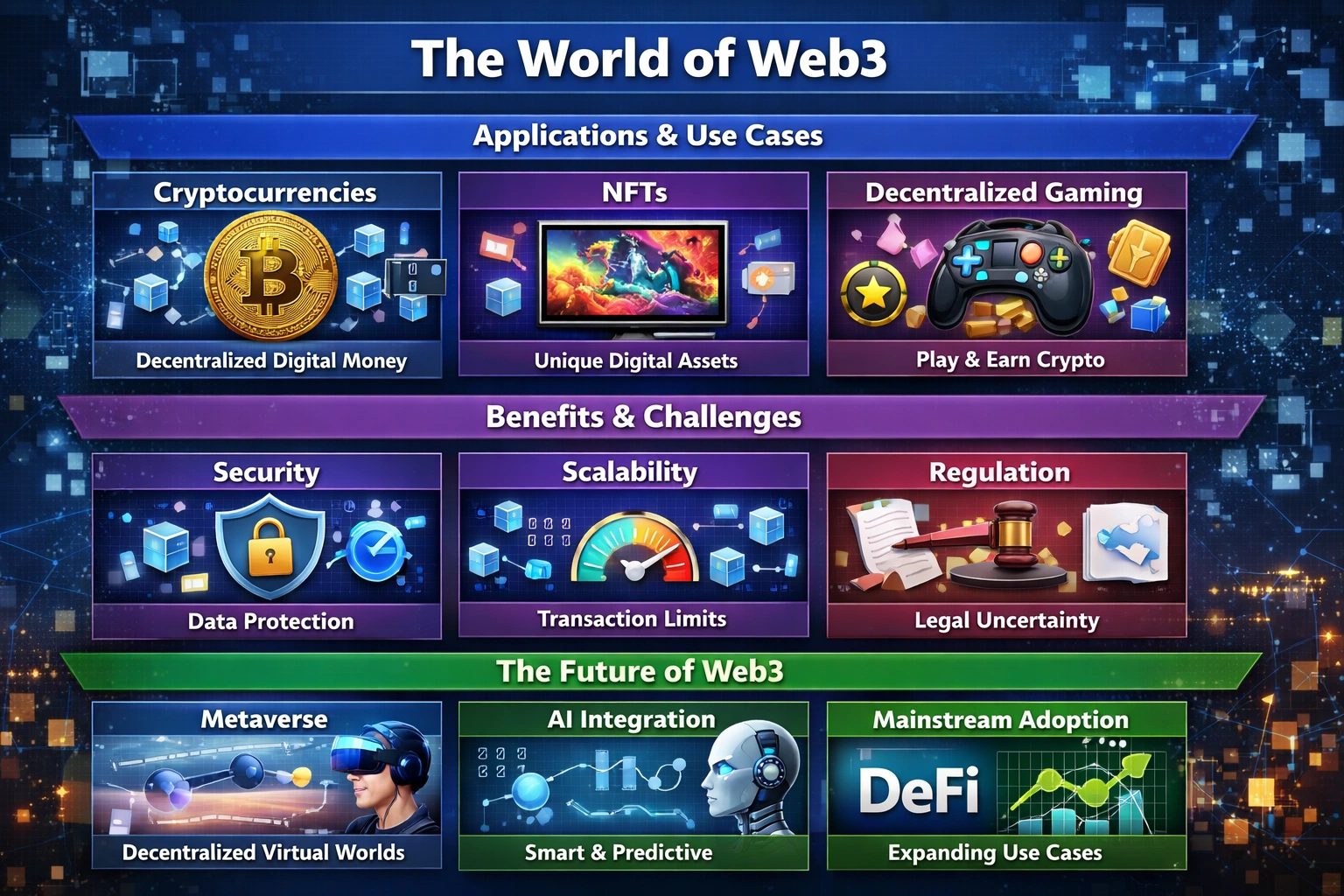 So, what are some of the applications and use cases of Web3? I think it's helpful to start with cryptocurrencies, which are decentralized currencies that use blockchain technology to secure and verify transactions. For example, consider the case of Bitcoin, which was one of the first decentralized currencies to gain widespread adoption. Bitcoin showed that it was possible to build a decentralized network that could be used for financial transactions, and this paved the way for the development of other Web3 technologies.
Another important application of Web3 is non-fungible tokens, or NFTs. These are unique digital assets that can be bought, sold, and traded like other commodities. For instance, consider the case of digital art, where artists can create unique digital artworks that can be sold and traded on online marketplaces. With Web3, these types of marketplaces could be built in a decentralized way, so that artists have more control over their own work and can make decisions about how it's used.
Gaming is also a big area where Web3 is being applied. I think it's interesting to note that Web3 can be used to create decentralized gaming platforms, where users can play games and interact with each other in a more secure and transparent way. For example, consider the case of decentralized gaming platforms, where users can play games and earn rewards in the form of cryptocurrencies or NFTs.
So, what are some of the applications and use cases of Web3? I think it's helpful to start with cryptocurrencies, which are decentralized currencies that use blockchain technology to secure and verify transactions. For example, consider the case of Bitcoin, which was one of the first decentralized currencies to gain widespread adoption. Bitcoin showed that it was possible to build a decentralized network that could be used for financial transactions, and this paved the way for the development of other Web3 technologies.
Another important application of Web3 is non-fungible tokens, or NFTs. These are unique digital assets that can be bought, sold, and traded like other commodities. For instance, consider the case of digital art, where artists can create unique digital artworks that can be sold and traded on online marketplaces. With Web3, these types of marketplaces could be built in a decentralized way, so that artists have more control over their own work and can make decisions about how it's used.
Gaming is also a big area where Web3 is being applied. I think it's interesting to note that Web3 can be used to create decentralized gaming platforms, where users can play games and interact with each other in a more secure and transparent way. For example, consider the case of decentralized gaming platforms, where users can play games and earn rewards in the form of cryptocurrencies or NFTs.
Benefits and Challenges of Web3
So, what are the benefits and challenges of Web3? I think it's helpful to start with security, which is one of the biggest benefits of Web3. Because data is stored on a decentralized network, it's much harder for hackers to access and manipulate. For instance, consider the case of cybersecurity threats, which are becoming increasingly common in today's digital age. With Web3, these types of threats could be mitigated, because the data is spread out across a network of computers, making it much harder to access. Scalability is also a big challenge for Web3. I think it's interesting to note that decentralized networks can be slower and more cumbersome than centralized ones, which can make it harder to scale. For example, consider the case of blockchain scalability, where the number of transactions that can be processed per second is limited. This can make it harder to build decentralized applications that can handle a large number of users. Regulation is another big challenge for Web3. I think it's helpful to note that governments and regulatory bodies are still trying to figure out how to regulate decentralized networks, which can make it harder to build and deploy Web3 applications. For instance, consider the case of cryptocurrency regulation, where governments are still trying to decide how to regulate the use of decentralized currencies. With Web3, these types of regulatory challenges could be mitigated, because the networks are decentralized and transparent.The Future of Web3
So, what does the future hold for Web3? I think it's helpful to start with the metaverse, which is a decentralized virtual world that could be built using Web3 technologies. For example, consider the case of decentralized virtual reality, where users can interact with each other in a more immersive and interactive way. With Web3, these types of virtual worlds could be built in a decentralized way, so that users have more control over their own data and can make decisions about how it's used. AI integration is also going to play a big role in the future of Web3. I think it's interesting to note that AI can be used to analyze and understand the vast amounts of data that are generated on the internet, and to make predictions about user behavior. For instance, consider the case of predictive analytics, where AI can be used to predict user behavior and make recommendations. With Web3, these types of analytics could be built in a decentralized way, so that users have more control over their own data and can make decisions about how it's used. Mainstream adoption is also on the horizon for Web3. I think it's helpful to note that more and more people are starting to understand the benefits of decentralized networks, and are looking for ways to build and deploy Web3 applications. For example, consider the case of decentralized finance, where users can lend and borrow money without the need for intermediaries like banks. With Web3, these types of applications could become more widespread, and could potentially disrupt traditional industries like finance and healthcare.Key Takeaways
So, what are the key takeaways from our exploration of Web3? I think it's helpful to summarize the main points, which include the decentralized nature of Web3, its potential for autonomy and security, and its various applications and use cases. As you consider the potential of Web3, I want to leave you with a thought-provoking question: what would you do if you had complete control over your personal data, and could make decisions about how it's used? The answer to this question could be the key to unlocking the full potential of Web3, and to building a more secure, transparent, and decentralized internet. As you move forward, I encourage you to keep exploring the world of Web3, and to stay up-to-date on the latest developments and advancements. With its potential for autonomy, security, and decentralization, Web3 could be the key to building a better internet, and to creating a more equitable and just society. So, what are you waiting for? Join the Web3 revolution, and start building the future of the internet today.Frequently Asked Questions
What is Web3?
Web3 refers to the next generation of the internet, focusing on decentralization, autonomy, and artificial intelligence
How does Web3 work?
Web3 operates on blockchain technology, enabling secure, transparent, and decentralized data management
Related Articles
Virtual Reality in Business
Imagine walking into a conference room, putting on a headset, and suddenly finding yourself standing in the middle of a bustling city, surrounded by towering skyscrapers and the sounds of traffic. This is not a scene from a science fiction movie, but a real-life example of how virtual reality (VR)...
Midjourney vs DALL-E: AI Image Generation Comparison
Imagine being able to generate stunning, high-quality images with just a few clicks of a button. Sounds like science fiction, right? But with the advent of AI image generation, this is now a reality. You can create breathtaking art, design stunning visuals, and even generate images for marketing a...
What is Project 2025
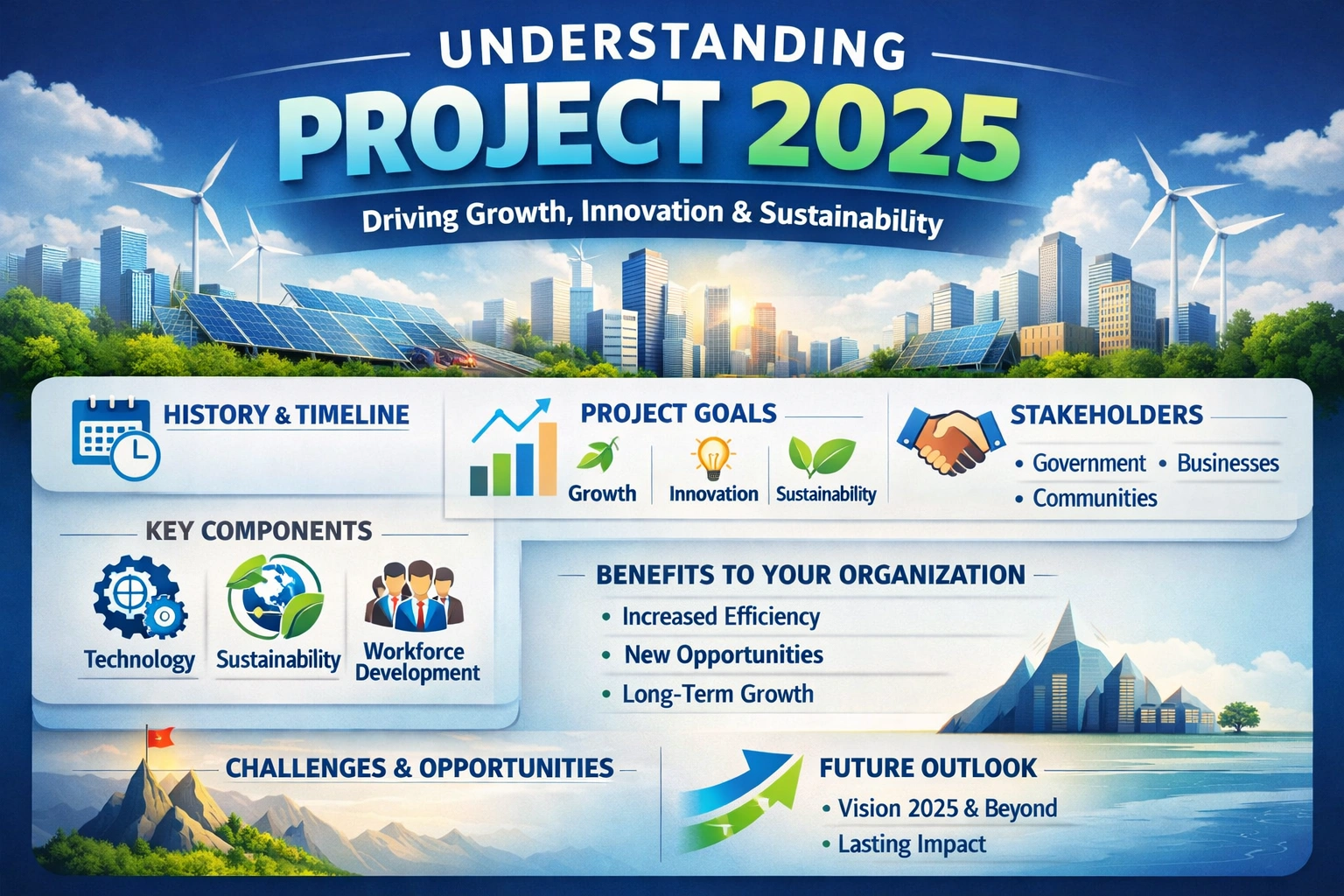
As you consider your organization's strategy for the next few years, you may have come across Project 2025, a comprehensive initiative aimed at driving growth, innovation, and sustainability. You might be wondering what this project entails, how it can benefit your organization, and what steps you...
Quantum Computing Explained
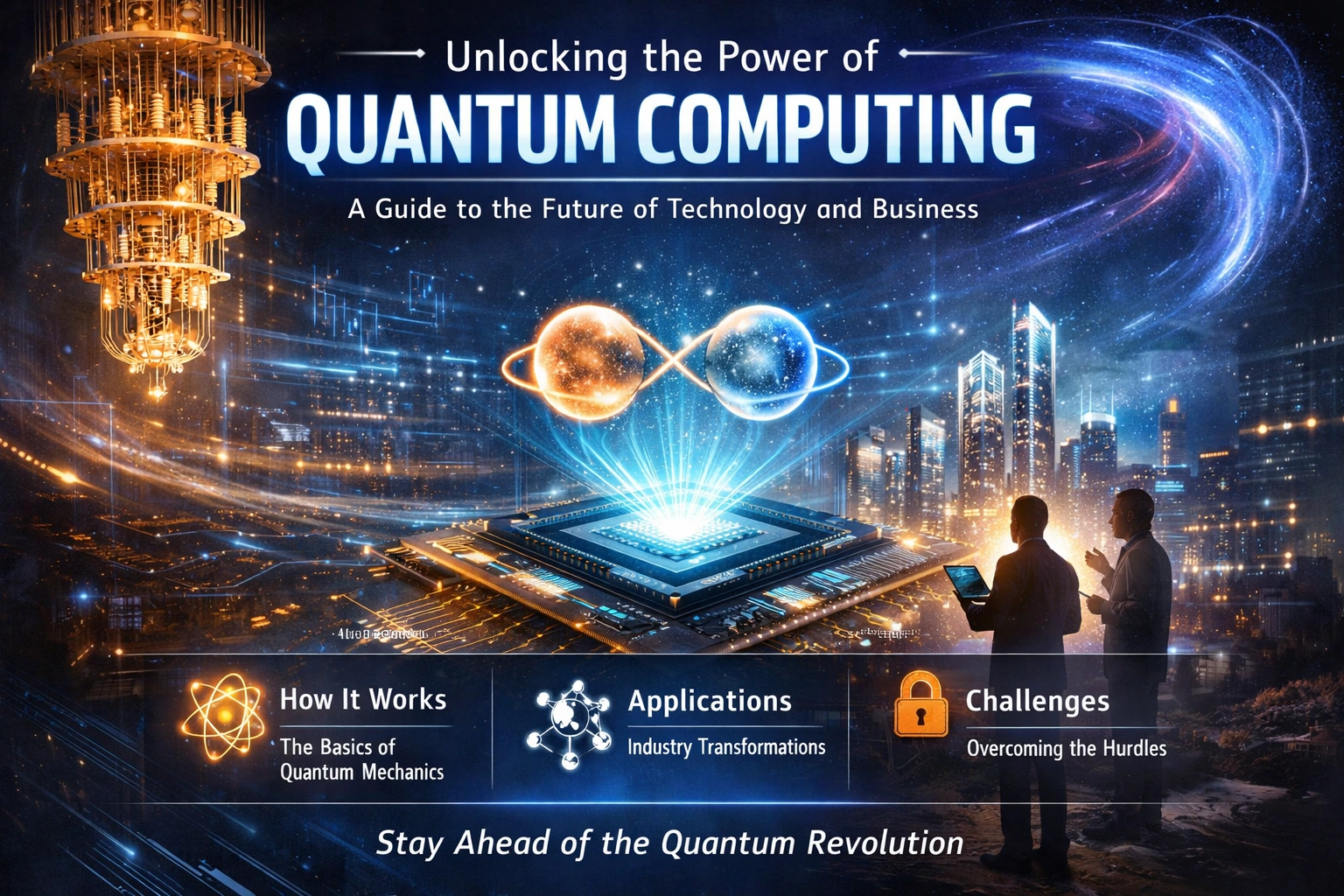
Imagine a world where complex problems can be solved at an unprecedented speed, and your business can stay ahead of the competition. Quantum computing has the potential to revolutionize various industries, and you can be at the forefront of this revolution. As you explore the world of quantum comp...