Road trip guide from Colombo for expats: Driving tips, safety, and local experiences.
## Gearing Up in Colombo: Pre-Trip Essentials for Expats
A great Sri Lankan road trip begins before you even leave Colombo. Proper preparation ensures your journey is smooth, safe, and stress-free. Here’s a simple checklist for expats to get your vehicle and supplies in order.
Your Vehicle and Doc...
A
Admin
Jan 12, 2026
10 views
Share:
## Gearing Up in Colombo: Pre-Trip Essentials for Expats
A great Sri Lankan road trip begins before you even leave Colombo. Proper preparation ensures your journey is smooth, safe, and stress-free. Here’s a simple checklist for expats to get your vehicle and supplies in order.
Your Vehicle and Documents
First, give your car a basic check-up. Look at the tire pressure, oil, and water levels. If you have an older car, it is wise to have a local mechanic inspect the brakes and engine. A well-maintained car is your best friend on winding Hill Country roads.
Next, gather your paperwork. Always keep these documents in your car:
* Your valid driver's license (or International Driving Permit).
* Vehicle registration and revenue license.
* Proof of insurance. If you're unsure about your coverage, it is a good idea to review a vehicle insurance comparison for Sri Lanka to find the best plan.
On-the-Go Kit and Navigation
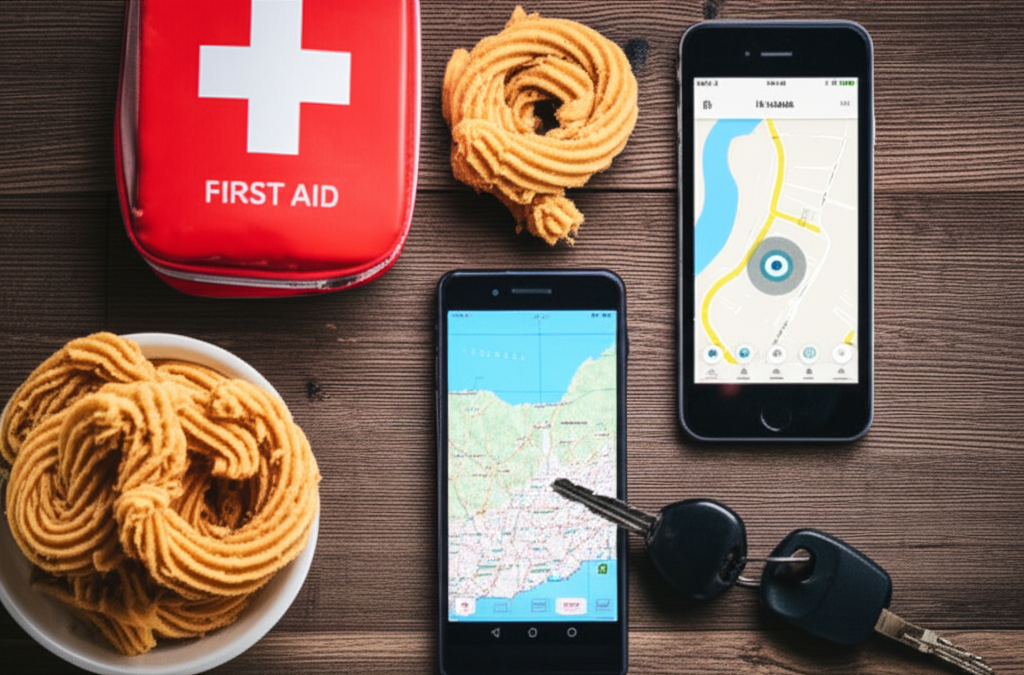
Pack a small bag with essentials. Include a basic first-aid kit, bottled water, snacks, and a power bank for your phone. While credit cards are accepted in larger towns, always carry enough cash (LKR) for tolls, small shops, and food stalls along the way.
For navigation, rely on Google Maps or Waze, but download your route for offline access before you leave Colombo. Mobile data can be patchy in remote areas. Planning your journey ahead also helps you manage your budget. Smart driving habits can make a big difference in how to reduce monthly fuel expenses in Sri Lanka, saving you money for more local experiences.
Navigating Sri Lanka's Roads: Expat Driving Tips & Etiquette
Driving in Sri Lanka is an adventure. For expats used to structured traffic rules, it can seem chaotic at first. However, there is a method to the madness. Understanding the local driving culture is key to a safe and enjoyable road trip from Colombo.
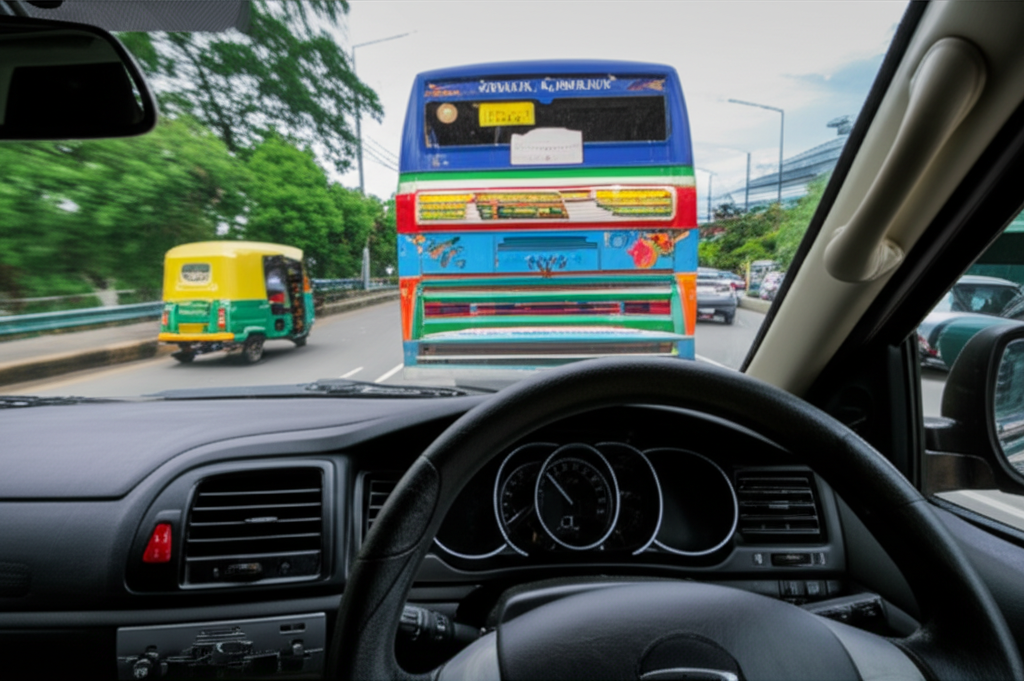
The first thing to learn is that traffic operates on a "flow" system rather than strict lane discipline. Cars, tuk-tuks, motorcycles, and buses all share the road in a fluid, moving puzzle. Your best strategy is to be predictable, stay alert, and go with the flow.
Key Unwritten Rules of the Road:
* The Horn is a Tool, Not an Insult: Unlike in many Western countries, honking is not always aggressive. A short toot is often used to say, “I’m here,” “I’m overtaking,” or simply to alert a pedestrian. Don't be afraid to use your horn to signal your presence.
* Might is Right: Larger vehicles, especially public and private buses, tend to rule the road. They will often pull out without warning, expecting smaller vehicles to make way. It is always safer to yield to them.
* Patience is a Virtue: Rushing is the fastest way to get into trouble. Drive defensively, anticipate sudden stops, and leave plenty of space between you and the vehicle ahead.
* Beware of Common Hazards: Be prepared for pedestrians, stray dogs, and cyclists to appear suddenly, especially on rural roads. Night driving requires extra caution, as many roads are poorly lit and unexpected obstacles are common.
Driving safely also means being prepared. Ensure you have comprehensive vehicle insurance before you hit the road. By adopting smart driving habits, you can also learn how to reduce monthly fuel expenses, making your travels more affordable.
By staying calm and embracing the local driving style, you'll soon navigate the roads like a pro.
Staying Safe and Secure on Your Journey
A road trip across Sri Lanka is a fantastic adventure, but staying safe makes the experience truly enjoyable. A little preparation goes a long way in ensuring a smooth and worry-free journey. Follow these practical tips to protect yourself, your passengers, and your vehicle.
Before You Leave
Vehicle Health Check: Before you start your engine, do a quick check. Make sure your tires have enough air, your brakes are working well, and all your lights function. A full tank of fuel is also a good idea, as gas stations can be far apart in rural areas.
Essential Documents: Keep your driver's license, vehicle registration, and proof of insurance in an easily accessible place. Having comprehensive vehicle insurance is not just a legal requirement but a vital safety net.
Emergency Kit: Pack a small bag with a first-aid kit, a flashlight, a phone power bank, and extra drinking water. These simple items can be very helpful if you face an unexpected delay.
While on the Road
Avoid Night Driving: Driving after dark can be challenging, especially outside of major cities. Roads may be poorly lit, and you might encounter stray animals or pedestrians unexpectedly. Plan to reach your hotel before sunset.
Lock Up and Be Aware: Always lock your car doors, even while driving. When you park, do not leave valuables like laptops, cameras, or wallets visible inside the car. Store them in the trunk or take them with you.
Watch for Wildlife: Sri Lanka is home to beautiful wildlife, which can sometimes wander onto the roads. Be especially careful in areas known for elephants, and drive slowly if you see warning signs.
In case of an emergency, the national emergency police hotline is 119, and the dedicated tourist police hotline is 1912. Planning your trip with an island-wide road trip itinerary can also help you stick to safer and more reliable routes.
## Beyond the Drive: Immersive Local Experiences
A road trip in Sri Lanka is more than just getting from one city to another. The real adventure begins when you pull over and step out of the car. The country’s true charm is found in the small moments and unplanned stops along your journey.
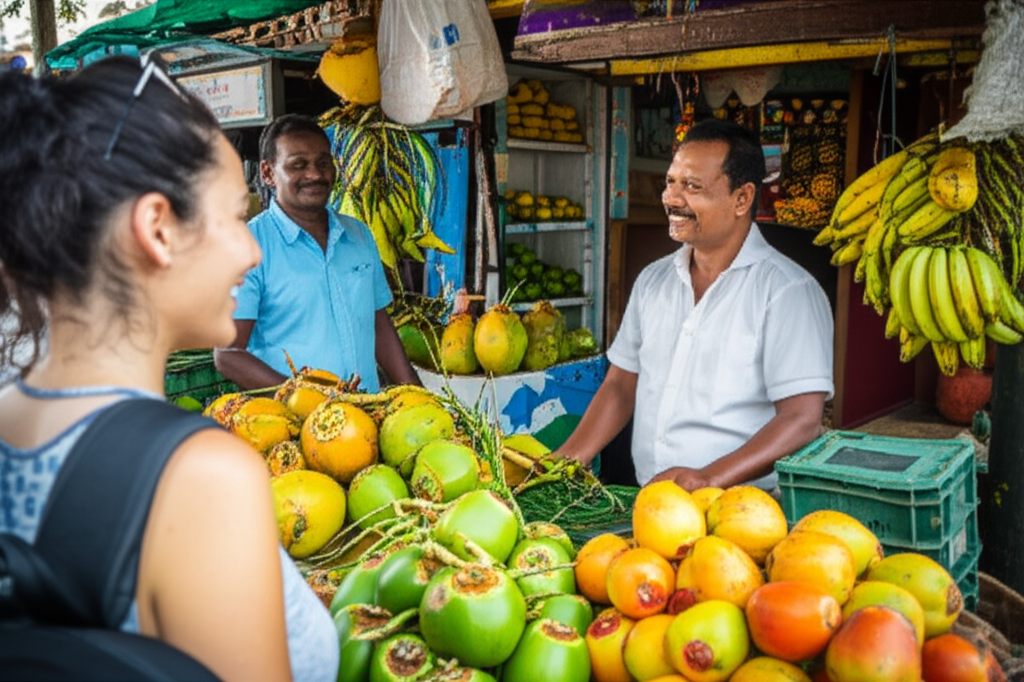
Don't be afraid to try the local food from roadside stalls, known as a 'kade'. This is where you will find some of the most authentic and delicious meals. Grab a warm 'isso vade' (prawn fritter) or stop for a fresh king coconut ('thambili') to stay hydrated. These small interactions give you a real taste of Sri Lankan hospitality.
Visit a bustling village market, or 'pola', to see the colourful variety of local fruits and vegetables. It’s a great way to experience daily life and chat with vendors. You can also visit a local temple, but remember to dress modestly. Covering your shoulders and knees shows respect for the culture.
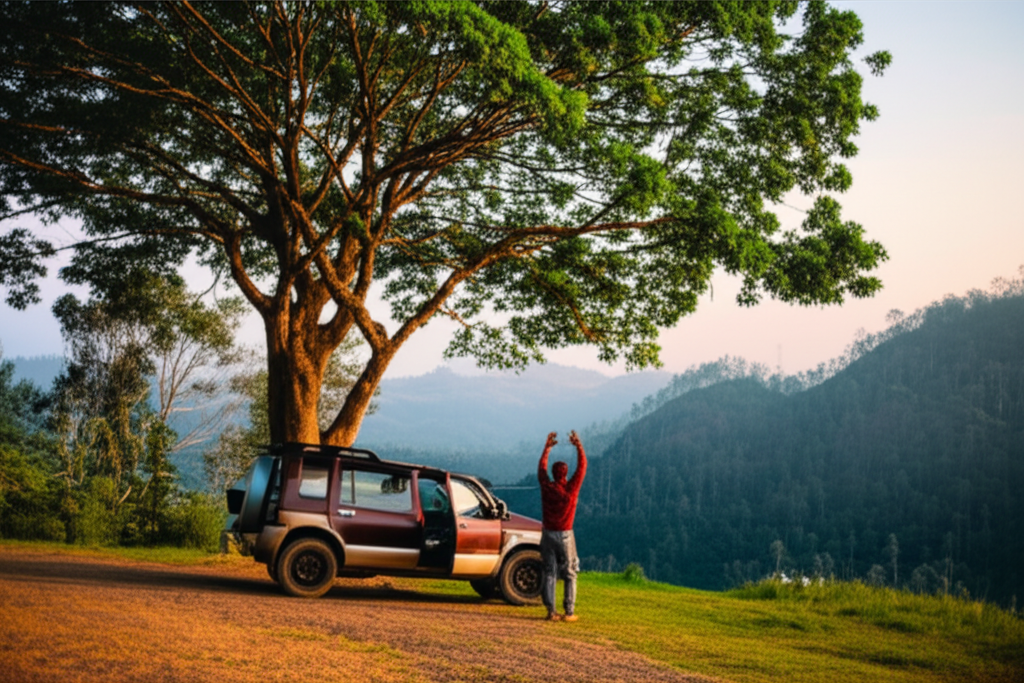
While popular spots are great, the most memorable experiences often happen when you explore lesser-known areas. By venturing off the main roads, you can discover hidden gems in Sri Lanka like secluded waterfalls or quiet villages. Planning your route can help you find these unique spots. For ideas on creating a journey that covers the entire island, check out this guide on a complete island-wide road trip itinerary. These small detours turn a simple drive into an unforgettable cultural experience.
Transport in Sri Lanka - Wikipedia: A comprehensive overview of the country's transportation infrastructure, including its road networks, driving regulations, and cultural context.
Automobile Association of Ceylon (AA Ceylon): The official motoring authority in Sri Lanka, offering services like International Driving Permits (IDP), breakdown assistance, and information on local driving rules.