Best Web Design Companies in Sri Lanka: Awards, Certifications, and What They Actually Mean for Your Project
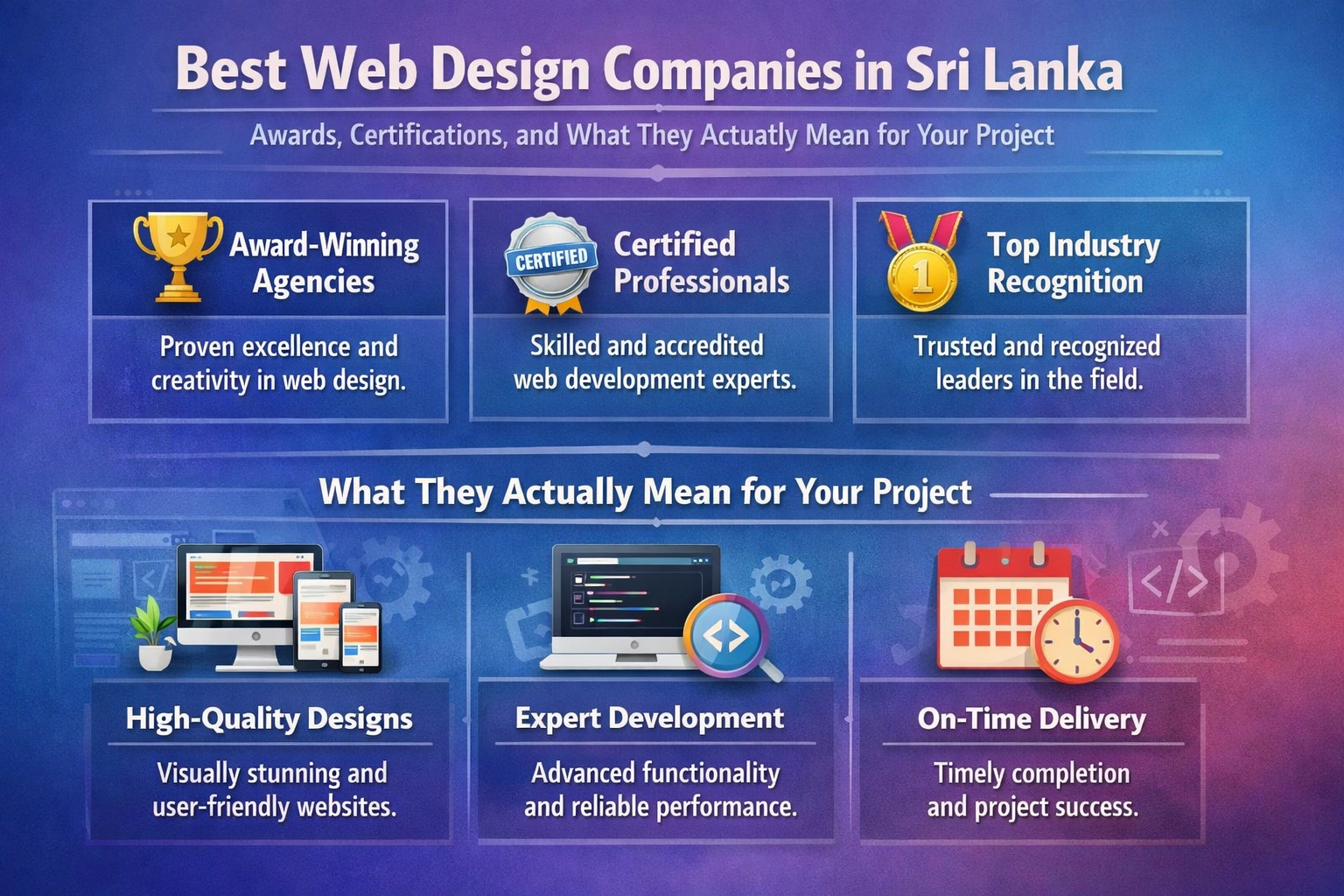
Web design companies frequently display awards, certifications, and recognition badges throughout their websites and proposals. These credentials promise quality assurance and industry standing, but their actual significance varies enormously. Some certifications indicate genuine expertise validate...
Web design companies frequently display awards, certifications, and recognition badges throughout their websites and proposals. These credentials promise quality assurance and industry standing, but their actual significance varies enormously. Some certifications indicate genuine expertise validated through rigorous testing. Others represent pay-to-play arrangements that confer legitimacy without demonstrating capability. Understanding what different credentials actually mean helps you evaluate companies accurately rather than being misled by impressive-sounding but meaningless recognition.
The best web design company in Sri Lanka for your project may or may not hold prominent awards. Credentials provide useful evaluation signals, but they cannot replace direct assessment of portfolio quality, client references, and communication compatibility. Learning to interpret recognition claims accurately adds valuable perspective to your evaluation process without becoming the sole basis for partner selection.
Technology Platform Certifications
Platform certifications from technology providers like Google, Microsoft, WordPress, Shopify, and similar companies represent some of the most meaningful credentials in the industry. These certifications typically require passing examinations that test practical knowledge of specific platforms. The certifying organizations have direct interest in ensuring certified partners can effectively implement their technologies, creating alignment between certification standards and client interests.
Google Partner certifications indicate demonstrated proficiency with Google's advertising and analytics platforms. Achieving partner status requires passing certification exams covering Google Ads, Analytics, and other products while maintaining minimum performance thresholds for managed advertising accounts. Companies holding Google Partner status have proven their team understands these platforms at a professional level, though the certification speaks specifically to advertising rather than broader web design capabilities.
WordPress certifications from organizations like WordPress VIP or through hosting partners indicate specific expertise with the world's most popular content management system. Given WordPress powers a substantial majority of websites globally, expertise in this platform proves relevant for many projects. However, WordPress skill levels vary dramatically, and certification alone does not guarantee excellence in design aesthetics or custom functionality development.
E-commerce Platform Partnerships
Shopify, WooCommerce, Magento, and BigCommerce maintain partner programs recognizing agencies with proven platform expertise. These partnerships typically require demonstrated project experience, staff certification, and ongoing relationship maintenance. For businesses planning e-commerce implementations, working with certified platform partners increases confidence that the technical foundation will be properly implemented.
Partnership tiers add nuance to platform credentials. Many programs distinguish between basic partners and premium or expert tiers requiring higher project volumes, additional certifications, or demonstrated specialization. A company's tier indicates their depth of experience and ongoing commitment to the platform, though even basic partnership status requires meaningful qualification.
Industry Awards and Design Recognition

Design awards from organizations like Awwwards, CSS Design Awards, and similar platforms recognize creative excellence and technical achievement in web design. These awards evaluate submissions against criteria including design quality, usability, creativity, and content. Winning or being nominated for such awards indicates a company can produce work meeting international standards of design excellence.
Understanding award significance requires knowing which organizations grant them. Established platforms with rigorous jury processes and selective recognition provide meaningful validation. However, some "award" organizations essentially sell recognition, granting badges to anyone who pays fees regardless of work quality. Researching unfamiliar award organizations before treating them as credibility indicators prevents being misled by purchased recognition.
Award-winning work may not represent typical output. Companies often invest exceptional effort in award submissions, creating showcase projects that exceed what they deliver for standard client budgets. Asking whether awarded work reflects typical project quality or represents exceptional efforts helps calibrate expectations appropriately.
Regional and Local Awards
Sri Lankan business awards and regional technology recognition provide locally-relevant credibility signals. Organizations like the National Chamber of Commerce, Sri Lanka Association of Software and Service Companies, and various industry bodies recognize outstanding businesses in their communities. These awards often evaluate broader business practices including client satisfaction, ethical conduct, and community contribution alongside technical capabilities.
Local recognition may indicate strong community reputation and business stability even when companies lack international design awards. A company consistently recognized for customer service excellence may prove more reliable than one with impressive portfolio pieces but mixed client feedback. Balancing international design recognition with local business reputation provides comprehensive perspective on company quality.
Professional and Technical Certifications

Individual certifications held by team members indicate specific skill verification. Certifications from organizations like the Project Management Institute, various programming language foundations, and professional associations validate expertise in particular disciplines. These credentials require passing examinations testing practical knowledge and often mandate continuing education to maintain certification.
Development certifications covering specific programming languages, frameworks, or methodologies indicate team capabilities relevant to project requirements. A company with multiple certified developers in your required technology stack provides stronger capability assurance than one without demonstrated expertise. However, certification alone cannot guarantee quality outcomes without complementary experience applying certified skills to real projects.
Security certifications like those from CompTIA, ISACA, or similar organizations indicate awareness of information security best practices. For projects involving sensitive data, working with companies employing certified security professionals reduces risk of vulnerabilities that could compromise your website and your customers' information.
Continuing Education and Current Knowledge
Technology evolves rapidly, making ongoing learning essential for maintaining relevant skills. Companies that invest in continuing education demonstrate commitment to current best practices rather than relying on outdated knowledge. Ask about training programs, conference attendance, and certification renewal to assess whether impressive credentials reflect current capabilities or past achievements now grown stale.
Business and Quality Certifications
ISO certifications indicate companies have implemented systematic quality management processes. ISO 9001 certification specifically addresses quality management systems, requiring documented procedures, regular audits, and continuous improvement processes. Companies maintaining ISO certification have invested in operational consistency that supports reliable service delivery.
These business certifications speak to organizational processes rather than creative capabilities. A company might have excellent quality management systems while producing mediocre design work, or might deliver exceptional creative results despite lacking formal process certification. Business certifications complement rather than replace assessment of design and development capabilities.
Membership in professional associations like chambers of commerce, industry groups, and technology associations indicates community engagement and professional commitment. Active membership often includes adherence to codes of conduct or professional standards that provide some accountability beyond individual company practices.
Evaluating Award and Certification Claims

Verification should accompany any significant credential claims. Reputable certifications can be verified through certifying organization directories. Google Partners appear in Google's partner directory. ISO-certified companies can provide audit documentation. Platform partnerships can be confirmed through vendor partner listings. Companies reluctant to provide verification for claimed credentials may be misrepresenting their qualifications.
Examine the relevance of credentials to your specific project needs. A company with outstanding mobile app design awards may not be ideal for your e-commerce website project. Specialized web development certifications matter more than general business recognition when evaluating technical capabilities. Match credential relevance to your project requirements rather than being impressed by prestigious but irrelevant recognition.
Consider credential currency. Awards from many years ago may not reflect current capabilities, especially in rapidly-evolving technology fields. Certifications may have lapsed. Team members holding credentials may have departed. Ask when credentials were earned and whether they remain current to ensure claimed qualifications reflect present-day capabilities.
Red Flags in Credential Presentation
Certain patterns suggest credential claims deserve skeptical examination. Excessive emphasis on awards relative to portfolio work may indicate style over substance. Unfamiliar awarding organizations warrant research before assuming legitimacy. Vague credential descriptions without verifiable specifics make independent confirmation impossible. Companies that lead with credentials rather than demonstrated results may be compensating for weaker portfolios or references.
The absence of prominent credentials does not necessarily indicate inferior capability. Many excellent web design companies focus on client work rather than award submissions. Smaller agencies may lack resources for expensive certification programs while delivering superior results. Young companies may have strong capabilities without yet accumulating recognition. Evaluate credential absence in context rather than automatically disqualifying companies lacking expected awards.
What Credentials Cannot Tell You
Even legitimate credentials have significant limitations as evaluation tools. Certifications verify knowledge at testing time but cannot guarantee application of that knowledge to your specific project. Awards recognize specific submitted work but do not promise equivalent quality across all projects. Business certifications address processes without ensuring creative excellence.
Communication quality, cultural fit, and working relationship dynamics remain impossible to certify. A highly-credentialed company that communicates poorly or misunderstands your vision will deliver disappointing results regardless of their recognition. Personal chemistry and collaborative potential require direct interaction to assess, not credential review.
Pricing and value alignment fall outside credential scope. Award-winning companies may command premium prices that exceed your budget or deliver value below their cost. Excellent certified developers may work for companies with problematic business practices. Credentials indicate capability but not whether that capability comes at appropriate cost or through positive working relationships.
Building a Complete Evaluation Picture

Credentials function best as one component of comprehensive evaluation rather than primary decision criteria. Use certifications and awards to narrow initial candidate lists by confirming baseline qualifications. Verify claimed credentials to eliminate companies misrepresenting their qualifications. Match credential relevance to your specific project requirements.
Combine credential assessment with portfolio review examining actual work quality. Evaluate whether portfolio examples demonstrate capabilities relevant to your project regardless of whether that work received awards. Look for consistency across portfolio pieces rather than isolated excellent examples surrounded by mediocre work.
Reference checks provide insight that credentials cannot. Past client experiences reveal reliability, communication quality, and actual outcomes that certifications alone cannot predict. Ask references specifically about their experience with credentialed capabilities. Did Google Partner status translate to effective advertising campaigns? Did platform expertise produce smooth e-commerce implementation? Did award-winning designers deliver creative excellence on their projects?
Questions to Ask About Credentials
Preparing specific credential questions helps extract meaningful information during company evaluations:
- When were credentials earned and are they currently maintained?
- Which specific team members hold certifications and will they work on my project?
- How do certifications translate to practical capabilities for projects like mine?
- Can you provide verification documentation for claimed credentials?
- What ongoing training maintains credential currency?
Making Credentials Work For Your Selection
Smart credential evaluation strengthens your selection process without becoming its sole focus. Begin by identifying which credentials actually matter for your project. E-commerce implementations benefit from platform certifications. Data-heavy projects warrant security credentials. Design-focused projects may weight creative awards more heavily. Projects without specific technical requirements may place less emphasis on specialized certifications.
Create balanced evaluation criteria that include credentials alongside portfolio quality, reference feedback, communication assessment, and value alignment. Weight each criterion according to your specific priorities and project requirements. This structured approach prevents impressive credentials from overshadowing more important factors while ensuring genuine qualifications receive appropriate consideration.
Trust verified credentials as legitimate capability indicators while maintaining awareness of their limitations. A well-credentialed company provides meaningful assurance of baseline competence that reduces evaluation risk. However, the best web design in Sri Lanka ultimately comes from the combination of demonstrated expertise, creative excellence, reliable execution, and collaborative partnership rather than any collection of certificates and awards.
The credential landscape continues evolving as new technologies emerge and certification programs adapt. Companies committed to excellence pursue relevant credentials as they become available while maintaining focus on the client outcomes that matter most. By understanding what various credentials actually indicate, you can leverage this information appropriately in your partner selection process while avoiding the trap of mistaking recognition for results.
Related Articles
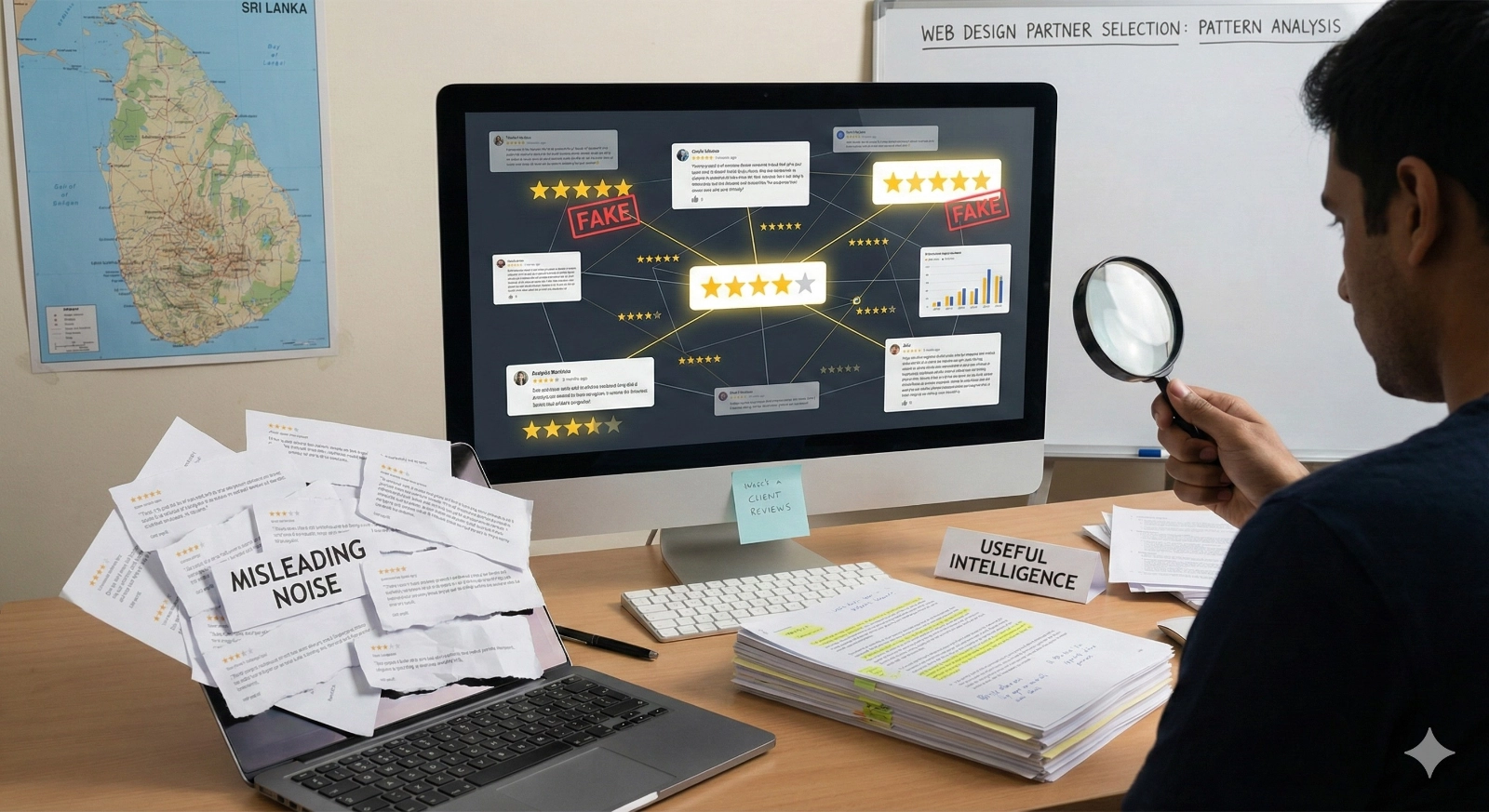
The Best Web Design Companies in Sri Lanka in 2026: Reviews, Ratings, and Real Client Feedback Analysis
Client reviews and ratings offer invaluable perspective when selecting a web design partner, revealing experiences that portfolios and capabilities presentations cannot convey. However, the review landscape has grown increasingly complex, with fake reviews, selective testimonials, and rating manipu...
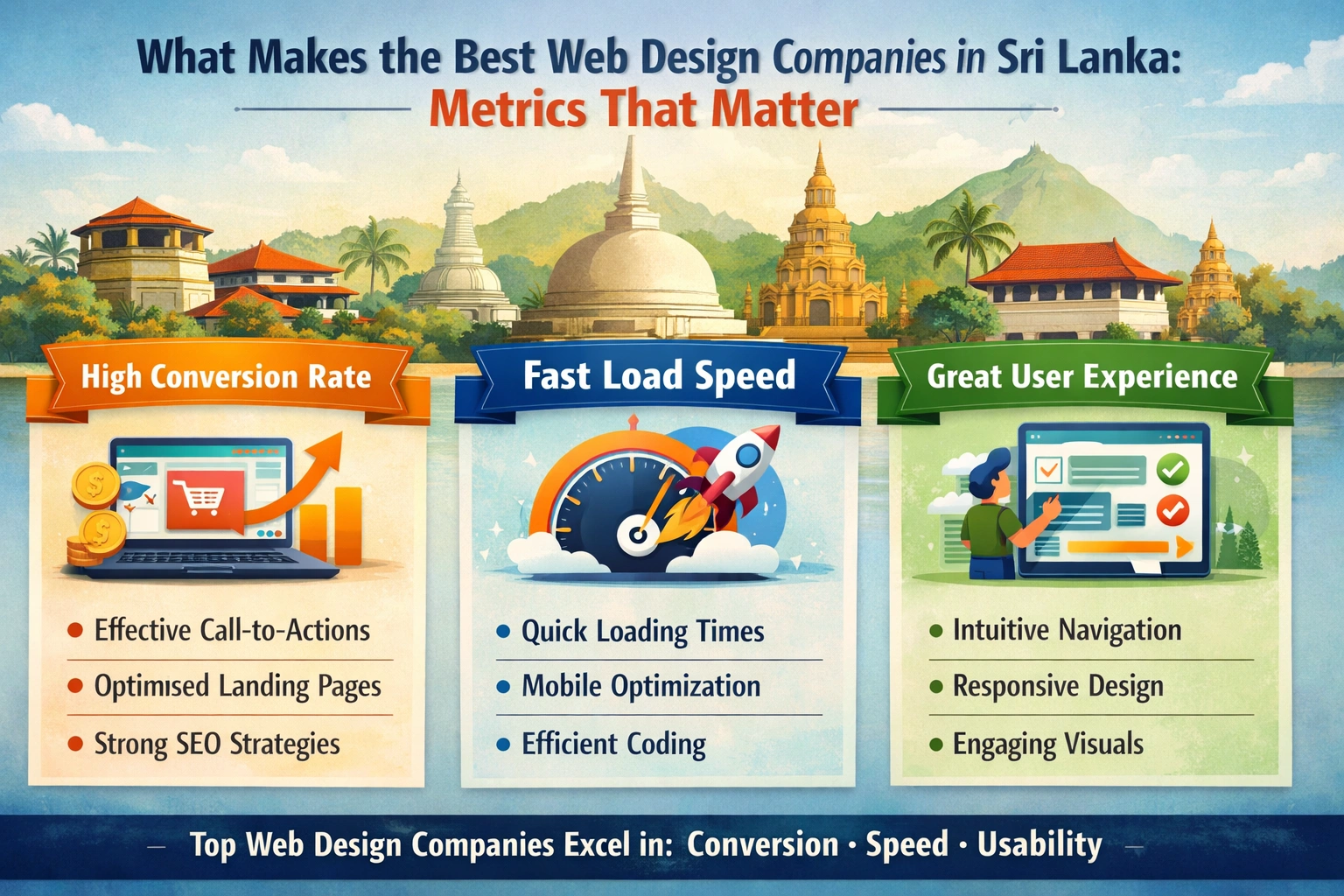
What Makes the Best Web Design Companies in Sri Lanka: Metrics That Matter (Conversion Rate, Load Speed, User Experience)
Subjective assessments of web design quality often lead businesses astray. A website might look stunning to your eyes yet fail to convert visitors into customers. Another site might seem plain but consistently outperform competitors in generating leads and sales. The best web design companies under...

Web Design Companies in Sri Lanka: Real Results from Transformation Projects Across Industries
Portfolio galleries and capability claims only tell part of the story when evaluating web design companies. The real measure of a design partner's value lies in the business outcomes they help clients achieve. Transformation projects demonstrate how professional web design converts struggling onlin...

Web Design Companies in Sri Lanka: What Services Should Your Partner Offer? (Design, Development, SEO, Maintenance)
Choosing a web design partner involves far more than comparing portfolios and price quotes. The services a company offers determine whether they can truly support your business growth or leave you scrambling to fill gaps with additional vendors. Many businesses in Sri Lanka discover too late that t...