Web Developers in Sri Lanka: Building Long-Term Partnerships for Ongoing Support and Maintenance

Launching a website is the beginning, not the end. What happens afterward—the updates, fixes, improvements, and expansions—often determines whether your website remains a business asset or gradually becomes a liability. Finding web developers in Sri Lanka isn't just about building your in...
Launching a website is the beginning, not the end. What happens afterward—the updates, fixes, improvements, and expansions—often determines whether your website remains a business asset or gradually becomes a liability. Finding web developers in Sri Lanka isn't just about building your initial site; it's about establishing relationships that serve your business over time.
This perspective shift—from project-based thinking to partnership-based thinking—changes how you should evaluate developers, structure agreements, and approach the entire relationship. Let's explore what makes these partnerships work and how to build them effectively.
Why Long-Term Relationships Matter
Understanding the value of ongoing partnerships requires recognising what your website actually needs over time.
Security Requires Constant Attention
The security landscape evolves continuously. New vulnerabilities emerge in software platforms, plugins, and frameworks. Hackers develop new attack techniques. Websites left without security updates become increasingly vulnerable—not if they'll be compromised, but when.
Proper security maintenance requires someone familiar with your site's specific technology stack, who understands its structure and can apply updates thoughtfully rather than blindly. A development partner who knows your site intimately handles this more efficiently and safely than someone approaching it fresh each time.
Business Needs Evolve
Your website should grow with your business. New services require new pages. Changed processes need updated functionality. Marketing initiatives demand landing pages. Seasonal campaigns require timely updates. Businesses without ready development support either let their websites stagnate or scramble to find help when changes become urgent.
Knowledge Accumulates
A developer who has worked with your site over time understands its quirks, its history, its customizations. They know why certain decisions were made and what implications changes might have. This institutional knowledge makes ongoing work faster, more accurate, and less risky than engaging developers who must learn your site from scratch each time.
Choosing Partners With Partnership Potential

Not every good project developer makes a good long-term partner. When evaluating potential developers, consider these partnership-specific factors:
Business Stability
A brilliant freelancer who might move abroad next year doesn't serve your long-term needs. A web design company in Sri Lanka with years of operation and stable team members offers more partnership potential. Ask about business history, team tenure, and future plans when evaluating providers.
Support Orientation
Some developers love building new things but hate maintenance work. Others genuinely value ongoing client relationships and the different satisfaction that support work provides. You can often tell the difference through how they discuss post-launch work—as an afterthought or as a valued part of their service model.
Communication Sustainability
The communication style that works during intense project phases might not suit ongoing relationships. You need responsiveness during urgent issues but don't necessarily need constant project-style check-ins. Evaluate whether potential partners can adapt their communication to the rhythms of maintenance work.
Growth Capacity
If your business grows, can your development partner grow with you? A solo freelancer might serve beautifully now but lack capacity for larger future projects. Consider whether potential partners have room to scale their engagement as your needs expand.
Structuring Ongoing Relationships
Long-term relationships benefit from clear structure. Various models work, depending on your needs and preferences:
Retainer Agreements
Monthly retainers guarantee developer availability in exchange for regular payment. You might purchase a set number of hours monthly, whether used or not. This ensures capacity when you need it but requires paying even during quiet periods.
Retainers work well when you have consistent ongoing needs or when rapid response times are critical. They're less appropriate if your needs are sporadic and unpredictable.
Maintenance Contracts
Maintenance agreements cover specific services for fixed fees—security updates, regular backups, uptime monitoring, basic content changes. This predictable arrangement suits businesses wanting routine maintenance handled without thinking about it.
Good maintenance contracts clearly specify what's included and how additional work outside the contract scope is handled. Ambiguity here leads to disputes.
Priority Support Arrangements
Some businesses prefer paying only for actual work but want guaranteed priority when they need help. Priority arrangements might guarantee response times without requiring minimum hours. You pay a smaller retainer for access and priority, then pay hourly for actual work performed.
Preferred Client Status
Even without formal agreements, long-standing clients often receive informal priority. Developers value reliable relationships and typically serve established clients before new prospects. Cultivating this preferred status through fair dealing, prompt payment, and reasonable expectations benefits your ongoing relationship.
Making Partnerships Work Day-to-Day

Beyond structural arrangements, practical behaviours determine whether partnerships thrive:
Respect Professional Boundaries
Emergency calls at midnight should be reserved for genuine emergencies. Expecting instant responses to routine requests strains relationships. Professional boundaries keep partnerships sustainable long-term. Urgent issues deserve urgent treatment; normal requests can wait for normal business hours.
Communicate Proactively
Share your plans with your development partner. If you're planning a major marketing push, let them know in case site performance becomes an issue. If you're considering new features, discuss them early so they can plan capacity. The more your partner understands your business context, the better they can serve you.
Provide Constructive Feedback
When things go wrong—and occasionally they will—address issues directly but constructively. The goal is solving problems and improving future work, not assigning blame. Partners who fear criticism hide problems; partners who receive constructive feedback improve service.
Pay Fairly and Promptly
Nothing sours professional relationships faster than payment problems. Pay agreed rates without haggling over every invoice. Pay on time, every time. Fair and reliable payment earns you goodwill that translates into better service during crunch times.
Common Support and Maintenance Needs
Understanding typical ongoing needs helps you plan appropriately:
- Security updates: Regular patching of CMS, plugins, and frameworks to address vulnerabilities
- Backups: Systematic backup procedures ensuring recovery capability if problems occur
- Performance monitoring: Watching for slowdowns, errors, and availability issues
- Content updates: Adding, modifying, and removing content as business needs change
- Feature enhancements: Adding new functionality to support evolving requirements
- Bug fixes: Addressing problems that emerge over time or with changing conditions
- Compatibility updates: Ensuring continued function as browsers, devices, and standards evolve
- Analytics review: Regular examination of site performance and user behaviour
Different businesses weight these needs differently. An e-commerce site might prioritise security and uptime monitoring heavily, while a simple brochure site might need mostly content updates. Discuss your specific priorities with potential partners.
Managing Partner Transitions
Even the best partnerships eventually end—businesses change, developers retire or change direction, circumstances evolve. Planning for potential transitions protects your business:
Documentation Requirements
Insist on documentation of custom work, configuration choices, and any site-specific knowledge. This documentation helps new developers get up to speed if transitions become necessary. Good partners maintain this documentation naturally; you might need to request it explicitly from others.
Access Control
Always maintain administrative access to your own systems. Hosting accounts, domain registrations, and CMS admin credentials should be under your control, not solely in developer hands. This isn't about distrust—it's about prudent business practice.
Avoid Excessive Dependency
While partnership depth is valuable, be cautious of arrangements that create excessive dependency. Proprietary systems that only one developer can maintain, custom solutions without documentation, or relationships where critical knowledge exists only in someone's head all create risk.
Transition Planning
If you anticipate a transition, handle it professionally. Provide reasonable notice, facilitate knowledge transfer to new providers, and part on good terms. Today's former developer might be tomorrow's emergency resource or referral source.
Signs of Healthy Partnerships
Healthy development partnerships show certain characteristics:
Proactive communication from your developer—they alert you to potential issues or opportunities without waiting for you to ask. Quick response to urgent matters, even if routine requests take longer. Honest advice, including recommendations that might not benefit the developer financially. Improving efficiency over time as familiarity grows. Willingness to explain technical matters in understandable terms. Respect for your business judgment within their technical expertise.
Signs of Partnership Problems
Warning signs that partnerships are degrading include:
Declining responsiveness over time. Work quality deteriorating from initial standards. Invoices for unexpected items or unexplained charges. Resistance to documentation or knowledge sharing. Dismissive attitudes toward your concerns. Availability problems that aren't explained satisfactorily.
When these signs emerge, address them directly. Sometimes issues are temporary and fixable; sometimes they indicate fundamental problems requiring partnership reconsideration.
The Value Equation
Long-term partnerships involve ongoing costs. Are they worth it?
Consider the alternative: finding new help each time you need something done, explaining your site to someone new, risking work by unfamiliar developers, and having no reliable resource when urgent problems arise. For most businesses, the reliability and efficiency of established partnerships easily justify their costs.
Good development partners become business assets. They understand your objectives, anticipate your needs, and contribute ideas you wouldn't generate alone. They catch problems before they become crises and help your website evolve alongside your business.
Finding the right web development partner and nurturing that relationship over time isn't just about website maintenance—it's about building a technical foundation that supports your business for years to come.
Related Articles
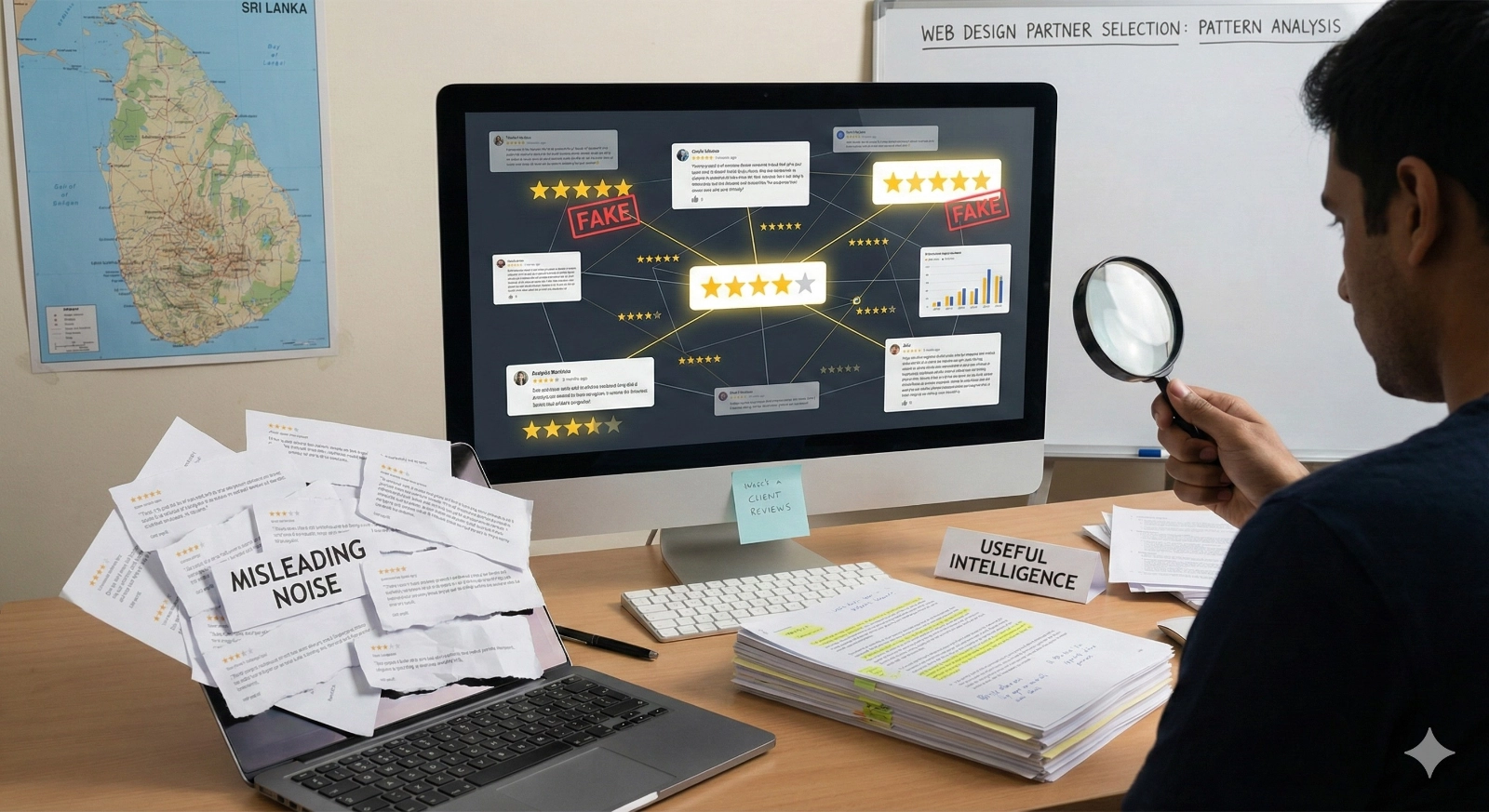
The Best Web Design Companies in Sri Lanka in 2026: Reviews, Ratings, and Real Client Feedback Analysis
Client reviews and ratings offer invaluable perspective when selecting a web design partner, revealing experiences that portfolios and capabilities presentations cannot convey. However, the review landscape has grown increasingly complex, with fake reviews, selective testimonials, and rating manipu...
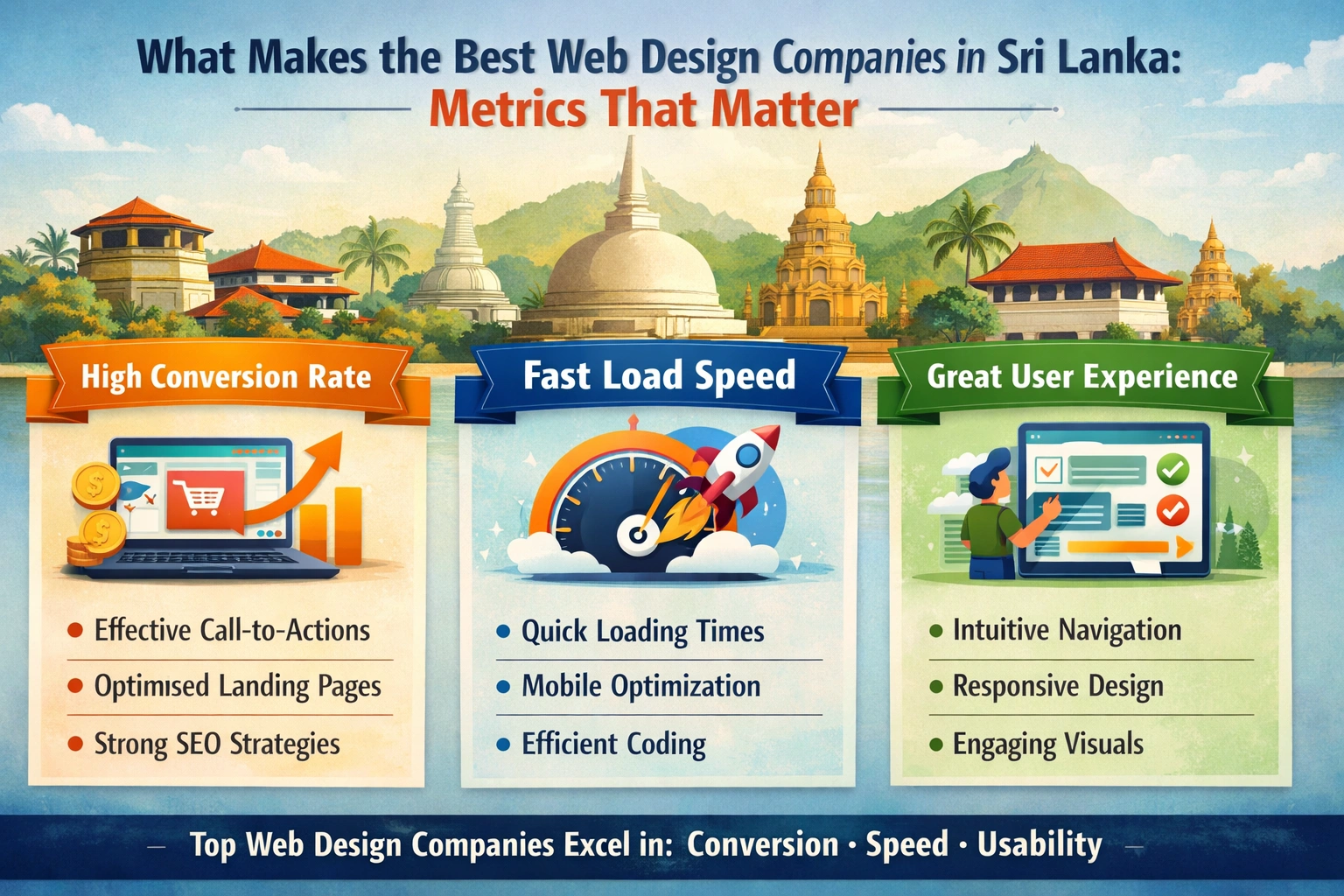
What Makes the Best Web Design Companies in Sri Lanka: Metrics That Matter (Conversion Rate, Load Speed, User Experience)
Subjective assessments of web design quality often lead businesses astray. A website might look stunning to your eyes yet fail to convert visitors into customers. Another site might seem plain but consistently outperform competitors in generating leads and sales. The best web design companies under...
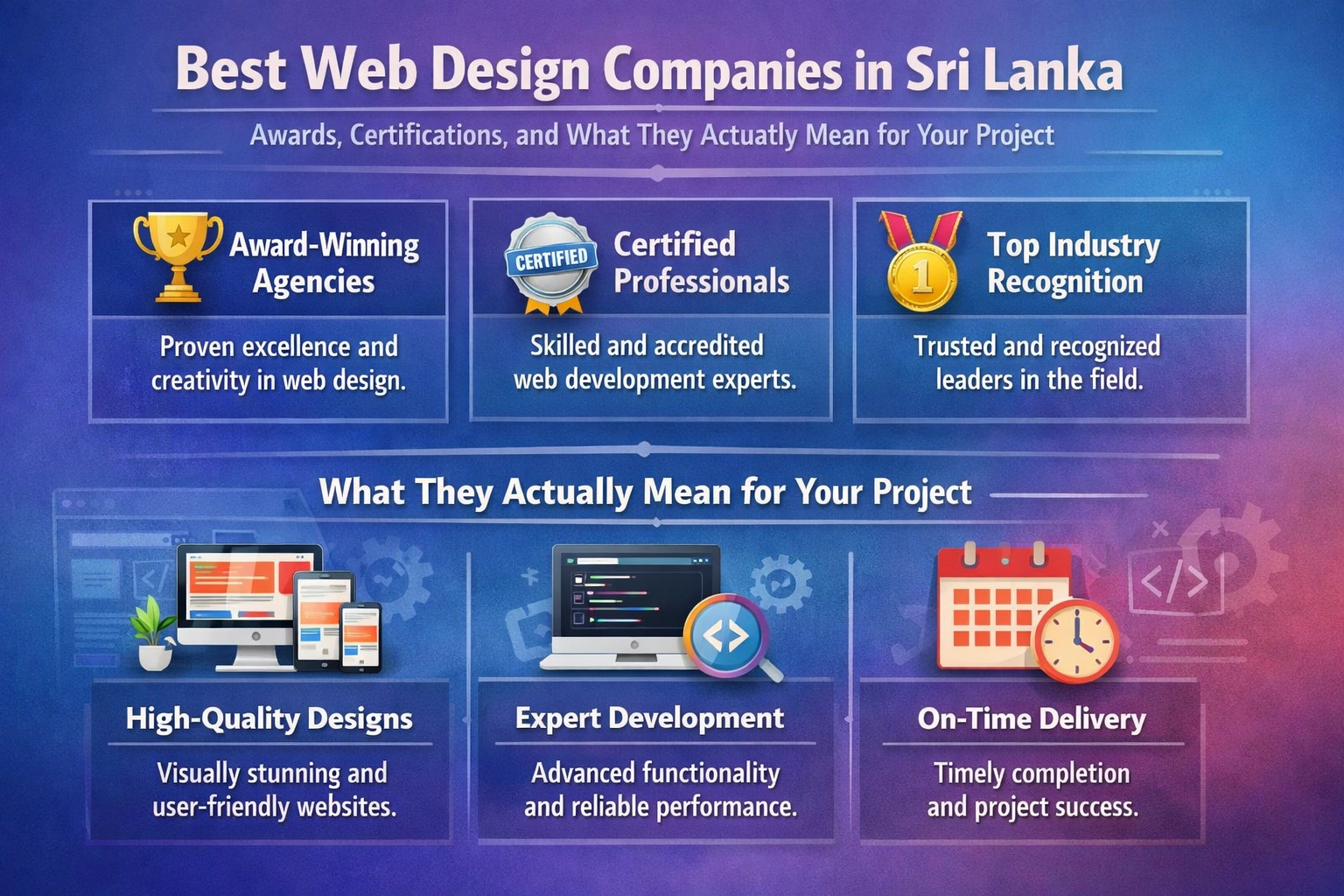
Best Web Design Companies in Sri Lanka: Awards, Certifications, and What They Actually Mean for Your Project
Web design companies frequently display awards, certifications, and recognition badges throughout their websites and proposals. These credentials promise quality assurance and industry standing, but their actual significance varies enormously. Some certifications indicate genuine expertise validate...

Web Design Companies in Sri Lanka: Real Results from Transformation Projects Across Industries
Portfolio galleries and capability claims only tell part of the story when evaluating web design companies. The real measure of a design partner's value lies in the business outcomes they help clients achieve. Transformation projects demonstrate how professional web design converts struggling onlin...