Coworking Spaces for Remote Workers
A staggering 63% of companies have remote workers, and this number is expected to grow to 73% in the next decade, according to a report by Upwork. As a remote worker, you're likely no stranger to the flexibility and freedom that comes with working from anywhere. However, you may also be familiar w...
Introduction to Coworking Spaces
Coworking spaces have revolutionized the way we work, offering a unique blend of flexibility, community, and productivity. These shared offices provide a platform for remote workers to connect with like-minded individuals, share ideas, and collaborate on projects. According to a study by Deskmag, 71% of coworking space members report an increase in productivity, while 64% say they have better work-life balance. Coworking spaces also offer a range of amenities, such as high-speed internet, meeting rooms, and event spaces, which can help remote workers stay organized and focused. One of the key benefits of coworking spaces is the sense of community they provide. Remote workers often miss out on the social interaction and human connection that comes with working in a traditional office. Coworking spaces fill this gap by offering a shared workspace where members can interact, network, and build relationships. For example, WeWork, a popular coworking space provider, hosts regular events and workshops for its members, including networking sessions, seminars, and social gatherings. In addition to community and amenities, coworking spaces also offer a high level of flexibility. Members can choose from a range of membership plans, including part-time, full-time, and virtual memberships, which allow them to work from anywhere, at any time. This flexibility is particularly useful for remote workers who need to balance work and family responsibilities, or who prefer to work in a quiet, distraction-free environment.Types of Coworking Spaces
There are several types of coworking spaces available, each catering to different needs and preferences. Shared offices are the most common type, where members share a large, open workspace with others. These spaces often feature long tables, comfortable seating areas, and plenty of natural light. For example, The Wing, a women-focused coworking space, offers shared offices in several locations, including New York City and Los Angeles. Private offices are another option, where members can rent a dedicated, lockable office for themselves or their team. These offices often come with additional amenities, such as whiteboards, printers, and high-speed internet. Industrious, a coworking space provider, offers private offices in several locations, including Chicago and San Francisco. Virtual offices are a more recent development, where members can access a range of virtual services, including virtual mailboxes, phone answering, and video conferencing. These services are particularly useful for remote workers who need to maintain a professional presence, but don't require a physical workspace. For example, Regus, a global coworking space provider, offers virtual office services in over 3,000 locations worldwide. In addition to these types, there are also niche coworking spaces that cater to specific industries or interests. For example, The Foundry is a coworking space for startups and entrepreneurs, while The Studio is a coworking space for artists and creatives. These niche spaces offer a unique environment and community that can help remote workers connect with like-minded individuals and stay inspired.Benefits of Coworking Spaces for Remote Workers
Coworking spaces offer a range of benefits for remote workers, including social interaction, networking opportunities, and access to amenities. According to a study by Gallup, 43% of employed adults in the United States are working remotely at least some of the time, and coworking spaces can help these workers stay connected and engaged. For example, Coworker, a coworking space platform, offers a range of social events and activities, including happy hours, workshops, and volunteer opportunities. In addition to social interaction and networking, coworking spaces also offer a range of amenities that can enhance productivity and well-being. These amenities may include high-speed internet, printers and scanners, kitchens and break rooms, and fitness classes and wellness programs. For example, Convene, a coworking space provider, offers a range of amenities, including high-speed internet, printers and scanners, and kitchens and break rooms. Coworking spaces can also provide a sense of structure and accountability for remote workers. By working in a shared office, members can stay motivated and focused, and avoid the distractions and procrastination that can come with working from home. According to a study by Stanford University, remote workers who work in coworking spaces are more likely to have a dedicated workspace, a regular schedule, and a sense of community, all of which can enhance productivity and job satisfaction.How to Choose the Right Coworking Space
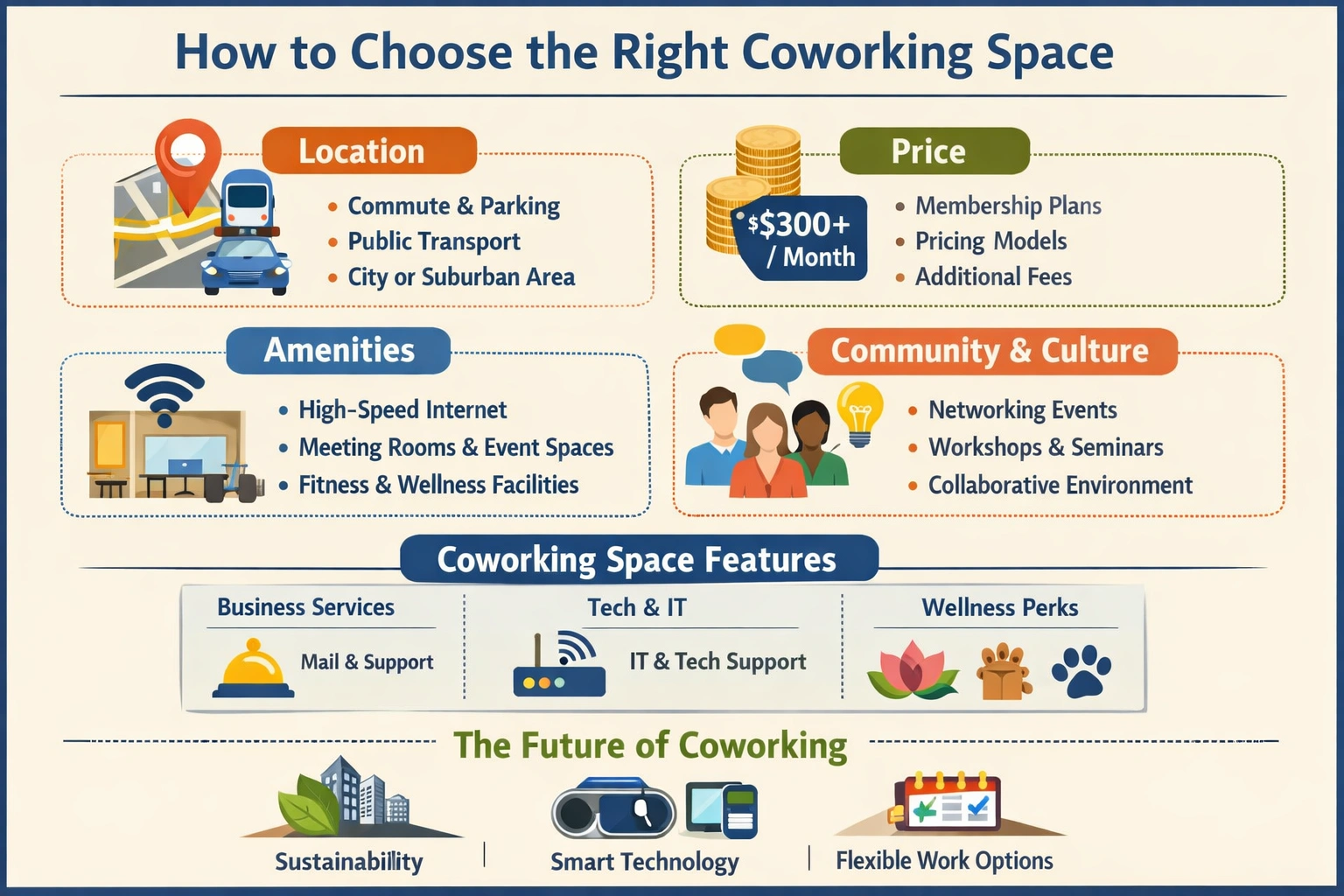 With so many coworking spaces available, it can be difficult to choose the right one for your needs. Here are a few factors to consider: location, price, and amenities. When it comes to location, consider the commute time, parking options, and proximity to public transportation. For example, Spaces, a coworking space provider, offers locations in city centers, near public transportation hubs, and in suburban areas.
Price is another important factor, as coworking spaces can vary significantly in terms of cost. Consider the membership plans, pricing models, and any additional fees or services. For example, WeWork offers a range of membership plans, including part-time, full-time, and virtual memberships, with prices starting at $300 per month.
Amenities are also a key consideration, as they can enhance your productivity, comfort, and overall work experience. Consider the types of amenities offered, such as high-speed internet, meeting rooms, and event spaces. For example, The Assembly, a coworking space in San Francisco, offers a range of amenities, including high-speed internet, meeting rooms, and event spaces, as well as a rooftop deck and a fitness center.
In addition to these factors, it's also important to consider the community and culture of the coworking space. Look for spaces that align with your values, interests, and work style, and that offer opportunities for socialization, networking, and professional development. For example, The Wing offers a range of events and activities, including workshops, seminars, and social gatherings, all of which are designed to support the personal and professional growth of its members.
With so many coworking spaces available, it can be difficult to choose the right one for your needs. Here are a few factors to consider: location, price, and amenities. When it comes to location, consider the commute time, parking options, and proximity to public transportation. For example, Spaces, a coworking space provider, offers locations in city centers, near public transportation hubs, and in suburban areas.
Price is another important factor, as coworking spaces can vary significantly in terms of cost. Consider the membership plans, pricing models, and any additional fees or services. For example, WeWork offers a range of membership plans, including part-time, full-time, and virtual memberships, with prices starting at $300 per month.
Amenities are also a key consideration, as they can enhance your productivity, comfort, and overall work experience. Consider the types of amenities offered, such as high-speed internet, meeting rooms, and event spaces. For example, The Assembly, a coworking space in San Francisco, offers a range of amenities, including high-speed internet, meeting rooms, and event spaces, as well as a rooftop deck and a fitness center.
In addition to these factors, it's also important to consider the community and culture of the coworking space. Look for spaces that align with your values, interests, and work style, and that offer opportunities for socialization, networking, and professional development. For example, The Wing offers a range of events and activities, including workshops, seminars, and social gatherings, all of which are designed to support the personal and professional growth of its members.
Coworking Space Amenities and Services
Coworking spaces offer a range of amenities and services that can enhance your productivity, comfort, and overall work experience. Some common amenities include high-speed internet, meeting rooms, and event spaces. For example, Regus offers high-speed internet, meeting rooms, and event spaces, as well as a range of other amenities, including kitchens, break rooms, and fitness centers. In addition to these amenities, coworking spaces may also offer a range of services, such as reception and administrative support, IT and technical support, and mail and package handling. For example, Industrious offers a range of services, including reception and administrative support, IT and technical support, and mail and package handling, all of which are designed to support the needs of its members. Coworking spaces may also offer a range of wellness and lifestyle amenities, such as fitness classes and wellness programs, meditation and mindfulness rooms, and on-site childcare and pet care. For example, The Assembly offers a range of wellness and lifestyle amenities, including fitness classes and wellness programs, meditation and mindfulness rooms, and on-site childcare and pet care, all of which are designed to support the physical, emotional, and mental well-being of its members.The Future of Coworking Spaces
The future of coworking spaces is likely to be shaped by a range of factors, including sustainability, technology integration, and flexible work arrangements. As concern about climate change and environmental sustainability grows, coworking spaces are likely to prioritize eco-friendly practices, such as energy-efficient lighting, recycling programs, and green roofs. For example, The Wing has implemented a range of sustainable practices, including energy-efficient lighting, recycling programs, and a green roof, all of which are designed to reduce its environmental impact. Technology integration is also likely to play a major role in the future of coworking spaces, with the use of artificial intelligence, internet of things (IoT) devices, and virtual and augmented reality becoming more prevalent. For example, WeWork has implemented a range of technology solutions, including artificial intelligence, IoT devices, and virtual and augmented reality, all of which are designed to enhance the work experience and support the needs of its members. Flexible work arrangements are also likely to continue to shape the future of coworking spaces, with the use of part-time and full-time memberships, virtual memberships, and flexible scheduling becoming more common. For example, Spaces offers a range of flexible work arrangements, including part-time and full-time memberships, virtual memberships, and flexible scheduling, all of which are designed to support the needs of its members and provide them with the flexibility and autonomy they need to succeed.Key Takeaways
In conclusion, coworking spaces offer a range of benefits for remote workers, including social interaction, networking opportunities, and access to amenities. By choosing the right coworking space, remote workers can enhance their productivity, comfort, and overall work experience. As the future of work continues to evolve, coworking spaces are likely to play an increasingly important role in supporting the needs of remote workers and providing them with the flexibility, autonomy, and community they need to succeed. So, what's the next step for you? Will you consider joining a coworking space to enhance your work experience and connect with like-minded individuals? With the rise of remote work and the growing demand for flexible work arrangements, the opportunities and possibilities are endless. Take the first step today and discover the benefits of coworking spaces for yourself.Frequently Asked Questions
What is a coworking space?
A shared office space where individuals can work, network, and collaborate
What are the benefits of coworking spaces?
Improved productivity, social interaction, and access to amenities
Related Articles
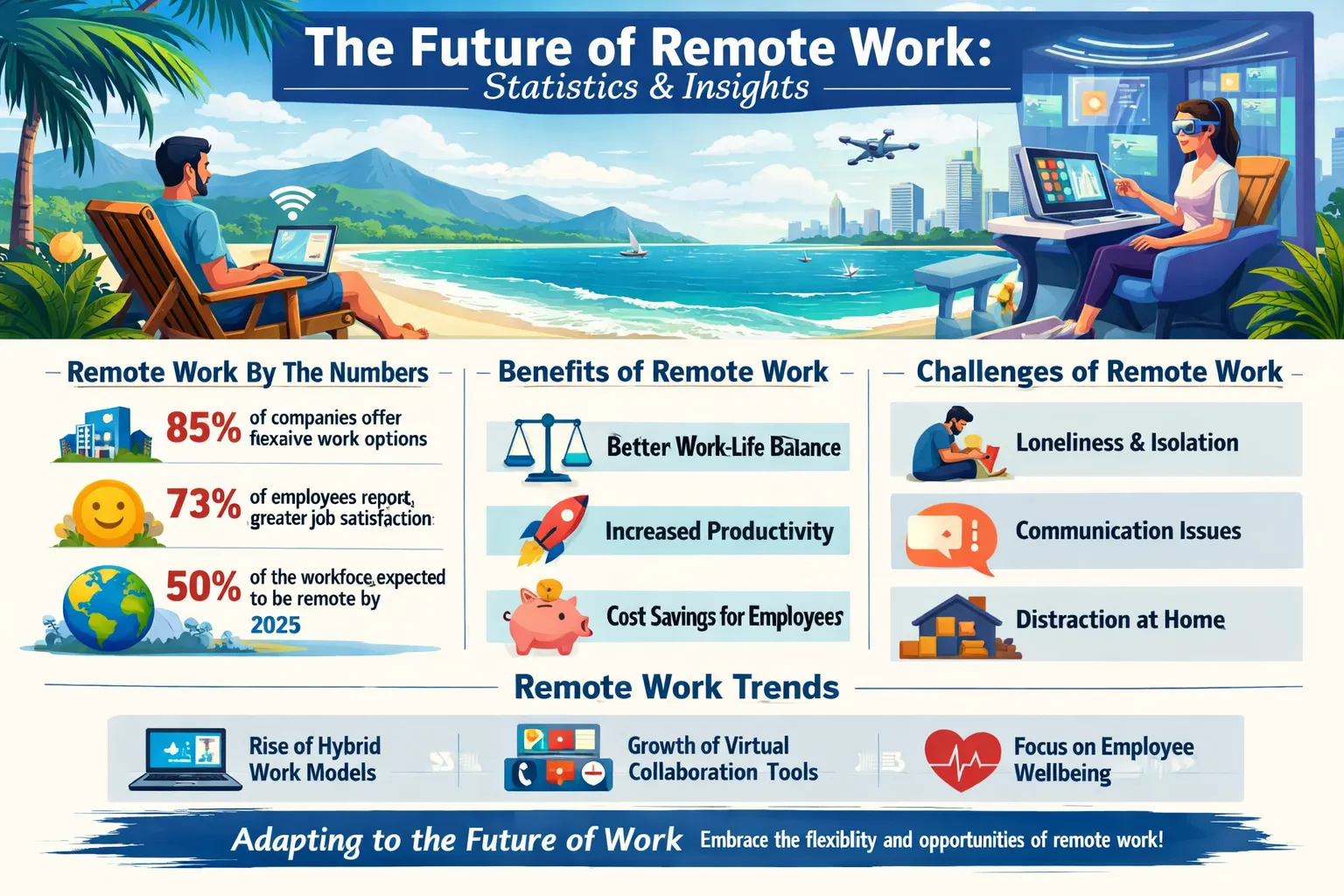
Remote Work Statistics 2026
Are you tired of the daily commute, only to sit at a desk and stare at a screen for hours on end? You're not alone. Many people are seeking a better work-life balance, and remote work has become an attractive solution. With the rise of digital communication tools and cloud-based software, it's now...
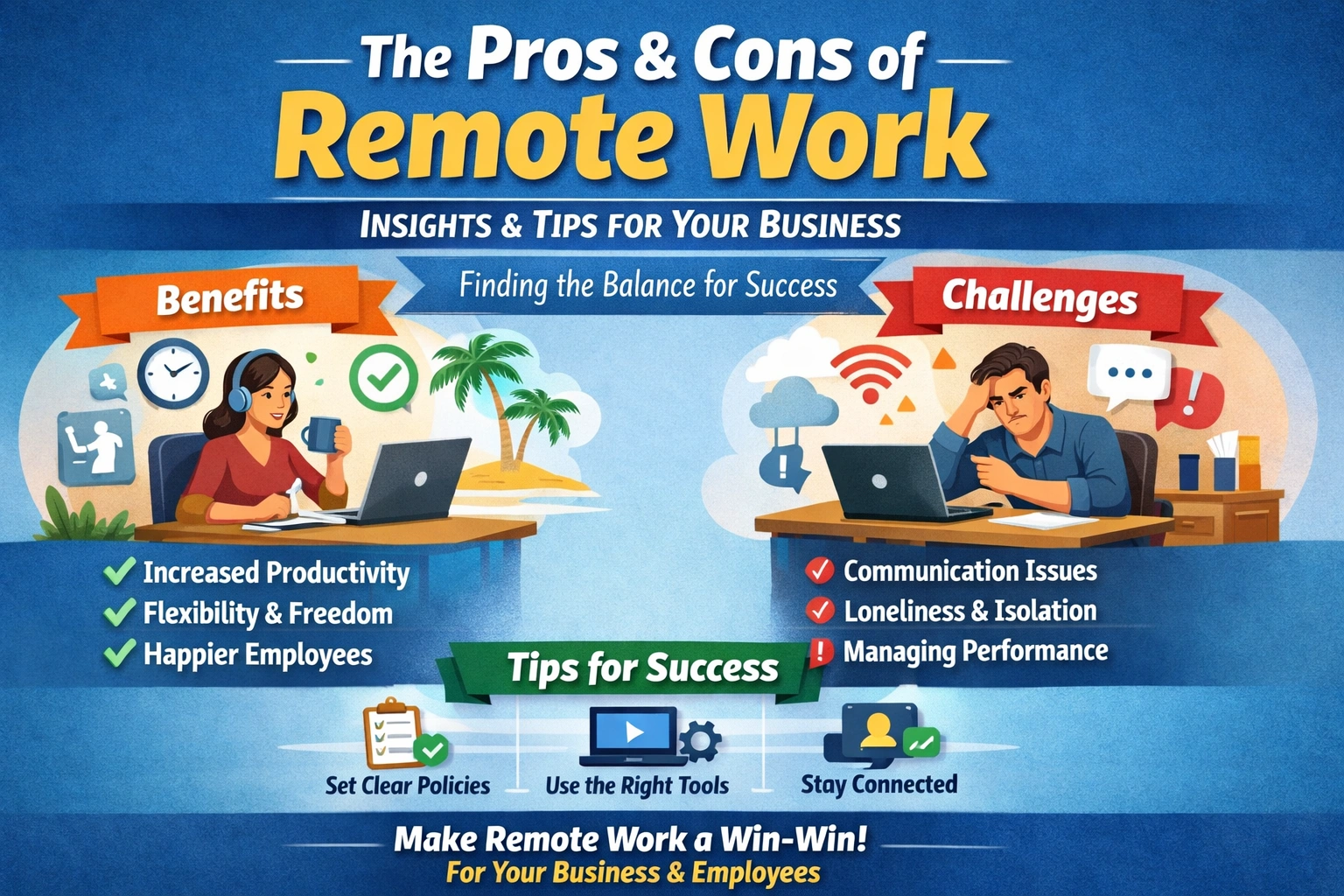
Remote Work Pros and Cons Business Case
As you consider the future of your business, you're probably weighing the pros and cons of remote work. I think it's an exciting opportunity, but also a significant challenge. You're not alone - many businesses are struggling to decide whether to adopt remote work arrangements. The good news is th...

Remote Work Tax Deductions
As a remote worker, you're likely no stranger to the flexibility and freedom that comes with working from home. But with this freedom comes the responsibility of managing your own finances, including taking advantage of remote work tax deductions. You may have heard of the home office deduction, b...
Home Office Layout Ideas
Are you tired of feeling unproductive and distracted while working from home? You're not alone. Many people struggle to create a dedicated workspace that fosters focus and efficiency. A well-designed home office can be a powerful tool to boost your productivity and overall job satisfaction. By opti...