Home Office Layout Ideas
Are you tired of feeling unproductive and distracted while working from home? You're not alone. Many people struggle to create a dedicated workspace that fosters focus and efficiency. A well-designed home office can be a powerful tool to boost your productivity and overall job satisfaction. By opti...
Are you tired of feeling unproductive and distracted while working from home? You're not alone. Many people struggle to create a dedicated workspace that fosters focus and efficiency. A well-designed home office can be a powerful tool to boost your productivity and overall job satisfaction. By optimizing your home office layout, you can create a space that supports your unique needs and work style, helping you to stay motivated and achieve your goals.
In this article, you'll discover how to create a home office that enhances your productivity, improves your work-life balance, and reflects your personal style. You'll learn how to assess your space, choose the right furniture, and incorporate technology and lighting to create a functional and comfortable workspace. By the end of this article, you'll have the knowledge and inspiration to transform your home office into a space that helps you thrive.
Introduction to Home Office Layout
A well-designed home office layout can have a significant impact on your productivity and overall well-being. When your workspace is organized and functional, you can focus on your work without distractions, leading to increased efficiency and better work quality. A personalized home office can also help you establish a healthy work-life balance by creating a clear boundary between your work and personal life. This can lead to reduced stress, improved mental health, and a greater sense of control over your work and personal life.
Moreover, a home office that reflects your personal style can boost your motivation and job satisfaction. When you enjoy spending time in your workspace, you're more likely to feel engaged and committed to your work. This can lead to increased creativity, improved problem-solving skills, and a greater sense of fulfillment. For example, a writer might create a cozy reading nook with a comfortable chair and a floor lamp, while a graphic designer might opt for a sleek and modern desk with a high-resolution monitor.
According to a study by the American Psychological Association, employees who have control over their work environment are more likely to be satisfied with their jobs and have better overall well-being. By designing a home office that meets your unique needs and preferences, you can create a space that supports your physical and mental health, leading to improved productivity and job satisfaction.
Assessing Your Home Office Space
Before you start designing your home office, it's essential to assess your space carefully. This involves measuring the room, identifying natural light sources, and considering storage options. Start by measuring the length, width, and height of your room, including any obstructions such as doors, windows, and heating vents. This will help you determine the best layout for your furniture and equipment.
Next, identify the natural light sources in your room and consider how you can maximize them. Natural light can boost your mood and energy levels, making it essential for a productive workspace. If possible, position your desk near a window to take advantage of natural light. However, if your room lacks natural light, you can use task lighting to create a well-lit workspace.
Finally, consider your storage options. A cluttered workspace can be distracting and reduce your productivity. Look for opportunities to use vertical space, such as installing shelves or a storage unit, to keep your equipment and supplies organized. You can also use a file cabinet or a desk with built-in storage to keep your workspace tidy. For example, a freelance writer might use a wall-mounted shelf to store books and reference materials, while a software developer might opt for a desk with a built-in cable management system.
Choosing the Right Home Office Furniture
Choosing the right home office furniture is critical to creating a functional and comfortable workspace. An ergonomic chair, adjustable desk, and comfortable lighting can help reduce eye strain, back pain, and other health problems associated with long hours of sitting. Look for a chair with adjustable height, lumbar support, and a breathable fabric, such as mesh or leather.
An adjustable desk can help you switch between sitting and standing throughout the day, reducing the risk of chronic diseases such as diabetes and heart disease. Consider a desk with a built-in cable management system to keep your workspace organized and clutter-free. Finally, invest in a good lighting system, including a combination of overhead lighting, task lighting, and natural light. This can help reduce eye strain and improve your overall mood and productivity.
For example, a programmer might opt for a standing desk with a built-in keyboard tray and a monitor arm, while a graphic designer might choose a desk with a built-in drawing surface and a comfortable, ergonomic chair. According to a study by the National Institute of Occupational Safety and Health, employees who use ergonomic furniture are more likely to report improved productivity and reduced discomfort.
Home Office Layout Ideas for Small Spaces
Designing a home office in a small space can be challenging, but there are several strategies you can use to maximize your space. One approach is to use vertical space, such as installing shelves or a storage unit, to keep your equipment and supplies organized. You can also use multi-functional furniture, such as a desk with built-in storage or a chair with a built-in Ottoman, to reduce clutter and save space.
Another approach is to keep your decor minimal and simple. Avoid cluttering your workspace with too many decorative items, and instead, focus on creating a clean and functional space. Consider using a neutral color scheme and a limited number of textures to create a sense of calm and focus. For example, a small business owner might use a compact desk with a built-in shelf and a comfortable, ergonomic chair to create a functional and comfortable workspace.
Finally, consider using technology to your advantage. For example, you can use a cloud-based storage system to reduce your need for physical storage, or invest in a portable printer to save space. According to a study by the International Facility Management Association, employees who work in small, well-designed spaces are more likely to report improved productivity and job satisfaction.
Incorporating Technology and Lighting into Your Home Office
Technology and lighting can play a significant role in creating a functional and comfortable home office. Task lighting, such as a desk lamp or a floor lamp, can help reduce eye strain and improve your focus. Natural light, on the other hand, can boost your mood and energy levels, making it essential for a productive workspace.
Consider investing in smart home devices, such as a smart thermostat or a smart lighting system, to create a comfortable and energy-efficient workspace. You can also use technology to improve your productivity, such as investing in a noise-cancelling headset or a high-resolution monitor. For example, a software developer might use a smart coffee maker to stay caffeinated throughout the day, while a writer might invest in a noise-cancelling headset to reduce distractions.
According to a study by the Lighting Research Center, employees who work in spaces with natural light and task lighting are more likely to report improved mood and productivity. By incorporating technology and lighting into your home office, you can create a space that supports your physical and mental health, leading to improved productivity and job satisfaction.
Personalizing Your Home Office for Maximum Productivity
Personalizing your home office can help you create a space that reflects your unique needs and preferences. Adding plants, such as a snake plant or a spider plant, can help purify the air and improve your mood. Using color, such as a bold wall color or a vibrant rug, can also help stimulate your creativity and energy levels.
Displaying personal items, such as family photos or artwork, can help create a sense of comfort and familiarity in your workspace. Consider using a vision board or a corkboard to display inspiring quotes, images, or reminders, and keep your workspace organized and clutter-free. For example, a freelance writer might display a collection of favorite books or a motivational quote, while a graphic designer might showcase their portfolio or a favorite piece of artwork.
According to a study by the Harvard Business Review, employees who have control over their work environment are more likely to report improved productivity and job satisfaction. By personalizing your home office, you can create a space that supports your physical and mental health, leading to improved productivity and overall well-being.
Key Takeaways
In conclusion, designing a home office that supports your unique needs and preferences can have a significant impact on your productivity and overall well-being. By assessing your space, choosing the right furniture, and incorporating technology and lighting, you can create a functional and comfortable workspace that fosters focus and efficiency.
As you start designing your home office, remember to prioritize your needs and preferences, and don't be afraid to experiment and try new things. What will you do first to create a home office that supports your productivity and well-being?
Frequently Asked Questions
What is the ideal home office layout?
The ideal home office layout varies depending on individual needs and preferences, but it should prioritize comfort, functionality, and productivity
How can I optimize my home office for small spaces?
To optimize your home office for small spaces, consider using vertical space, multi-functional furniture, and minimal decor
Related Articles
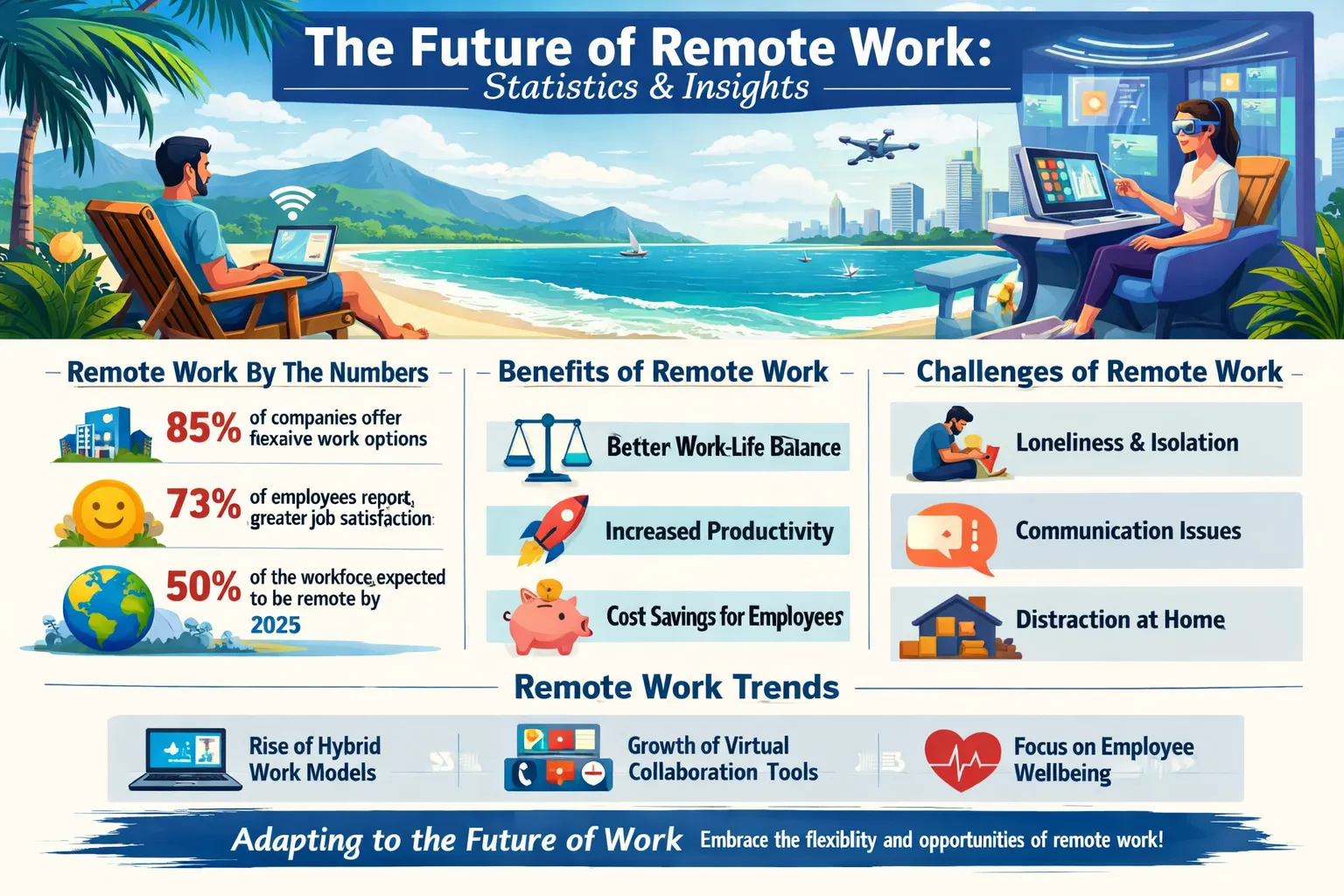
Remote Work Statistics 2026
Are you tired of the daily commute, only to sit at a desk and stare at a screen for hours on end? You're not alone. Many people are seeking a better work-life balance, and remote work has become an attractive solution. With the rise of digital communication tools and cloud-based software, it's now...
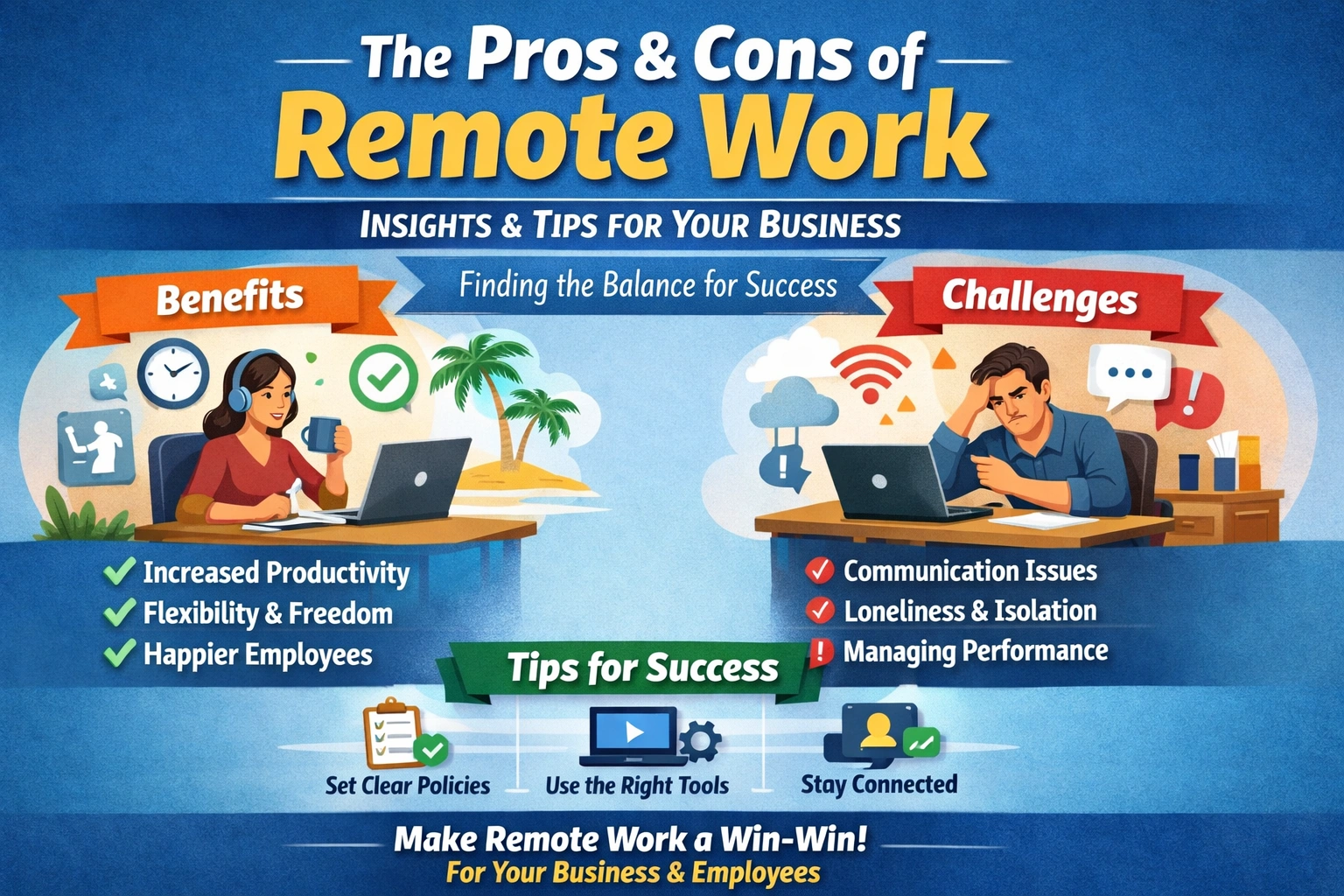
Remote Work Pros and Cons Business Case
As you consider the future of your business, you're probably weighing the pros and cons of remote work. I think it's an exciting opportunity, but also a significant challenge. You're not alone - many businesses are struggling to decide whether to adopt remote work arrangements. The good news is th...
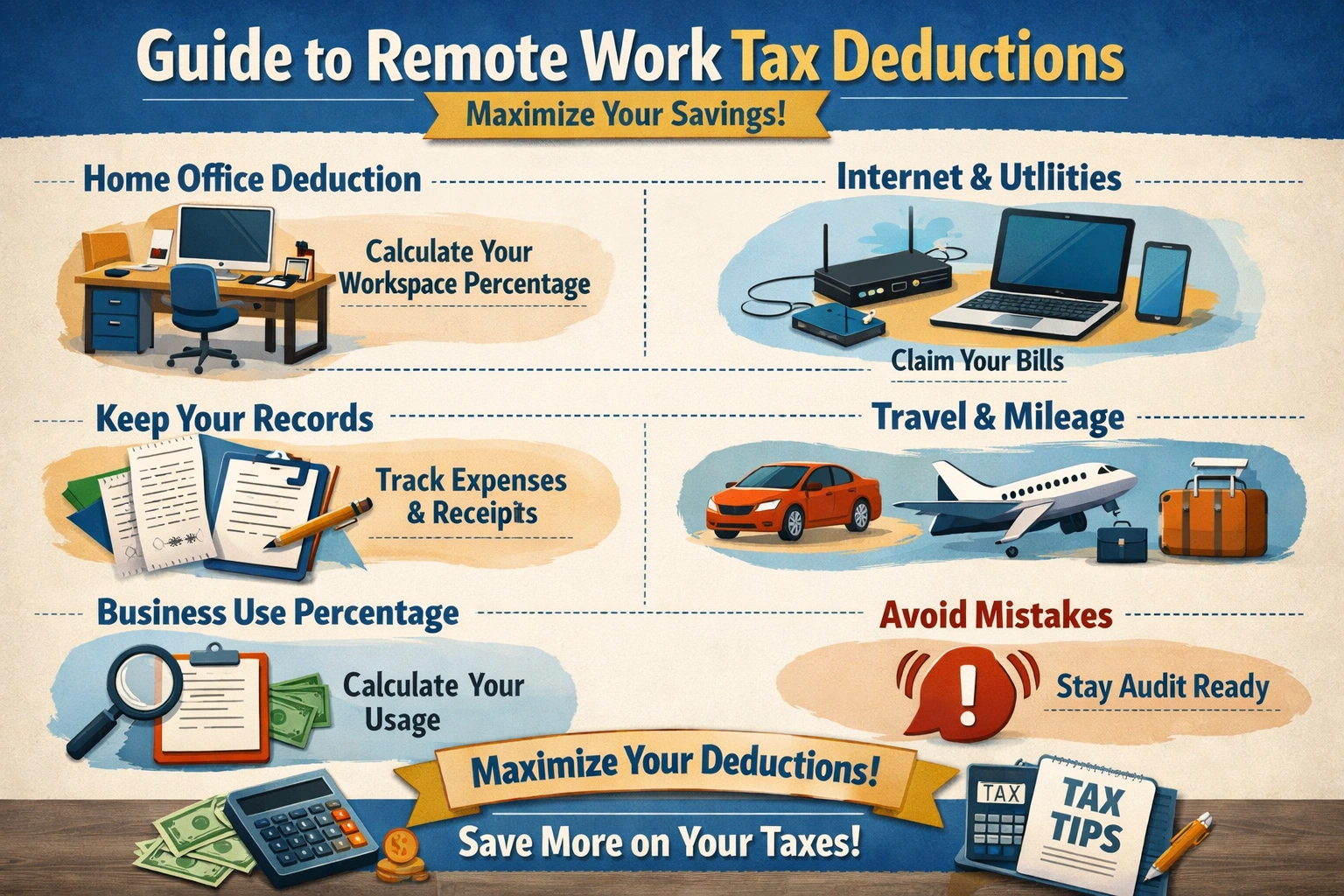
Remote Work Tax Deductions
As a remote worker, you're likely no stranger to the flexibility and freedom that comes with working from home. But with this freedom comes the responsibility of managing your own finances, including taking advantage of remote work tax deductions. You may have heard of the home office deduction, b...
Best Productivity Tools for Remote Teams 2026
As you sit at your desk, sipping your morning coffee and staring at your computer screen, you can't help but think about the challenges of managing a remote team. You've got team members scattered across different time zones, and it can be tough to keep everyone on the same page. But what if you h...