Can AI Replace This Profession
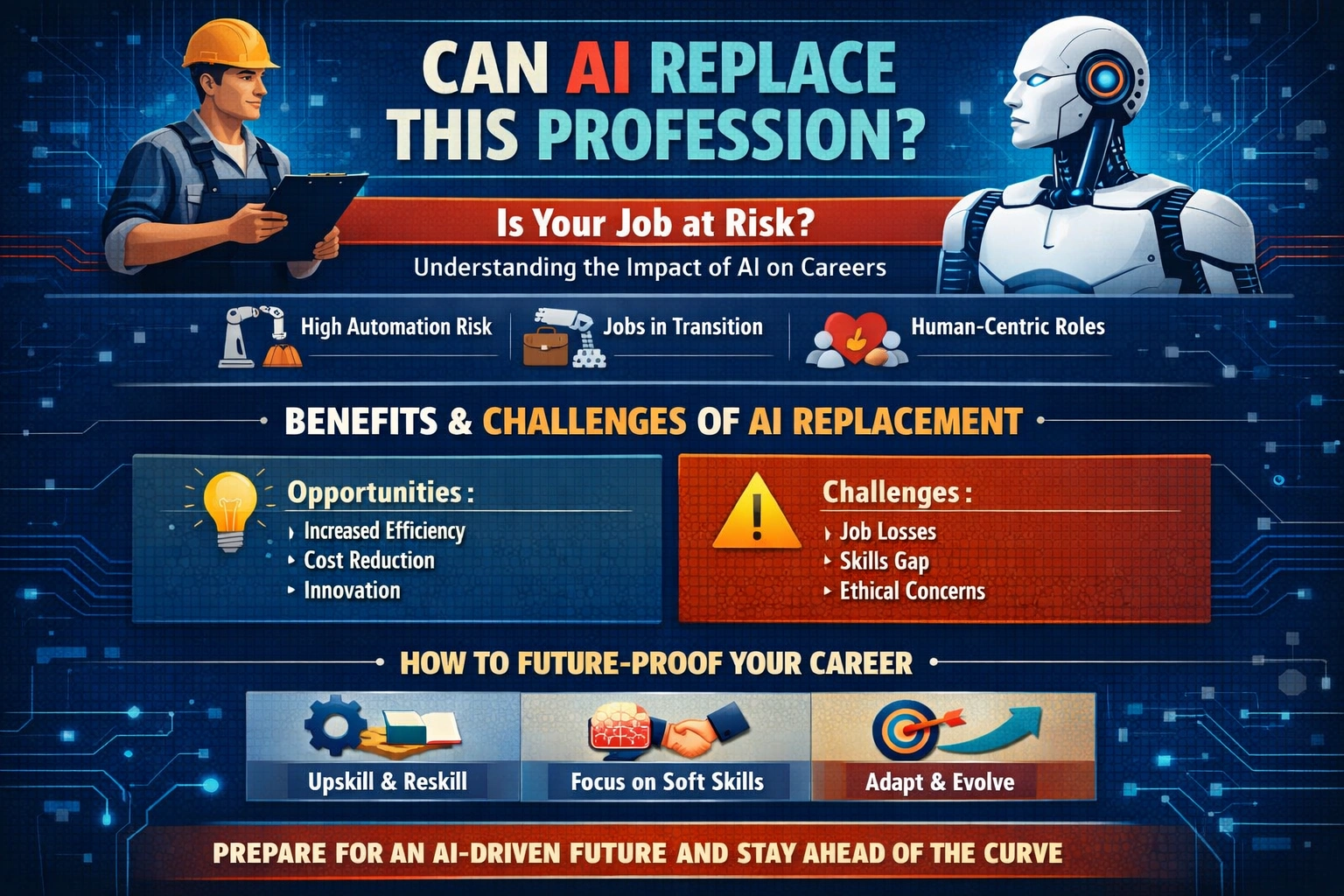
As you read this, artificial intelligence (AI) is transforming numerous professions, raising concerns about job security and the future of work. You may be wondering if your profession is at risk of being replaced by AI. The answer is complex, and it depends on various factors, including the natur...
Introduction to AI Replacement
The concept of AI replacement refers to the use of artificial intelligence to automate tasks and processes that are currently performed by humans. This can include a wide range of activities, from data entry and customer service to complex decision-making and problem-solving. AI replacement is made possible by advances in machine learning, natural language processing, and computer vision, which enable machines to learn from data, understand human language, and perceive their environment. Current trends in AI development suggest that the technology is becoming increasingly sophisticated and capable of performing tasks that were previously thought to be the exclusive domain of humans. For example, AI-powered chatbots are now being used to provide customer support and answer frequently asked questions, while machine learning algorithms are being used to analyze large datasets and make predictions about future trends. According to a report by Gartner, the use of AI and machine learning is expected to increase by 50% in the next two years, with the majority of organizations using these technologies to improve customer experience and reduce costs. The potential applications of AI replacement are vast and varied, and they are likely to have a significant impact on numerous industries and professions. For instance, AI-powered robots are being used in manufacturing to assemble products and perform quality control checks, while AI-powered systems are being used in healthcare to diagnose diseases and develop personalized treatment plans. As AI technology continues to evolve, we can expect to see even more innovative applications of AI replacement in the future.Professions at Risk of AI Replacement
Some professions are more likely to be automated than others, particularly those that involve repetitive tasks, data entry, or customer service. Data entry clerks, for example, are at high risk of being replaced by AI-powered systems that can quickly and accurately process large amounts of data. Similarly, customer service representatives may be replaced by AI-powered chatbots that can answer frequently asked questions and provide basic support to customers. Other professions that are at risk of AI replacement include bookkeeping, accounting, and banking, where AI-powered systems can perform tasks such as data entry, invoicing, and account reconciliation. Additionally, professions such as telemarketing, telesales, and market research may also be automated, as AI-powered systems can make phone calls, conduct surveys, and analyze data more efficiently and effectively than humans. According to a report by McKinsey, up to 800 million jobs could be lost worldwide due to automation by 2030. However, the same report also notes that while automation may replace some jobs, it will also create new ones, particularly in fields such as AI development, deployment, and maintenance. For example, the growth of the gig economy has created new opportunities for workers to engage in freelance or contract work, while the development of online platforms has enabled entrepreneurs to start new businesses and reach customers more easily.Benefits of AI Replacement
The benefits of AI replacement are numerous and significant. One of the most obvious benefits is increased efficiency, as AI-powered systems can process large amounts of data quickly and accurately, freeing up human workers to focus on more complex and creative tasks. Additionally, AI replacement can result in cost savings, as automated systems can reduce labor costs and minimize errors. Another benefit of AI replacement is improved customer experience. AI-powered chatbots and virtual assistants can provide 24/7 support to customers, answering frequently asked questions and helping to resolve issues quickly and efficiently. Furthermore, AI-powered systems can help to improve decision-making, as they can analyze large amounts of data and provide insights and recommendations to human decision-makers. For example, a company like Amazon has used AI-powered systems to improve its customer service, using chatbots to answer frequently asked questions and provide support to customers. Similarly, a company like Netflix has used AI-powered systems to personalize recommendations for its users, analyzing their viewing habits and providing suggestions for new shows and movies. By leveraging AI replacement, companies like these can improve efficiency, reduce costs, and enhance customer experience.Challenges of AI Replacement
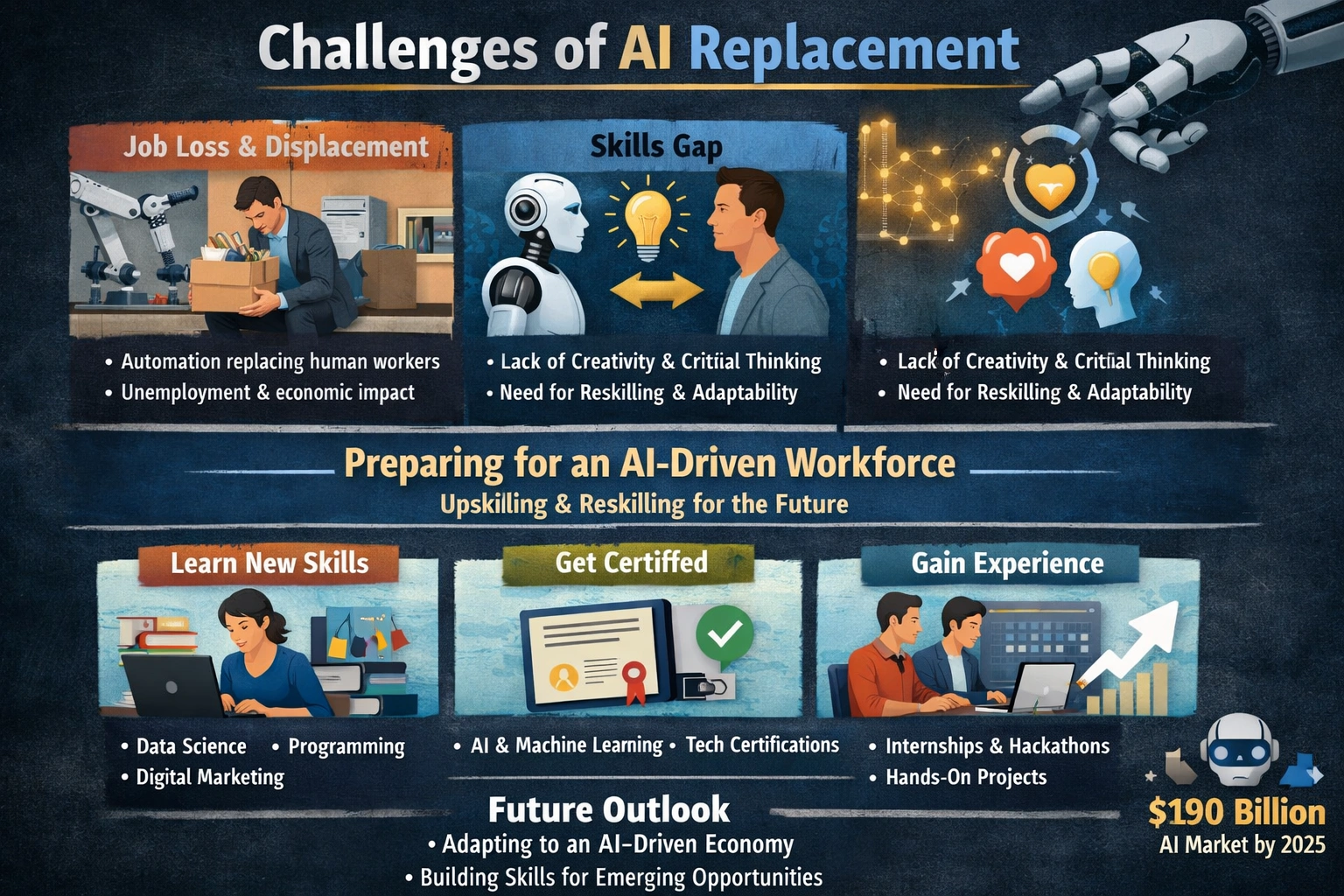 While AI replacement offers many benefits, it also poses significant challenges. One of the most obvious challenges is job loss, as automated systems replace human workers. This can have a devastating impact on individuals and communities, particularly in industries where jobs are scarce and workers have limited skills and training.
Another challenge of AI replacement is the requirement for human skills. While AI-powered systems can perform many tasks, they lack the creativity, empathy, and critical thinking skills that are essential for many professions. As a result, workers will need to develop new skills and competencies to remain relevant in an AI-driven economy.
According to a report by the World Economic Forum, by 2022, more than a third of the desired skills for most jobs will be comprised of skills that are not yet considered crucial to the job today. This means that workers will need to be adaptable and willing to learn new skills, particularly in areas such as data science, programming, and digital marketing. For example, a worker who is displaced by automation may need to develop new skills in areas such as data analysis or cloud computing to remain employable.
While AI replacement offers many benefits, it also poses significant challenges. One of the most obvious challenges is job loss, as automated systems replace human workers. This can have a devastating impact on individuals and communities, particularly in industries where jobs are scarce and workers have limited skills and training.
Another challenge of AI replacement is the requirement for human skills. While AI-powered systems can perform many tasks, they lack the creativity, empathy, and critical thinking skills that are essential for many professions. As a result, workers will need to develop new skills and competencies to remain relevant in an AI-driven economy.
According to a report by the World Economic Forum, by 2022, more than a third of the desired skills for most jobs will be comprised of skills that are not yet considered crucial to the job today. This means that workers will need to be adaptable and willing to learn new skills, particularly in areas such as data science, programming, and digital marketing. For example, a worker who is displaced by automation may need to develop new skills in areas such as data analysis or cloud computing to remain employable.
Preparing for an AI-Driven Workforce
To prepare for an AI-driven workforce, workers will need to develop new skills and competencies, particularly in areas such as data science, programming, and digital marketing. This can involve taking courses or earning certifications in these areas, as well as gaining practical experience through internships or volunteer work. Upskilling and reskilling are essential for remaining relevant in an AI-driven economy. Workers should focus on developing skills that are complementary to AI, such as creativity, critical thinking, and problem-solving. They should also be prepared to adapt to new technologies and workflows, and to continuously learn and update their skills. For example, a worker who is interested in developing skills in machine learning may take an online course or earn a certification in this area. They may also participate in hackathons or coding challenges to gain practical experience and build their portfolio. By taking proactive steps to develop new skills and competencies, workers can future-proof their careers and remain competitive in an AI-driven job market.Conclusion and Future Outlook
The future of work is likely to be shaped by AI replacement, with many professions being automated and new ones emerging. While this may pose challenges for some workers, it also offers opportunities for growth and development. As AI technology continues to evolve, we can expect to see even more innovative applications of AI replacement in the future. According to a report by IDC, the global AI market is expected to reach $190 billion by 2025, with the majority of this spending going towards AI-powered systems and applications. This growth will create new opportunities for workers, particularly in areas such as AI development, deployment, and maintenance. For example, workers who develop skills in natural language processing or computer vision may find new job opportunities in areas such as chatbot development or image recognition. As we look to the future, it is clear that AI replacement will have a significant impact on the job market. However, by developing new skills and competencies, and by being adaptable and willing to learn, workers can remain relevant and competitive in an AI-driven economy. The key is to be proactive and to take steps to future-proof your career, whether through upskilling, reskilling, or pursuing new opportunities in emerging fields.Key Takeaways
The key takeaway from this article is that AI replacement is a reality that is already transforming numerous professions and industries. While this may pose challenges for some workers, it also offers opportunities for growth and development. To remain relevant in an AI-driven economy, workers will need to develop new skills and competencies, particularly in areas such as data science, programming, and digital marketing. So, what can you do to prepare for an AI-driven workforce? The first step is to take an honest assessment of your skills and competencies, and to identify areas where you may need to upskill or reskill. You can then take proactive steps to develop new skills, whether through online courses, certifications, or practical experience. By being adaptable and willing to learn, you can future-proof your career and remain competitive in an AI-driven job market. What will you do to prepare for the future of work?Frequently Asked Questions
Will AI replace all professions?
No, AI will not replace all professions, but it will augment certain tasks and jobs
How can I prepare for an AI-driven workforce?
You can prepare by upskilling and reskilling to work alongside AI systems
Related Articles
Virtual Reality in Business
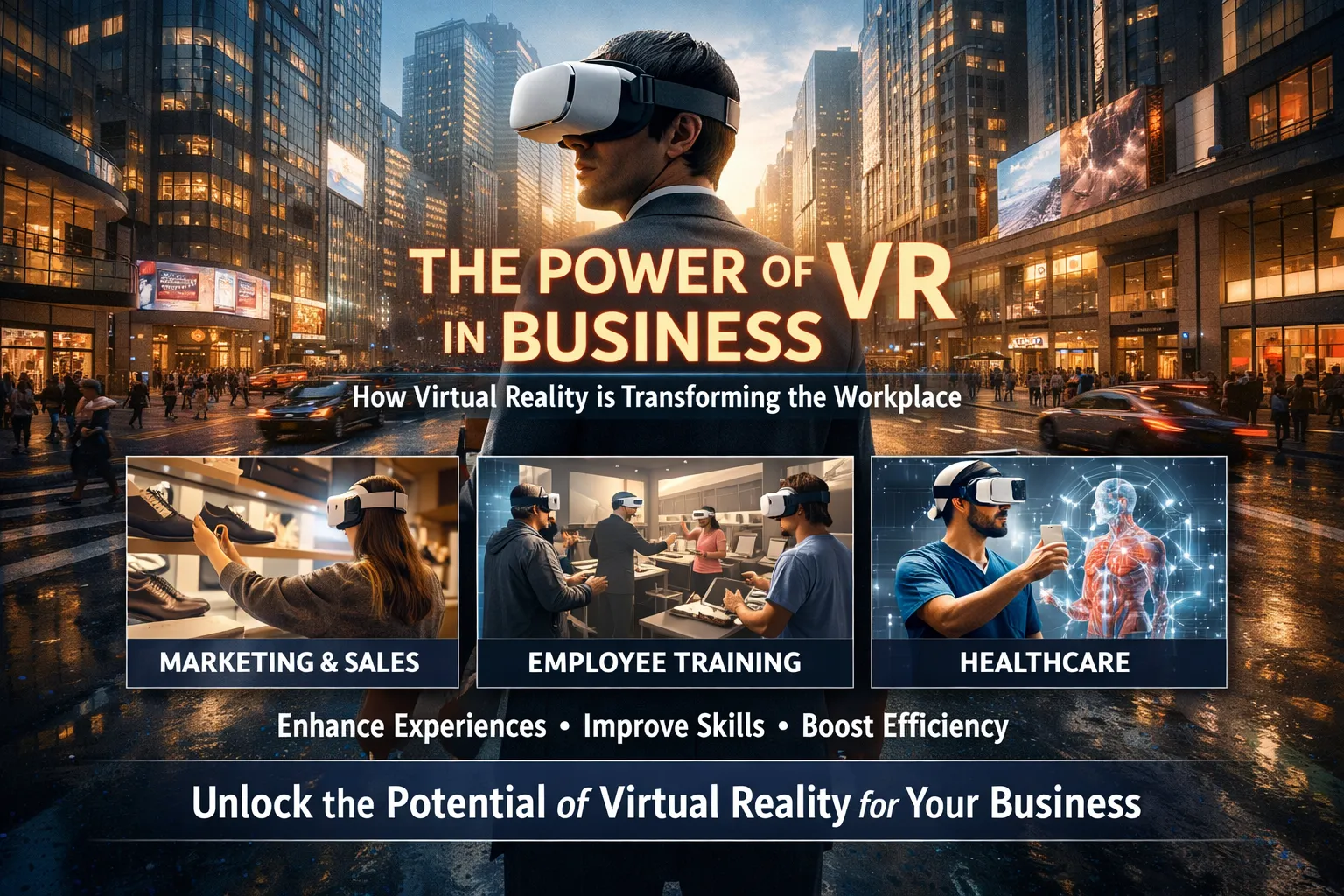
Imagine walking into a conference room, putting on a headset, and suddenly finding yourself standing in the middle of a bustling city, surrounded by towering skyscrapers and the sounds of traffic. This is not a scene from a science fiction movie, but a real-life example of how virtual reality (VR)...
Midjourney vs DALL-E: AI Image Generation Comparison
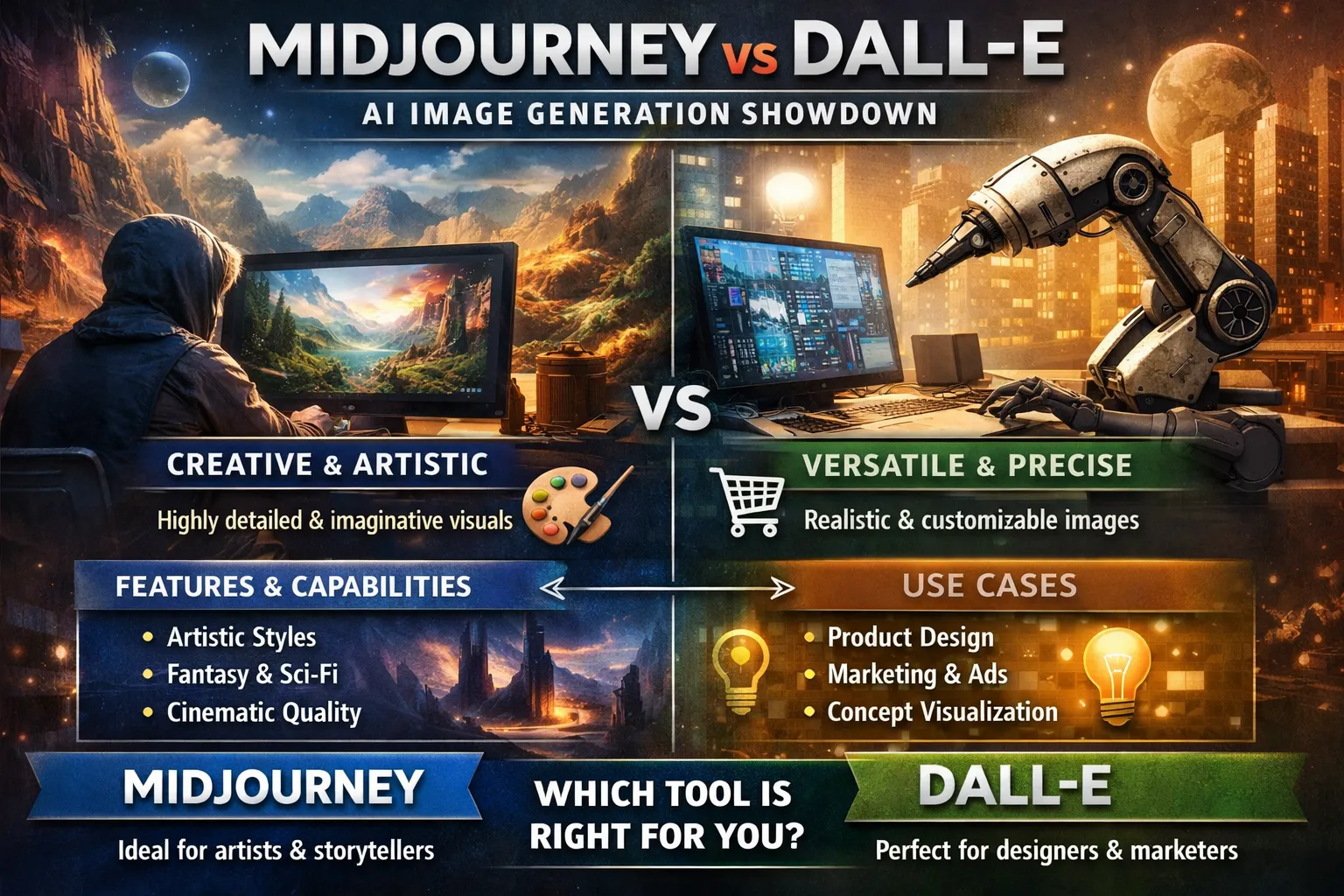
Imagine being able to generate stunning, high-quality images with just a few clicks of a button. Sounds like science fiction, right? But with the advent of AI image generation, this is now a reality. You can create breathtaking art, design stunning visuals, and even generate images for marketing a...
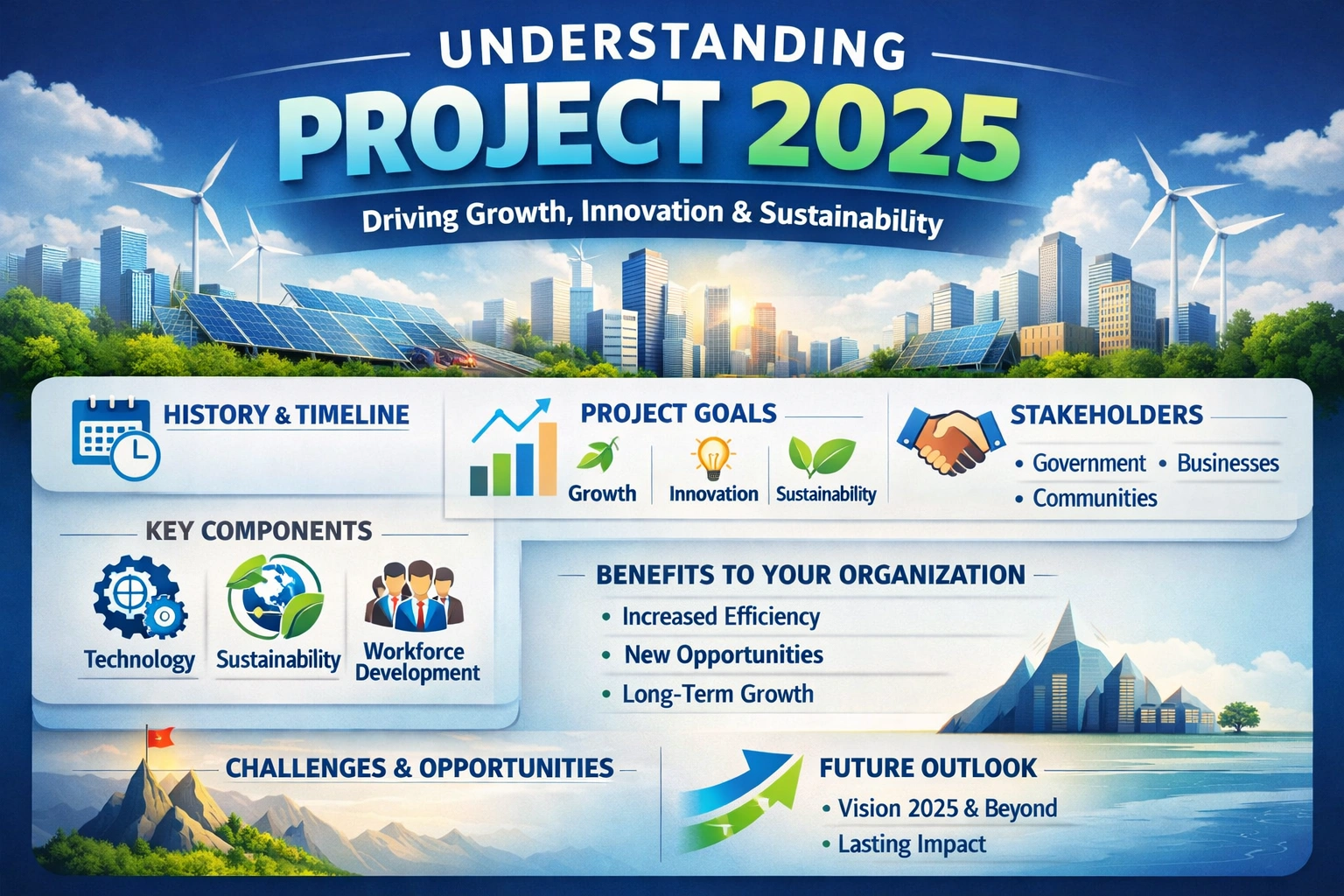
What is Project 2025
As you consider your organization's strategy for the next few years, you may have come across Project 2025, a comprehensive initiative aimed at driving growth, innovation, and sustainability. You might be wondering what this project entails, how it can benefit your organization, and what steps you...
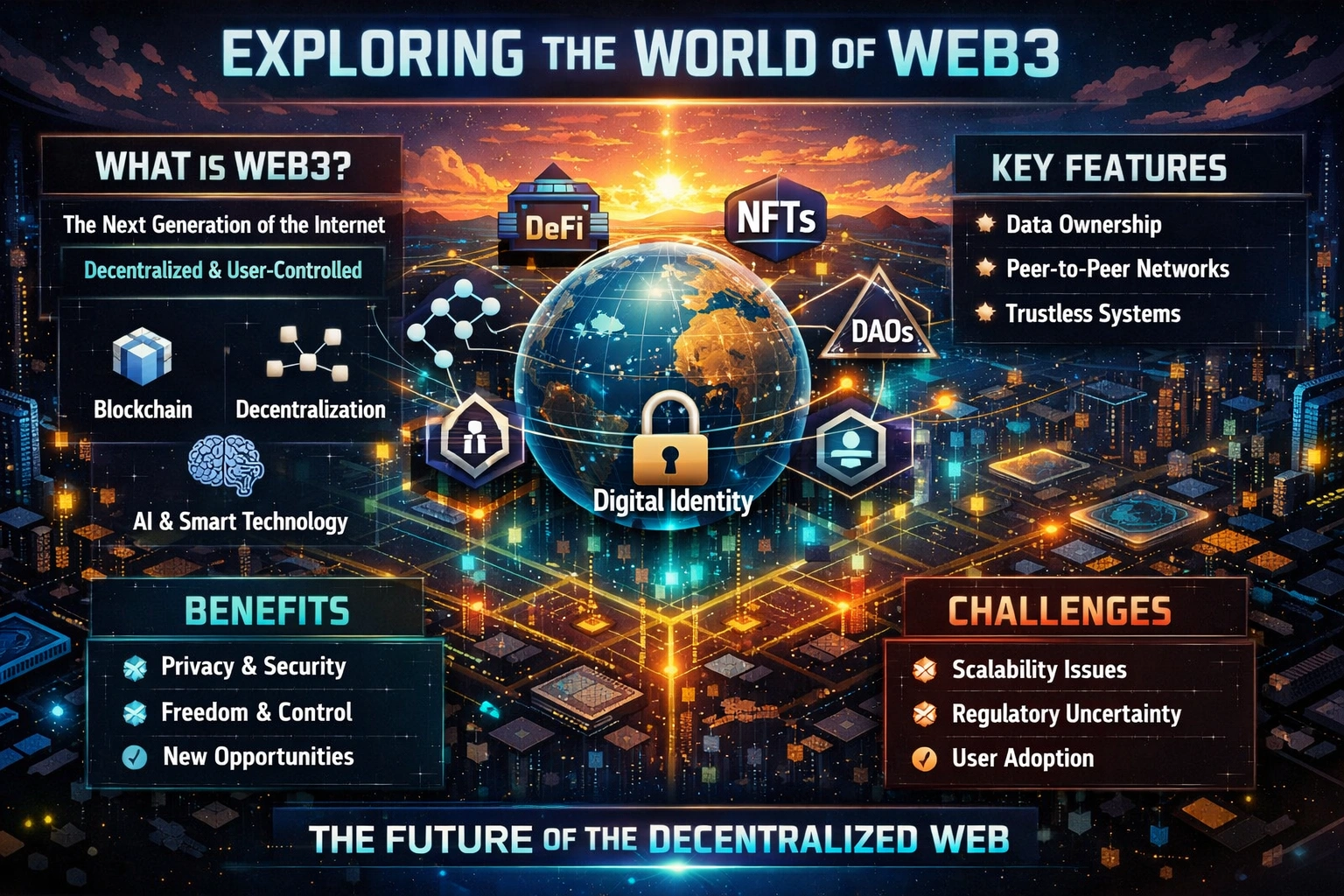
What is Web3
Imagine a version of the internet where you have complete control over your personal data, and you're not at the mercy of giant corporations. Sounds like a utopia, right? Well, this is exactly what Web3 promises to deliver. As you read this, you might be wondering what Web3 is and how it's going t...