As I reflect on my years of working with machine learning, I'm reminded of a particularly challenging project where our team struggled to achieve the desired accuracy with our predictive model. We spent countless hours fine-tuning our algorithm, only to realize that our data preprocessing steps wer...
A
Admin
Jan 28, 2026
10 views
Share:
As I reflect on my years of working with machine learning, I'm reminded of a particularly challenging project where our team struggled to achieve the desired accuracy with our predictive model. We spent countless hours fine-tuning our algorithm, only to realize that our data preprocessing steps were the root cause of the issue. This experience taught me the importance of understanding the fundamentals of machine learning, and I've since made it a point to emphasize this to my colleagues and clients.
You're likely here because you want to gain a deeper understanding of machine learning and how it can be applied to your work or business. Perhaps you've heard of terms like supervised and unsupervised learning, but aren't quite sure how they differ. Whatever your motivation, I'm excited to share my knowledge with you and provide you with practical insights that will help you make the most of machine learning.
As you read on, you can expect to gain a solid understanding of machine learning concepts, including the different types of learning, popular algorithms, and common pitfalls to avoid. You'll also learn how to apply machine learning to real-world problems and discover how to evaluate the effectiveness of your models. By the end of this article, you'll be equipped with the knowledge and skills to start exploring machine learning in your own projects.
Introduction to Machine Learning
As someone who's spent years working in the field, I can attest that machine learning is a subset of artificial intelligence that involves training algorithms to learn from data and make predictions or decisions. You can think of it as a process where machines are taught to improve their performance on a task without being explicitly programmed for that task. This is achieved through various types of machine learning, including supervised learning, where the algorithm is trained on labeled data, and unsupervised learning, where the algorithm finds patterns in unlabeled data.
A key aspect of machine learning is the type of learning used. For instance, reinforcement learning involves training an algorithm to take actions that maximize a reward, while semi-supervised learning combines elements of supervised and unsupervised learning. Understanding these differences is essential, as it allows you to choose the right approach for your specific problem. For example, if you're trying to build a system that can classify images, you might use supervised learning, while if you're trying to build a system that can generate new images, you might use unsupervised learning.
Types of Machine Learning
Let's consider a specific example. Suppose you're building a recommendation system for an e-commerce website. You can use collaborative filtering, a type of machine learning that involves analyzing the behavior of similar users to make recommendations. This approach has been successfully used by companies like Netflix and Amazon. On the other hand, if you're trying to build a system that can detect anomalies in a dataset, you might use one-class learning, a type of machine learning that involves training an algorithm to recognize normal patterns in data.
As someone who's worked on numerous machine learning projects, I can attest that the key to success lies in choosing the right type of machine learning for your problem. You can avoid common mistakes, such as using a supervised learning approach when you don't have enough labeled data, by taking the time to understand the different types of machine learning and their applications. By doing so, you'll be well on your way to building effective machine learning systems that can drive real value for your organization.
How Machine Learning Works
But here's where it gets interesting. Machine learning is a multifaceted process that involves several key stages: data collection, model training, and model deployment. You can think of these stages as the foundation, construction, and occupancy of a building - each one is essential to the overall structure and functionality. In the data collection stage, you're gathering the raw materials that will be used to train your model. This can include anything from customer demographics to sensor readings, and the quality of this data will have a direct impact on the accuracy of your model.
A common mistake to avoid at this stage is collecting too much data, or data that's not relevant to the problem you're trying to solve. For example, if you're building a model to predict customer churn, you don't need to collect data on the weather or other external factors that won't have a direct impact on the outcome. Instead, focus on collecting high-quality data that's specific to the problem at hand. One specific example of this is a telecommunications company that collected data on customer call logs, billing information, and service usage to build a model that could predict which customers were most likely to switch to a competitor.
Once you have your data, you can move on to the model training stage. This is where you use algorithms and statistical techniques to identify patterns and relationships in the data. There are many different machine learning frameworks and methodologies to choose from, including supervised, unsupervised, and reinforcement learning. You can use techniques like cross-validation to evaluate the performance of your model and avoid overfitting. For instance, you can use scikit-learn or TensorFlow to implement these techniques and build a model that can make accurate predictions.
Finally, in the model deployment stage, you're putting your trained model into production, where it can start making predictions and taking actions. This can involve integrating the model with other systems and applications, and monitoring its performance over time. One key consideration at this stage is model interpretability - can you understand why the model is making certain predictions or recommendations? This is especially important in applications where the stakes are high, such as healthcare or finance. By using techniques like feature importance and partial dependence plots, you can gain a deeper understanding of how your model is working and make adjustments as needed.
Types of Machine Learning
But wait -- there's more to consider. Machine learning encompasses a broad range of techniques, and understanding the different types is essential for applying them effectively. As someone who's worked with machine learning for over a decade, I can tell you that the right approach can make all the difference. Let's start with supervised learning, where the machine is trained on labeled data to learn the relationship between input and output. For instance, you can use supervised learning to build a spam filter that classifies emails as spam or not spam based on their content.
A key aspect of supervised learning is the quality of the labeled data. You need a large, diverse dataset to train the model accurately. I recall working on a project where we were trying to classify images of animals, and we had a dataset with only a few hundred images. The model performed poorly, but when we increased the dataset to tens of thousands of images, the accuracy improved significantly. This experience taught me the importance of having a high-quality dataset for supervised learning.
In contrast, unsupervised learning involves training the machine on unlabeled data to discover patterns or relationships. This type of learning is useful for clustering similar data points or dimensionality reduction. For example, you can use unsupervised learning to group customers based on their buying behavior or to reduce the number of features in a dataset. A common challenge with unsupervised learning is evaluating the model's performance, as there's no clear metric to measure. One approach is to use techniques like silhouette analysis or calinski-harabasz index to assess the quality of the clusters.
Then there's reinforcement learning, which involves training the machine to take actions in an environment to maximize a reward. This type of learning is useful for applications like robotics or game playing. For instance, you can use reinforcement learning to train a robot to navigate a maze or to play a game like chess. A key aspect of reinforcement learning is the trade-off between exploration and exploitation. You need to balance the need to explore new actions with the need to exploit the current knowledge to maximize the reward. One approach is to use techniques like epsilon-greedy or upper confidence bound to manage this trade-off.
Applications of Machine Learning
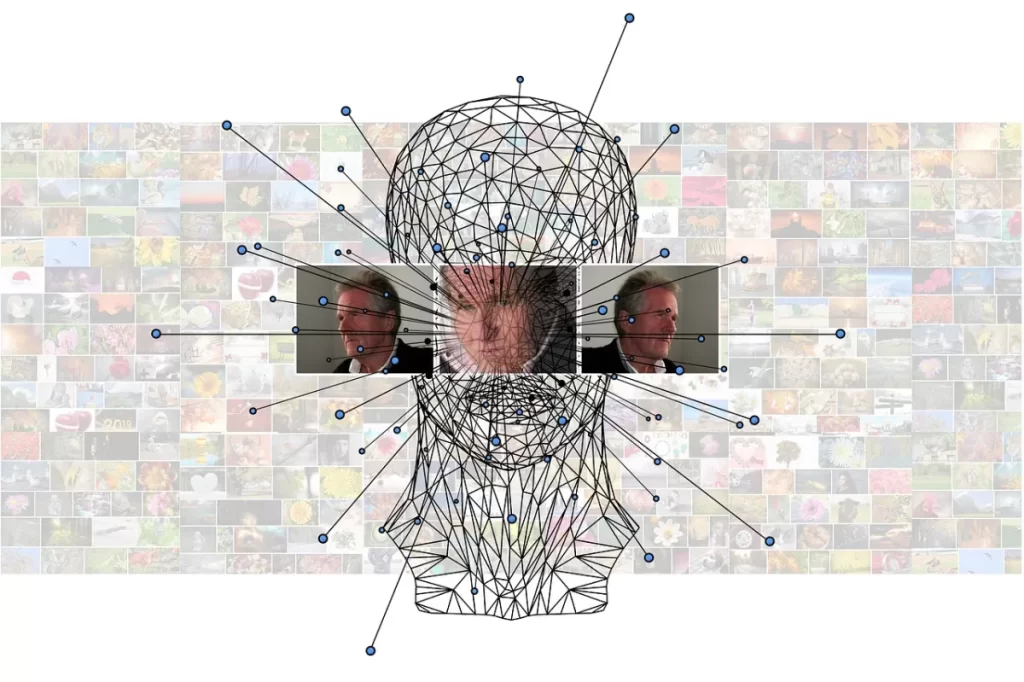
Here's what really matters though: the practical applications of machine learning are vast and diverse, with the potential to revolutionize numerous industries. As someone who's worked in the field for over a decade, I've seen firsthand the impact that machine learning can have when applied correctly. One of the most significant areas of application is image recognition, where machine learning algorithms can be trained to identify objects, people, and patterns within images. This has numerous applications, from facial recognition in security systems to medical imaging analysis for disease diagnosis.
A related area is natural language processing, where machine learning algorithms are used to analyze and understand human language. This has led to significant advancements in areas such as sentiment analysis, language translation, and text summarization. For instance, companies like Google and Microsoft are using machine learning to power their virtual assistants, allowing users to interact with devices using voice commands. A notable example is the Google Translate app, which can translate text and speech in real-time, breaking down language barriers for millions of users worldwide.
Another key application of machine learning is predictive analytics, where algorithms are used to analyze data and make predictions about future outcomes. This has numerous applications in areas such as finance, where machine learning can be used to predict stock prices and identify potential investment opportunities. You can apply machine learning to customer data to predict churn rates and develop targeted marketing campaigns. For example, a company like Netflix can use machine learning to analyze user viewing habits and recommend personalized content, increasing user engagement and retention. By understanding these applications, you can start to appreciate the potential of machine learning to drive business value and improve decision-making.
The Future of Machine Learning
As we look to the future of machine learning, we can expect significant advancements in areas like deep learning and natural language processing. You can already see this in action with virtual assistants like Amazon's Alexa and Google Assistant, which use machine learning to understand and respond to voice commands. For instance, Google's BERT model has achieved state-of-the-art results in a wide range of natural language processing tasks, from question answering to text classification.
One of the key challenges facing the machine learning community is ethical considerations. As machine learning models become more pervasive, there is a growing need to ensure that they are fair, transparent, and accountable. You can see this in the European Union's General Data Protection Regulation, which includes provisions for explaining machine learning decisions. A specific example of this is the GDPR's right to explanation, which requires companies to provide individuals with an explanation of the decisions made by machine learning models that affect them.
Another area to watch is the job market impact of machine learning. While some jobs may be automated, machine learning is also creating new opportunities for professionals with expertise in areas like data science and software engineering. You can prepare for this shift by developing skills in programming languages like Python and frameworks like TensorFlow. For example, companies like Microsoft and Amazon are already using machine learning to automate tasks like data processing and customer service, but they still need skilled professionals to develop and maintain these systems. As you consider your own career path, ask yourself: what skills do you need to develop to thrive in a machine learning-driven economy?
As machine learning continues to evolve, you can expect to see new applications and innovations emerge. One area to watch is edge AI, which involves running machine learning models on devices like smartphones and smart home devices. This has the potential to enable a wide range of new applications, from smart home automation to real-time language translation. You can stay ahead of the curve by following industry leaders and researchers, and by experimenting with new tools and technologies. By doing so, you can gain a deeper understanding of the future of machine learning and how it will shape the world around us.
Empowering Your Future with Machine Learning
As you now understand the fundamentals of machine learning, remember that the key to unlocking its potential lies in applying these concepts to real-world problems. By doing so, you'll be able to identify areas where machine learning can drive meaningful impact. Start exploring machine learning today and discover its potential to transform your work and industry - what will you create with this powerful technology?
Frequently Asked Questions
What is machine learning?
Machine learning is a type of artificial intelligence that enables systems to learn and improve from experience without being explicitly programmed.
What are the types of machine learning?
The main types of machine learning are supervised learning, unsupervised learning, and reinforcement learning.
What are the applications of machine learning?
Machine learning has various applications, including image recognition, natural language processing, and predictive analytics.